Television hosts Adrienne Lau and Brian Cheng offered viewers a rare glimpse inside the ultra-exclusive world of Beverly Hills luxury and high-end consumerism on their travel reality program, Luxury Life. The recent episode featured a detailed tour of a $35 million (approximately HK$270 million) estate in the prime California location, followed by an exploration of what is often dubbed the world’s most expensive supermarket, highlighting the staggering costs associated with elite living.
Inside the $35 Million ‘Incredible’ Estate
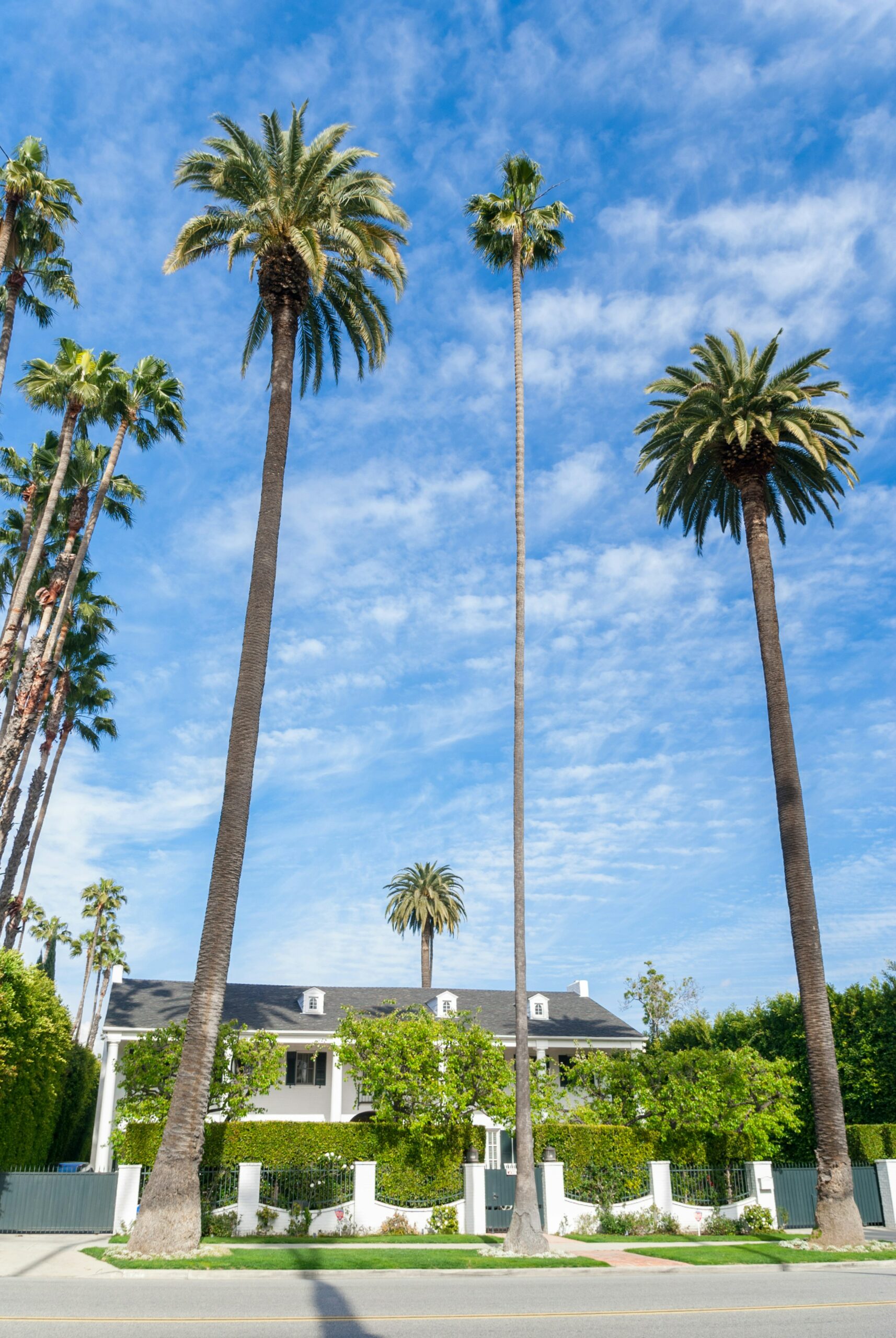
The centerpiece of the tour was the sprawling Beverly Hills mansion, described as “incredible” by top real estate agent Jessica who curated the viewing. The property epitomizes top-tier luxury, boasting bespoke design elements and unparalleled amenities.
Cheng noted that while he had seen many luxurious homes, this one stood out as a premier entertainment venue. “It feels like a place built for hosting the grandest parties,” he remarked, adding that the home’s interior felt akin to stepping into a high-fashion boutique, complete with a distinctive, luxurious scent. Lau echoed the sentiment, categorizing the property as “Hi-End luxury.”
A cornerstone of the home’s extravagant design is the kitchen, outfitted by the renowned Italian luxury house Fendi. Every cupboard handle features the iconic Fendi logo, underscoring the level of detail and expense poured into the estate. Beyond standard amenities like swimming pools, the mansion houses serious recreational features, including three linked racing simulators, a state-of-the-art gym, a sauna, and an extensive garage filled with luxury automobiles such as Ferraris and Porsches. The infrastructure allows the homeowner to remain fully entertained and serviced without ever needing to leave the premises.
The “Grocery Store Hermès” Pricing Shock
Continuing their immersion into elite life, the hosts visited a renowned local supermarket often benchmarked as the most expensive grocery store globally, an establishment dubbed the “Hermès of Supermarkets.” This retail outlet caters almost exclusively to the area’s affluent clientele—including high-profile celebrities, billionaires, and political figures—for whom convenience takes precedence over cost.
The hosts documented the jaw-dropping price points. A single bottle of water was priced at $26 (around HK$200), and a small bag of eight pre-made cocktail ice spheres cost nearly $30 (about HK$230).
Cheng expressed amazement at the dramatic disconnect between price and product necessity. “They sell basic commodities, things you can find elsewhere for a tenth of the price,” he stated, recounting items marked at astronomical levels that he found almost unbelievable, “but people genuinely buy them.” He surmised that for Beverly Hills residents, the convenience and exclusivity of the store render price tags irrelevant.
Vegas: Pool Parties and VIP Access
The luxury tour continued in Las Vegas, showcasing the city’s opulent day life and exclusive nightlife. Lau and Cheng attended a notorious daytime pool party, known for its world-class, and world-priced, bottle service. Reserving a table at such events typically requires a minimum spend ranging from $3,000 to $50,000 (roughly HK$23,000 to HK$390,000), cementing their status as events reserved for the global elite.
Moving into the evening, the hosts navigated the city’s famed club scene. When faced with long queues outside a top venue, Lau confidently assured Cheng they would bypass the wait. “You don’t have to worry about lining up,” she stated, noting that in her experience, access to top-tier nightclubs has always been immediate and direct, reflecting the power of network and status in these exclusive environments.
This reality program serves as a vivid illustration of the economic chasm existing in major global wealth hubs—where convenience, brand prestige, and immediate access justify commodity prices that often defy conventional economic rationality.