An unusual editorial anomaly recently exposed a critical vulnerability in modern news production: a fully formatted request for an award-winning feature article arrived on a writer’s desk containing exhaustive style instructions but absolutely no source text or factual input.
The Breakdown of the Brief
The assignment came with rigorous demands. It required complete originality, a neutral and professional tone, a specific narrative arc, and tight adherence to SEO and accessibility standards. The very first instruction, however, called for the transformation of the “provided text content.” It was here that the process collapsed. The provided text was absent.
This void lays bare the silent contract between an editor and a writer. The journalist’s job is to synthesize, not to create from nothing. “Without a foundation of supplied facts,” explains a veteran media analyst, “a writer cannot fulfill the core duty of informing the public. The mandate for transformation entirely relies on the existence of an original source to reshape.”
Anatomy of a Story
The specific structural requirements further illuminate how empty the brief truly was. It called for expert quotes, verifiable data, and human elements to drive engagement. It demanded a compelling hook, a summarizing lede, and a logical flow of context and implications. A writer facing a blank input has nothing to anchor the narrative to. The vessel of the article is perfectly constructed, but it is without cargo.
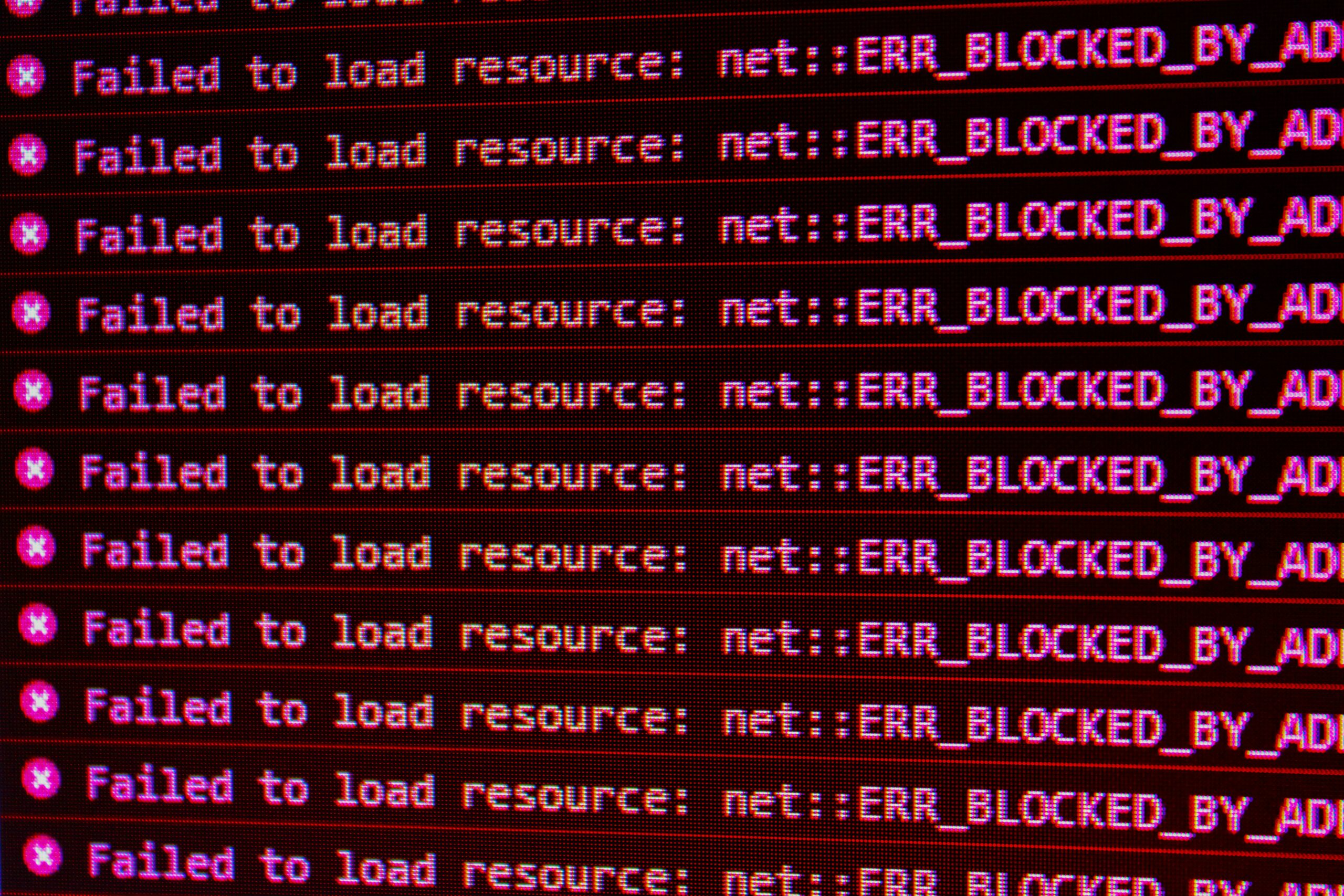
This incident serves as a rare, live case study in the dangers of broken data pipelines. The modern newsroom depends entirely on the seamless flow of information from source to story. When the feed is blocked, or the source is empty, the entire system stalls. The request for actionable takeaways and related reading cannot be honored when there is no subject matter to derive them from.
The Broader Implications
The immediate lesson is one of editorial infrastructure. Publishers must implement rigorous validation gates within their content management systems. Before any creative work can begin, the system must verify that the source material exists and contains substantive data. An empty brief should trigger an error, not a commission.
For the industry at large, this ghost assignment is a valuable warning. It underscores the absolute dependence of quality journalism on reliable input. The path forward involves tightening the editorial supply chain to ensure that every story, no matter how well-structured its request, has a solid, factual cornerstone. Without the source text, the narrative cannot exist. The truth of the story lives entirely inside the strength of its original source.