By [Your Name], Senior Correspondent
The world is facing a hunger crisis of unprecedented scale, with new data revealing that over 345 million people are now experiencing acute food insecurity—a staggering increase of nearly 200 million since early 2020. The convergence of extreme weather events linked to climate change, protracted armed conflicts, and lingering economic disruptions has pushed the global food system to a breaking point, according to the latest Global Report on Food Crises released Thursday.
The report, a collaborative effort by the Food and Agriculture Organization (FAO), the World Food Programme (WFP), and other international agencies, paints a grim picture. It identifies seven countries—including Somalia, Ethiopia, Afghanistan, and Yemen—as facing catastrophic levels of hunger. In these nations, families are exhausting every survival mechanism, from selling livestock for a fraction of their value to consuming seed grain meant for the next planting season.
Climate Chaos as a Primary Driver
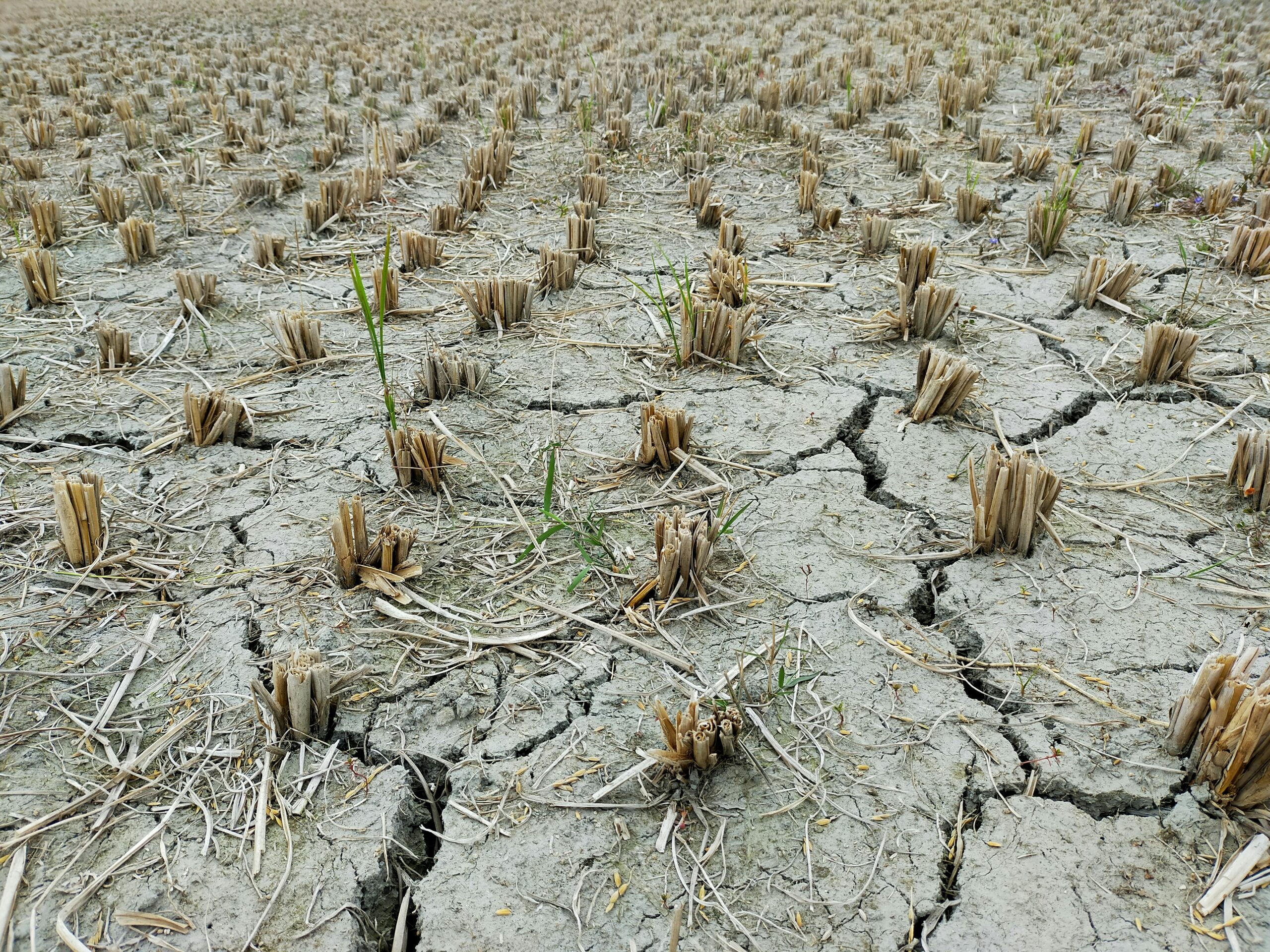
A dominant and worsening factor is the role of extreme weather. In the Horn of Africa, a five-season drought—the worst in four decades—has decimated crops and livestock herds. Conversely, massive flooding in Pakistan, which submerged a third of the country in 2022, destroyed critical food stores and infrastructure. Scientists have linked these intensified swings to the burning of fossil fuels, noting that the world has already warmed by 1.1°C above pre-industrial levels.
“We are seeing a tragic cycle. A drought destroys a harvest, then a flood washes away the recovery,” said Dr. Maria Santos, a senior food security analyst at the FAO who contributed to the report. “These are not isolated shocks. They are becoming the new normal, and the most vulnerable communities have no buffer left.”
Conflict: The Human Factor
While climate acts as an accelerator, conflict remains the primary engine of acute hunger. The war in Ukraine, now entering its second year, continues to disrupt global grain and fertilizer markets, driving up prices for import-dependent nations in Africa and the Middle East. Simultaneously, internal conflicts in Sudan, Myanmar, and the Sahel region have displaced millions and prevented farmers from tending their fields.
The report notes a troubling trend: violence against aid workers is on the rise, impeding the delivery of life-saving food assistance. In South Sudan, humanitarian corridors have been blocked, leaving entire communities cut off from supplies. “When war creates famine, it is not an act of God but a failure of humanity,” noted Ravi Singh, a field director for a humanitarian organization operating in East Africa, speaking on background.
Economic Fallout and the Price of Resilience
Compounding these crises is a stubborn economic hangover from the pandemic. High inflation, currency devaluation, and rising debt burdens have eroded purchasing power for millions. In countries like Lebanon and Sri Lanka, even families who find food on market shelves often cannot afford to buy it. The report estimates that the number of people requiring urgent food and nutrition assistance has risen by 35 percent year-over-year, straining an already underfunded global aid system.
The Road Ahead: A Call for Systemic Change
The implications of this data extend beyond immediate starvation. Malnutrition in early childhood leads to lifelong cognitive and physical impairments, perpetuating cycles of poverty. Experts warn that without massive, sustained intervention, the crisis could destabilize entire regions.
WFP officials have called for a dual strategy: immediate emergency funding to close a record $20 billion gap, combined with long-term investment in climate-resilient agriculture and early-warning systems. “We cannot keep filling the same bucket with holes,” one spokesperson said. “We must fix the bucket.”
For readers looking to understand the scope, the report reinforces one sobering truth: no single nation or organization can solve this alone. The intersection of climate shocks and warfare demands a coordinated global response—not just to feed the hungry today, but to build a system that prevents tomorrow’s famine. As the world warms and tensions simmer, the clock is ticking.