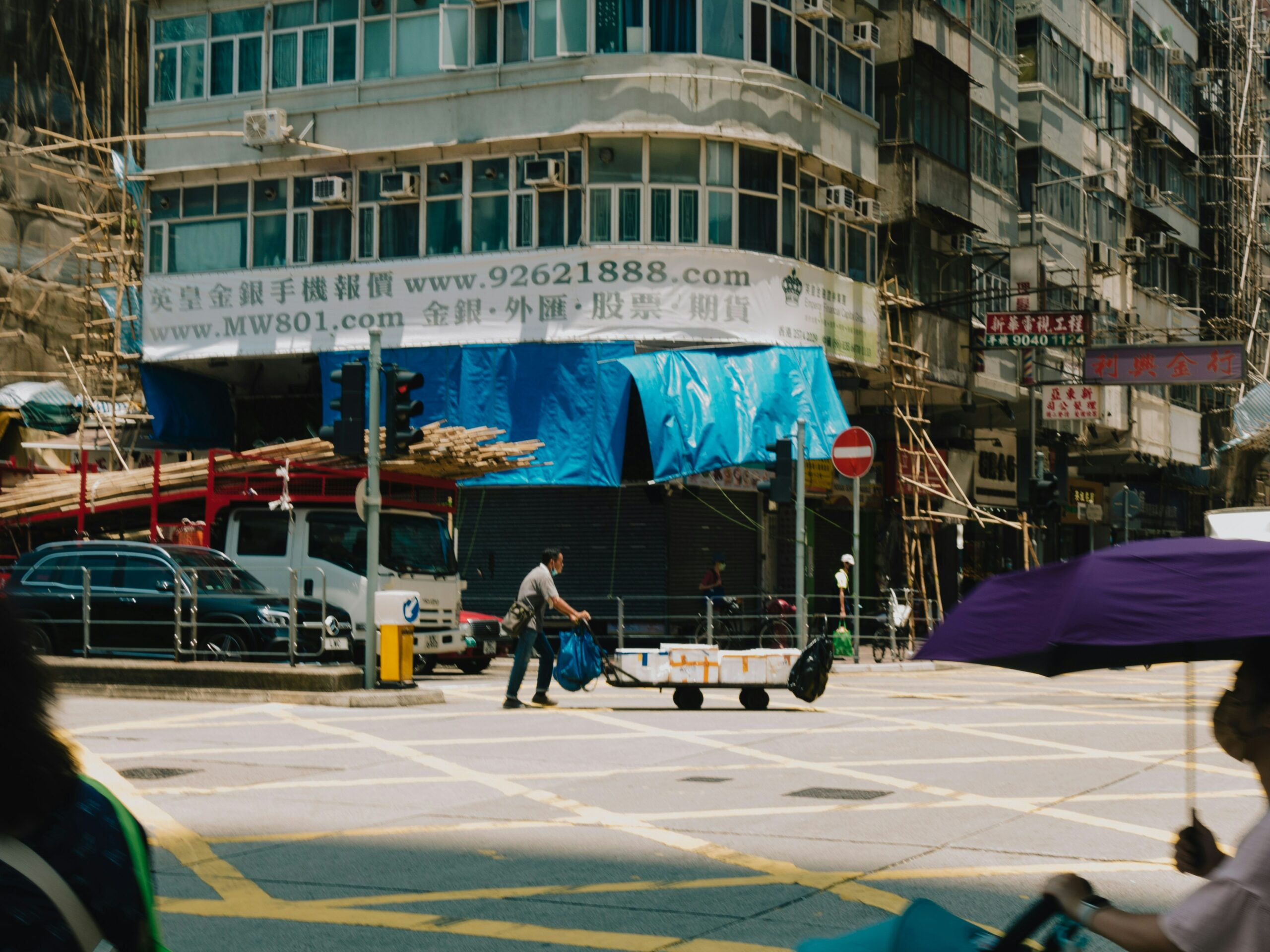
HONG KONG — In a city racing toward the future, a new television episode spotlights the artisans, families, and entrepreneurs preserving traditions that risk being left behind.
The program Hong Kong Series: Small but Mighty, hosted by veteran entertainer Yuen Siu-cheung—affectionately known as “Brother Cheung”—aired its latest installment Thursday, taking viewers on a journey through three distinctive local businesses. The episode visits a half-century-old letterpress printing workshop in Kowloon Bay, a family-run restaurant in Sai Ying Pun infused with a “home-like” atmosphere, and a zero-waste grocery store also tucked away in Kowloon Bay.
Preserving a Dying Craft
Letterpress printing, once the backbone of Hong Kong’s publishing industry, has been largely replaced by digital technology. But inside an industrial building in Kowloon Bay, a workshop dating back more than 50 years refuses to let the craft die.
Brother Cheung met 70-year-old master printer Leung Kwok-hung and his son Jacky, who together operate the facility. The workshop houses several historically significant machines, including a semi-automatic printing press from 1958 manufactured in West Germany and a locally made press that stands as a testament to Hong Kong’s industrial heritage.
Leung demonstrated his lightning-fast speed at hand-setting type characters, leaving the host awestruck. Brother Cheung playfully challenged the veteran to a race—and quickly conceded defeat.
Determined to pass on this intangible cultural heritage, Leung and his son have transformed the printing workshop into an educational workspace and folk museum. They now offer guided tours, allowing younger generations to experience the tactile art of letterpress printing firsthand.
The father-son duo presented Brother Cheung with a personalized type stamp bearing his name. In return, the host gifted them a guest book and became its first contributor, writing: “Letterpress printing—every character is a labor of love! Thank you for safeguarding this intangible cultural heritage, so the next generation can discover this treasure.”
A Daughter’s Dream for Her Father
The second stop brought the host to a cozy restaurant in Sai Ying Pun, run by the Cheung family. Head chef and owner Cheung, a former hotel chef with over 40 years of experience in Chinese cuisine, had long dreamed of opening his own establishment.
His eldest daughter, Wing, worked tirelessly after graduation to save money, eventually proposing that the family pool resources to open the restaurant. It finally debuted in 2018.
Despite Chef Cheung’s extensive background in traditional Chinese cooking, the restaurant’s signature dish is surprisingly unconventional: his own fusion creation, “Pan-Fried Duck Leg with Scallion in Soy Sauce and Handmade Pasta.”
“Hong Kong is a place where East meets West,” Chef Cheung explained. “I wanted to use Western cooking techniques to handle Chinese ingredients.”
Brother Cheung, after tasting the dish, delivered an enthusiastic review: “So fragrant! The duck leg is incredibly tender—it must be slow-cooked.”
Like many traditional fathers, Chef Cheung struggles to express his emotions openly. But during the filming, he seized the opportunity to thank his daughter on camera.
“I want to say thank you to my daughter,” he said, his voice carrying visible emotion. “From the beginning, even before we opened this place—everything she thought about, everything she did—I saw it all. Thank you for your hard work.”
Bare Essentials: The Rise of ‘Naked Shopping’
The final stop brought viewers to a modest, no-frills eco-grocery store in Kowloon Bay that champions “naked buying” —purchasing products without packaging.
Owner Ann previously spent 14 years in the aviation entertainment systems industry before re-evaluating her life’s direction. Six years ago, she decided to open the shop to promote environmental awareness.
The store sells fresh vegetables sourced directly from local farms, unpackaged daily necessities, and even “toothpaste tablets” sold without any wrapping.
Brother Cheung described the product with curiosity: “So every time I brush my teeth, I pop one in my mouth, and as saliva builds up, it slowly dissolves like toothpaste.”
Ann noted that the tablets are particularly popular among campers for their portability. “You can just grab any small container and take them with you,” she said.
Broader Significance
The episode highlights a growing trend across Hong Kong: a renewed appreciation for sustainable living, family bonds, and heritage preservation amid rapid urbanization. As the city evolves, small businesses are finding creative ways to survive—by educating the public, serving fusion cuisine that reflects Hong Kong’s multicultural identity, or reducing waste one toothpaste tablet at a time.
The series continues to air weekly, offering viewers an intimate glimpse into the people and places that make Hong Kong’s local culture resilient, resourceful, and deeply human.