By [Staff Correspondent]
GENEVA — A historic global climate summit convened in Geneva on Monday, bringing together leaders from over 190 nations to finalize binding commitments aimed at curbing greenhouse gas emissions by 2030, as new scientific data warns the planet is approaching irreversible tipping points.
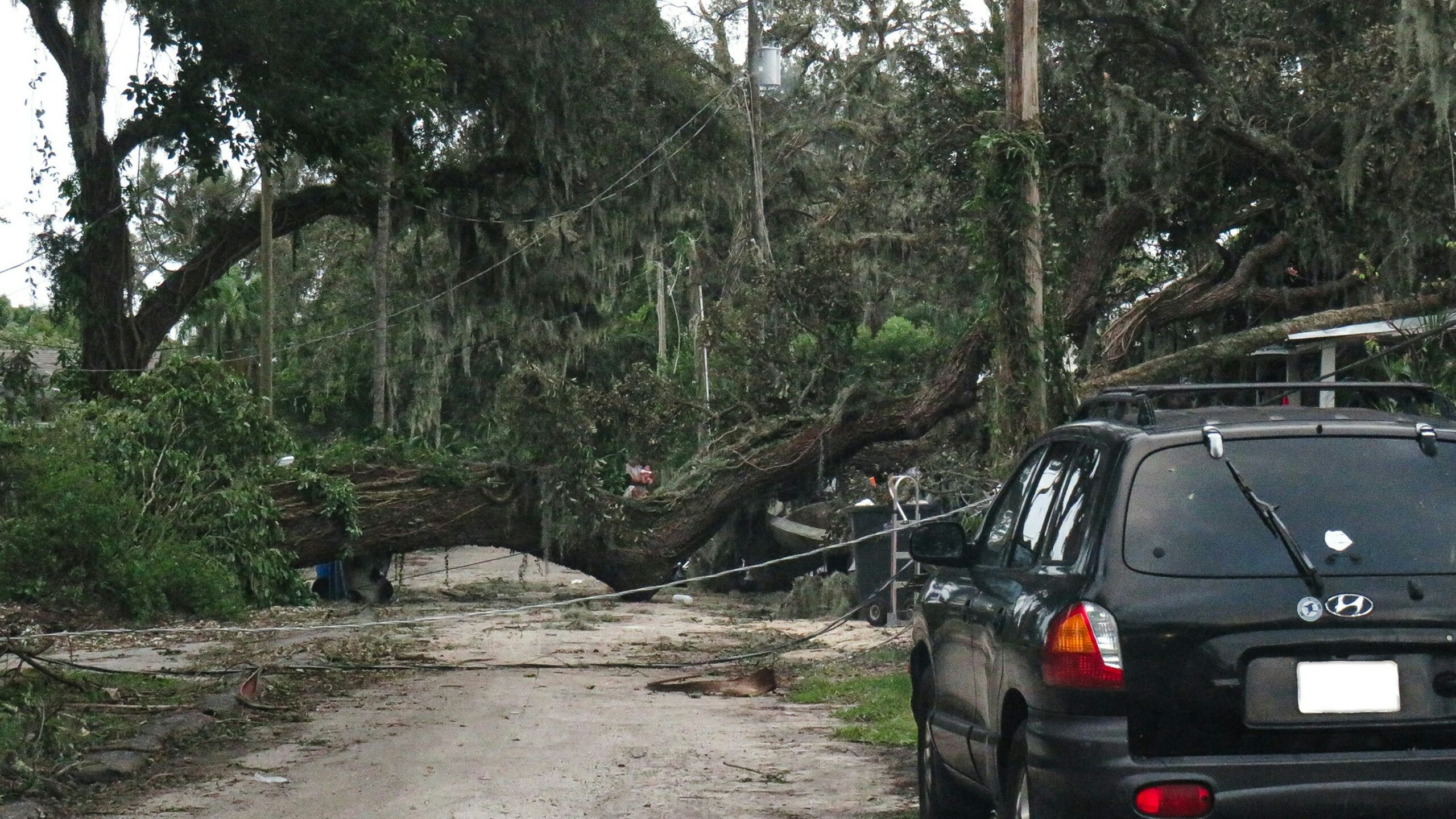
The five-day gathering, formally titled the Geneva Accord on Climate Resilience, marks the first time in a decade that world powers have agreed to negotiate legally enforceable emissions targets. It follows a summer of record-breaking heatwaves, wildfires, and floods across four continents that displaced millions and caused an estimated $200 billion in damages, according to the World Meteorological Organization.
“The science is unequivocal: we are in the final window of opportunity,” said Dr. Anaïs Laurent, the summit’s lead scientific advisor and a Nobel laureate in climate physics. “Without concrete, verifiable cuts of at least 45% from 2019 levels by 2030, we lock in catastrophic sea-level rise and ecosystem collapse.”
Binding Targets and Verification Mechanisms
The centerpiece of the proposed accord is a tiered commitment framework. Wealthy nations—responsible for roughly 70% of cumulative historical emissions—would be required to achieve 60% reductions by 2030, while developing nations target 25% reductions, with financial and technological support from a newly proposed $500 billion climate fund.
Key provisions include:
- Independent annual audits by a new Global Carbon Accountability Agency
- Mandatory phase-out of coal-fired power by 2040 for industrialised nations
- A trade tariff on goods from countries failing to meet reporting standards
“The difference this time is teeth,” said Ambassador Kenji Tanaka of Japan, who chairs the summit’s enforcement committee. “Previous pacts relied on voluntary ambition. Here, non-compliance triggers graduated penalties, including trade restrictions and loss of voting rights in international financial institutions.”
Divisions and Disagreements
Despite the optimistic tone of opening remarks, deep fractures remain. India and China, the world’s two largest current emitters, pushed back against what their delegates called “austerity colonialism,” arguing that historical polluters must bear disproportionate costs. China’s deputy environment minister, Li Wei, stated, “Climate justice cannot force developing nations to choose between poverty reduction and emissions reduction.”
Several African and small-island states have threatened a walkout unless the summit pledges $200 billion annually in “loss and damage” compensation for climate-driven disasters—a demand that has stalled negotiations for three years.
“This is existential for us,” said Prime Minister Aisea Vakauta of Fiji, his voice cracking during a press conference. “While others debate timelines, my country is buying land in Australia to relocate entire communities. We need action now, not by 2030.”
Human Impact Takes Centre Stage
More than 300 civil society representatives were given speaking slots for the first time in the summit’s history. Among them was Fatima al-Hassan, a farmer from drought-stricken Mali, who addressed the plenary wearing a traditional indigo robe. “I have watched my river shrink to a stream,” she said. “The wealthy nations say they will help us adapt. But you cannot adapt to a world without water.”
Her testimony moved several delegates to tears and prompted a spontaneous standing ovation, underscoring the emotional weight of the gathering.
What Happens Next
The summit is scheduled to conclude on Friday with a signing ceremony. However, negotiators acknowledge that major compromises are needed before a final text can be adopted. If no deal is reached, the United Nations has warned that the next meeting—scheduled for 2028—may be too late to prevent global warming from exceeding 1.5°C above pre-industrial levels.
For everyday citizens, the outcome will shape everything from energy bills and food prices to the habitability of coastal regions. Climate experts urge the public to stay engaged by following independent watchdog reports on national commitments and supporting local adaptation projects.
“We are all in the same storm, but not in the same boat,” Dr. Laurent reminded the assembly. “The measure of this summit will be whether the boats in the dock pull together, or let the weakest sink.”