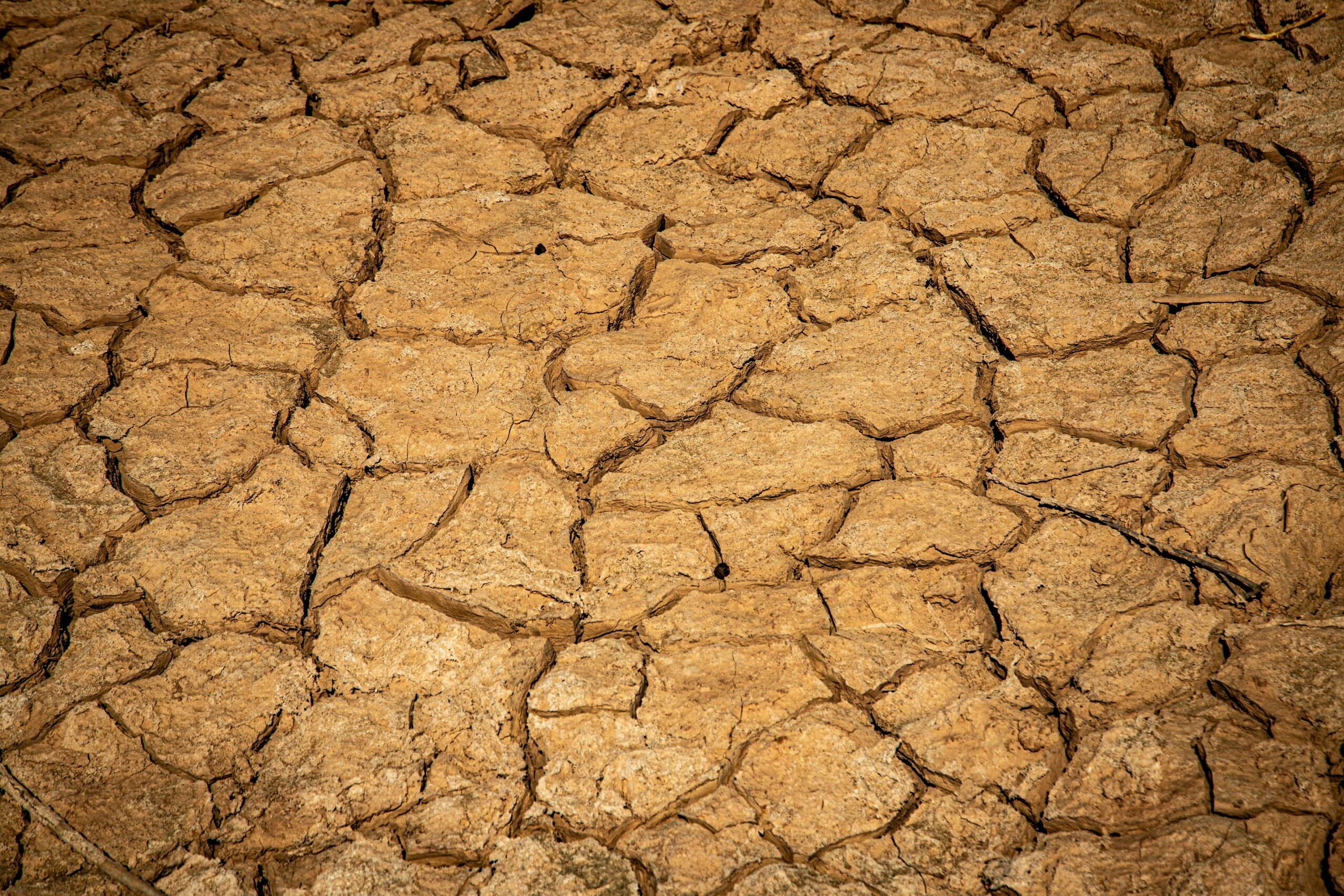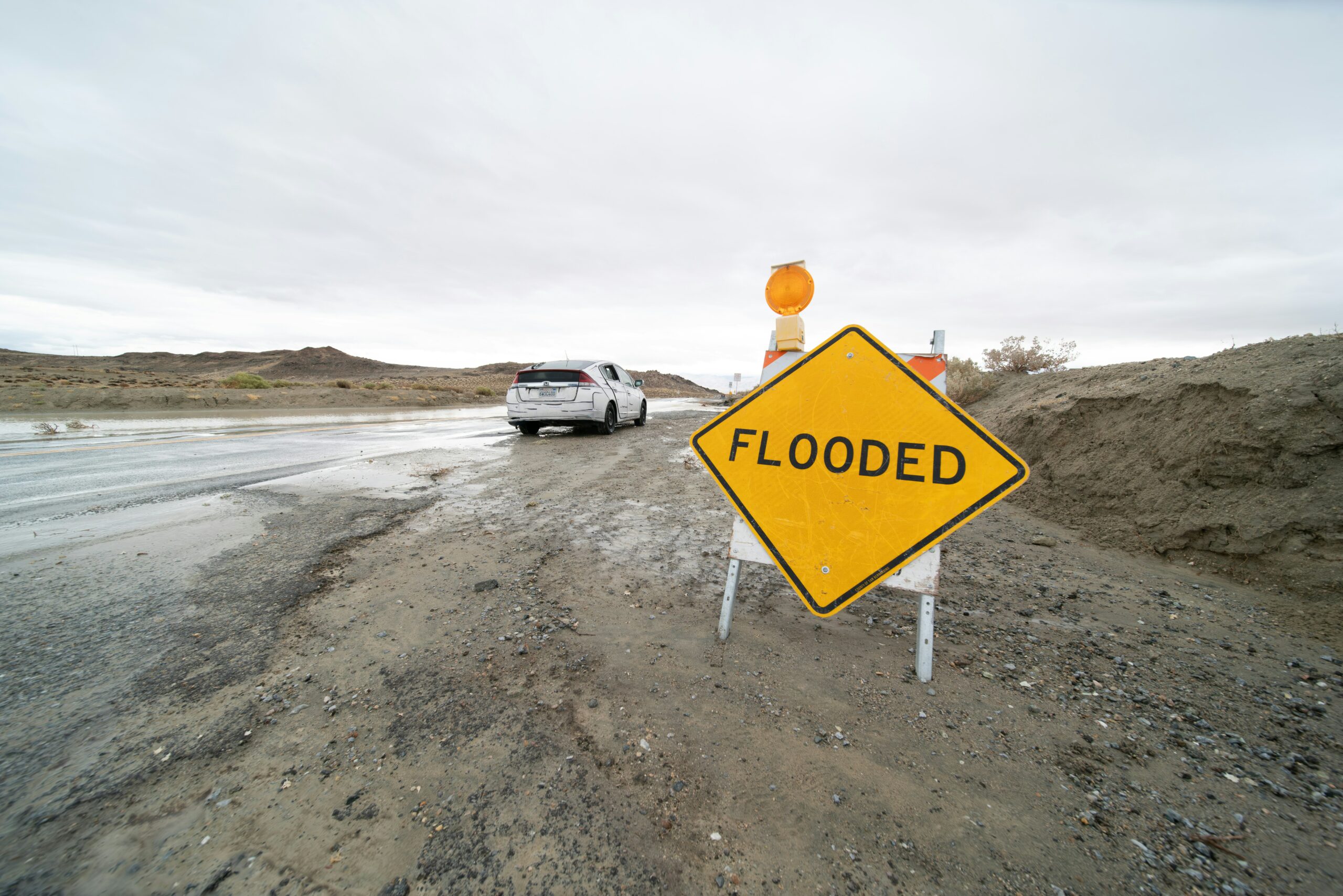
LOS ANGELES, Calif. — When the rains came in February, they did not stop. Over 72 hours, a relentless atmospheric river dumped more than 10 inches of water across Southern California, turning streets into rivers, forcing thousands to evacuate, and killing at least nine people. For residents of the San Fernando Valley neighborhood of Pacoima, the deluge was terrifyingly familiar—yet different. It was not just the volume of water; it was the speed. In a single day, the Pacoima Wash, a concrete-lined flood channel, surged from a dry trickle to a raging torrent, swallowing cars and threatening homes perched on its edge. This is the new reality of climate whiplash: a rapid swing from extreme drought to extreme flood, leaving cities designed for a stable climate to scramble for survival.
Los Angeles has long been a symbol of the arid West, a metropolis built on imported water and engineered flood control. The system of concrete channels and debris basins, constructed after catastrophic floods in the 1930s and 1960s, was designed to handle a predictable, seasonal rain pattern. But climate change has shredded that predictability. According to the National Oceanic and Atmospheric Administration (NOAA), the intensity of extreme precipitation events in California has increased by roughly 20% since the mid-20th century, a trend scientists attribute directly to a warming atmosphere holding more moisture.
The February storm was a textbook example. It followed three years of historic drought that left soils parched and hardened. When the record rain hit, the ground repelled much of it, creating lethal runoff. In the hills above Pacific Palisades, mudslides destroyed multimillion-dollar homes. In downtown Los Angeles, rainfall totals shattered records for the month.
“We are seeing a fundamental shift in the hydrology of the region,” said Dr. Jessica Lundquist, a professor of civil and environmental engineering at the University of Washington. “The engineered systems are operating outside of their intended design parameters. The question is not if they will fail, but how often and how badly.” Her research has documented the growing unpredictability of snowpack melt, a critical water source for the West, and the inability of infrastructure to adapt to rapid-rate runoff.
The human toll is the most immediate metric. The storm destroyed an estimated 150 structures across the state. In the high desert community of Oak Glen, a mudslide buried a family of three alive as they slept. Community organizer Maria Elena Lopez, who runs a local disaster relief network in Pacoima, said the psychological impact is just as severe as the physical damage. “People have trauma,” she told the Los Angeles Times. “They can’t sleep when it rains. They don’t trust the storm drains anymore. They know the next storm could be worse.”
The implications extend far beyond California. NOAA’s State of the Climate report for 2022 indicated that the average annual number of billion-dollar weather disasters in the U.S. has quadrupled since the 1980s. Urban planners across the country—from Houston to Miami to New York—are now grappling with the same dilemma: how to retrofit aging infrastructure for a future where the weather has no memory.
What Can Be Done?
Experts say the solution is not simply bigger pipes or higher walls. It requires a fundamental shift in approach.
- Green infrastructure: Permeable pavements, rain gardens, and restored wetlands can absorb stormwater where it falls, reducing peak flood loads on concrete channels.
- Data-driven warning systems: Advanced precipitation sensors and AI-driven forecasting can give communities hours—instead of minutes—of advanced warning.
- Managed retreat: In some cases, the safest option is to move people and infrastructure out of the floodplain entirely, a politically and emotionally charged proposal.
Los Angeles Mayor Karen Bass has announced a $1.3 billion plan to upgrade stormwater capture systems, aiming to turn a hazard into a resource. The newly captured water, she argues, can help refill depleted groundwater aquifers, making the city more resilient to the next drought. The plan is ambitious, but critics note it will take decades to fully implement. For now, the most pressing reality for millions of Southern Californians is that the next storm—and the next whiplash—may arrive before the sandbags are ever packed away.