By [Staff Writer]
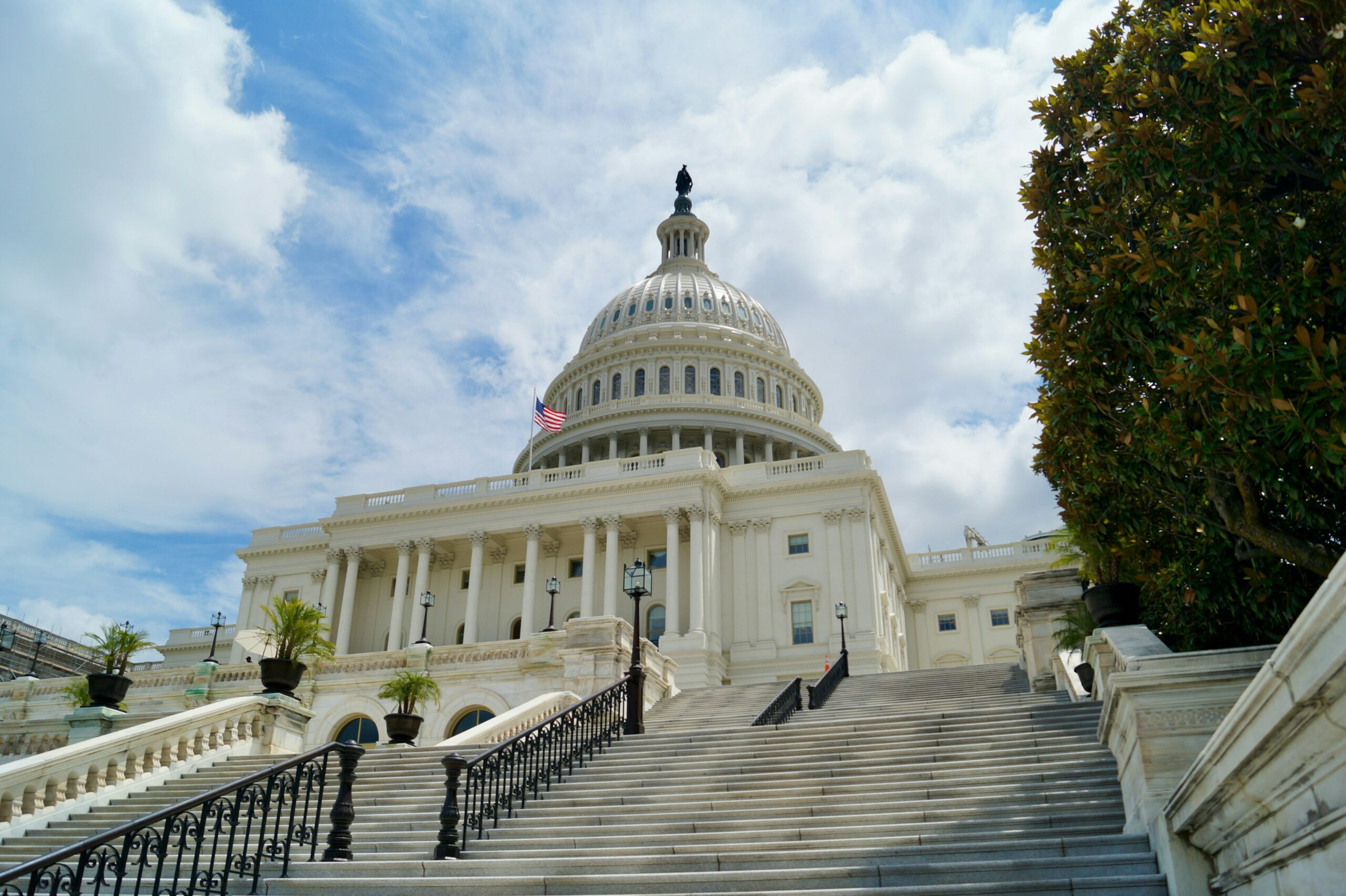
WASHINGTON, D.C. – In the span of a single, chaotic week, the machinery of American governance ground to a near halt, raising urgent questions about whether the nation’s political system is capable of responding to the next major emergency. What began as a routine budgetary standoff spiraled into a constitutional crisis, exposing deep fractures that experts warn could prove catastrophic if tested by a pandemic, a natural disaster, or a foreign attack.
The immediate trigger was a failure to pass a continuing resolution to fund the federal government. With the House of Representatives paralyzed by internal party conflicts and the Senate unable to break a filibuster, the clock struck midnight on Friday without a deal. Non-essential federal services were shuttered, hundreds of thousands of workers were furloughed, and national parks were locked. But this was not a typical shutdown.
Within hours, the standoff escalated into a dispute over the debt ceiling, threatening the full faith and credit of the United States for the first time in over a decade. Treasury Secretary Janet Yellen warned that the United States would face an “unprecedented economic catastrophe” by early June if the borrowing limit was not raised. The unthinkable—a sovereign default—was suddenly a possibility.
“We are witnessing a fundamental breakdown in the ability of the government to perform its most basic functions,” said Dr. Elaine Kamarck, a senior fellow in governance studies at the Brookings Institution. “The tools that were designed to force compromise—the filibuster, the House rules—are now being used to prevent any action at all. This is a political fever, and the patient is running a temperature we haven’t seen since the Civil War.”
The human cost is already mounting.
For Maria Flores, a single mother of two in northern Virginia, the shutdown meant her application for a mortgage modification on her home was frozen. Her husband, a Transportation Security Administration officer, was forced to work without pay. “They tell us it’s just politics,” she said, her voice trembling. “But politics doesn’t tell my landlord why the check is late. Politics doesn’t feed my kids.”
On Wall Street, the anxiety was palpable. The S&P 500 fell by 3% over the week, and the cost of insuring U.S. debt against default spiked to levels not seen since the 2008 financial crisis. Global markets, which rely on the dollar as a reserve currency, began to wobble. The International Monetary Fund issued a rare statement urging immediate resolution, warning of “severe spillovers to the global economy.”
The underlying issue is not a single policy dispute, but a structural erosion of trust. Polls show that only 17% of Americans approve of Congress—a historic low. Gerrymandering has created safe districts where primaries are decided by the most extreme voters. Social media algorithms amplify outrage, rewarding politicians for obstruction rather than compromise.
“The system was designed to be slow, deliberate, and frustrating,” noted Thomas Mann, a scholar of American governance. “It was not designed for total paralysis. We have gone from a system of separated institutions sharing power to a battlefield where the objective is to deny the other side any victory at all. That is not governance; it is scorched earth.”
The immediate next step is a high-stakes meeting at the White House on Monday between President Biden and the four congressional leaders. While a short-term extension of funding is considered possible, a long-term deal on the debt ceiling remains elusive. Republicans demand deep spending cuts; Democrats insist on a “clean” bill without conditions.
As the week closed, a sense of resignation hung over the Capitol. “We’ll kick the can down the road again,” one senior aide admitted, speaking on condition of anonymity. “The problem is, the road is getting very short, and the can is getting very heavy.”
The broader implication is sobering. A superpower that cannot pass a budget or pay its bills is a superpower that cannot project strength abroad or protect its citizens at home. If the next crisis is a hurricane, a cyberattack, or a conflict in the Taiwan Strait, the question is no longer whether Washington will be divided—but whether it will be functional at all.
For further reading, see the Congressional Research Service report on “Responses to Government Shutdowns” and the U.S. Treasury’s “Debt Limit Fact Sheet.”