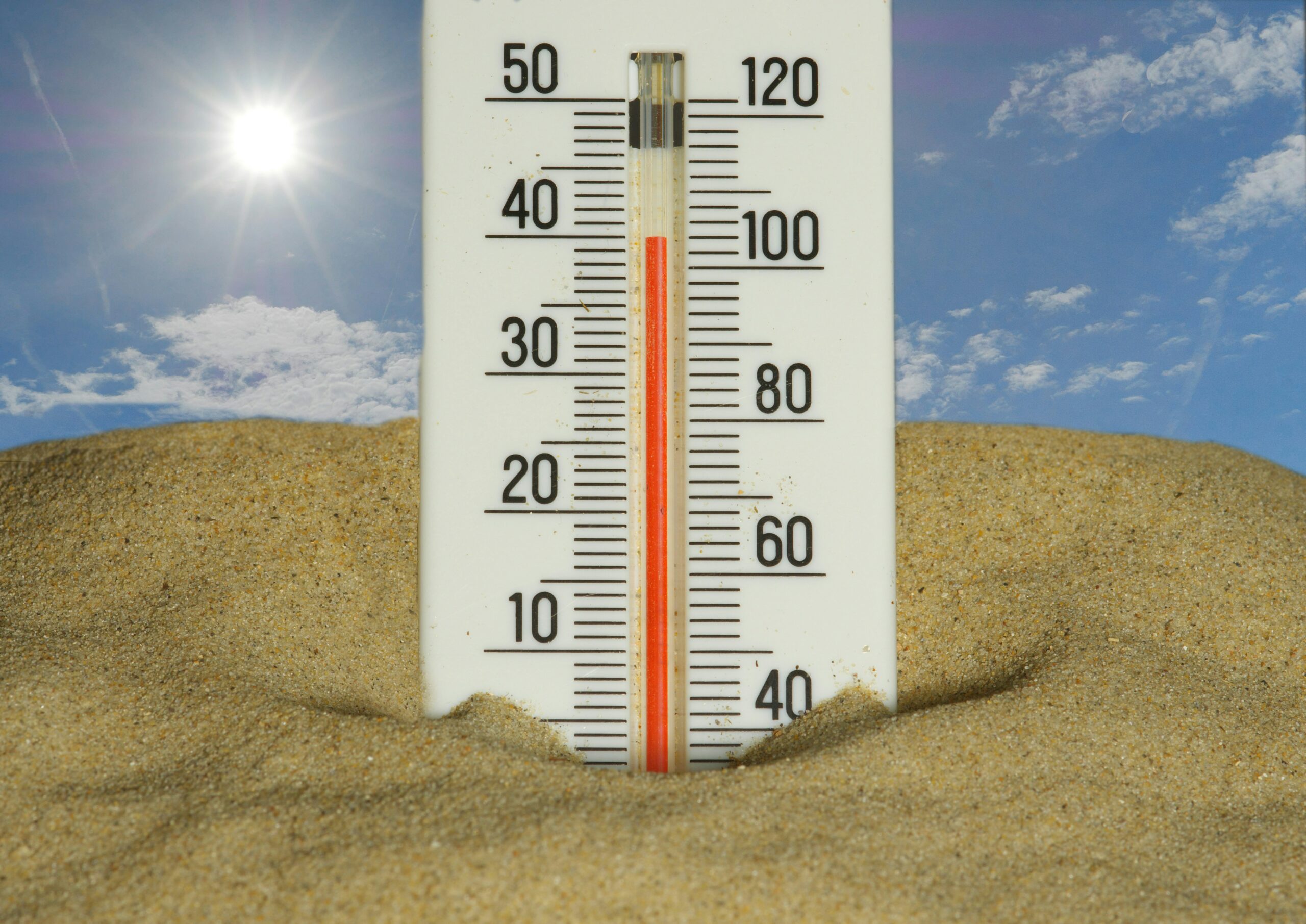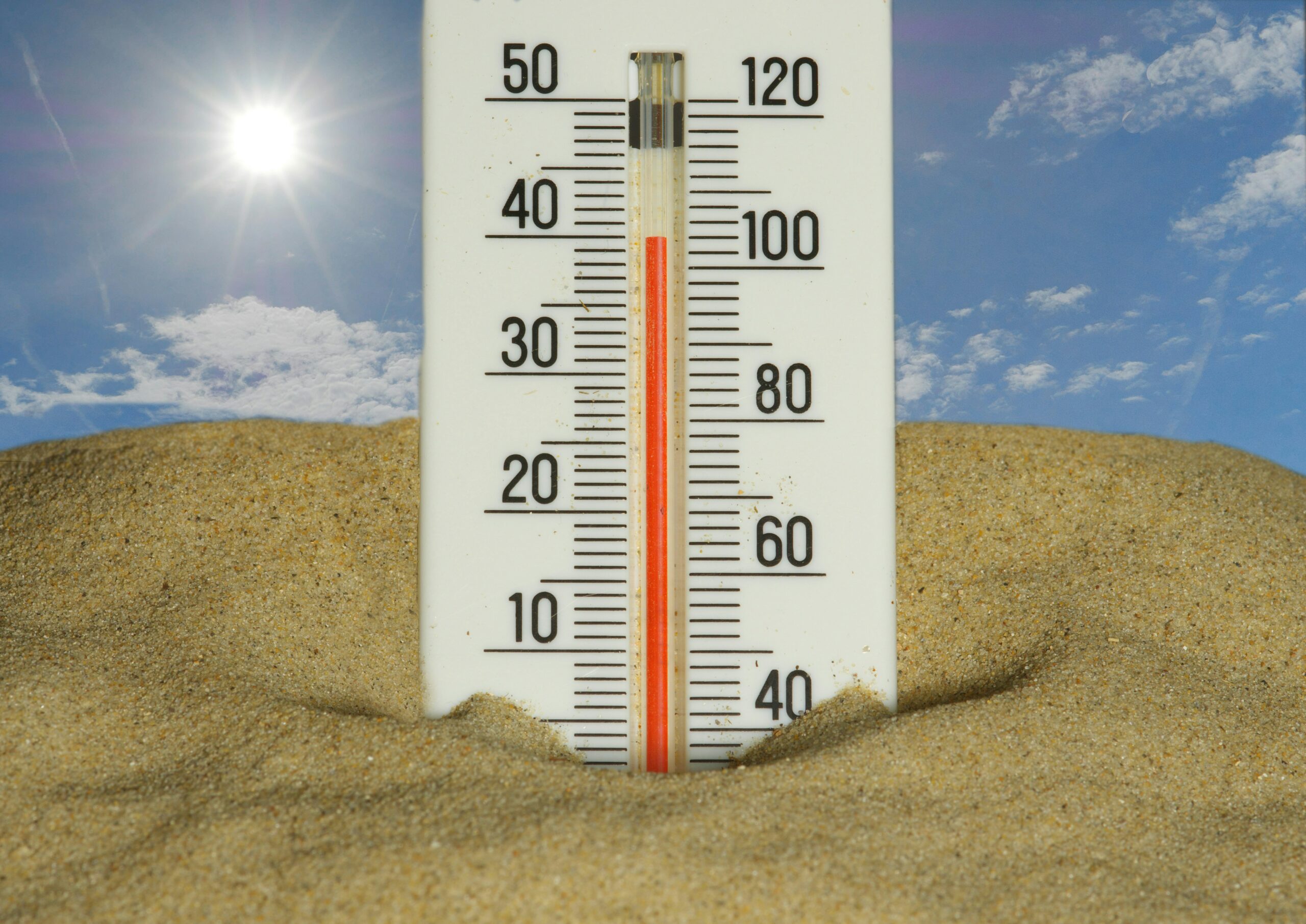
A growing body of evidence from global health researchers suggests that the relentless climb in average temperatures is not just scorching crops and melting ice caps—it is also quietly eroding psychological well-being. A study published last month in The Lancet Planetary Health found that each 1°C increase in monthly temperature above a regional baseline correlated with a 2.2% rise in reported anxiety and depression symptoms across 68 countries, affecting an estimated 1.2 billion people over the past decade.
The Heat–Mind Connection
At the California Climate & Health Institute in Berkeley, psychiatrist Dr. Elena Marquez has treated patients who arrive with no prior history of mood disorders. “They describe a sense of dread that spikes during heatwaves,” she said. “One young teacher told me, ‘The heat feels like a weight pressing on my brain. I can’t think, I can’t sleep, and I start panicking for no reason.’”
Marquez’s experience mirrors larger data sets. A 2023 analysis by the World Health Organization linked extreme heat events to a 15% increase in emergency department visits for acute stress reactions in urban areas from Phoenix to Paris. The mechanisms are both physiological—heat disrupts neurotransmitter regulation and sleep cycles—and psychological: chronic heat can heighten perceptions of danger and helplessness.
Who Is Most Vulnerable?
The burden does not fall equally.
- Outdoor workers: In India, farm laborers exposed to temperatures above 40°C (104°F) for more than four hours a day showed triple the risk of depressive symptoms compared with indoor workers, according to a 2024 study in Environmental Research.
- Elderly residents: People over 65 living in non-air-conditioned homes experience a 12% higher rate of new-onset anxiety during summer months, data from the U.S. National Institute on Aging shows.
- Low-income communities: Neighborhoods lacking green space and shade trees absorb more heat, and residents there report 40% more psychological distress than those in greener areas, per a 2025 report from the Trust for Public Land.
A System Unprepared
Despite the mounting evidence, mental health infrastructure remains largely designed for a stable climate. “We train therapists to help with life events, not systemic environmental change,” noted Dr. Robert K. Chen, a clinical psychologist at the University of Melbourne. “A patient in a heatwave cannot practice cognitive reframing when their bedroom is 38°C at midnight.”
Few countries have incorporated climate risk into mental health planning. A survey by the Global Mental Health Alliance found that only nine of 194 national health ministries had any heat-specific psychological support guidelines as of early 2025. Many emergency protocols still treat heat-related distress as purely physical, leaving emotional symptoms untreated.
Immediate Steps for Individuals
Mental health experts recommend concrete actions that can help mitigate the psychological toll of extreme heat:
- Protect sleep: Use blackout curtains and a fan, even if air conditioning is unavailable. Sleep deprivation is a primary trigger for mood decline.
- Hydrate strategically: Drinking cool water steadily throughout the day helps regulate cortisol levels.
- Limit information overload: Constant updates about heat records can increase anxiety. Designate 10-minute check-ins twice daily rather than perpetual scrolling.
- Create a “cool sanctuary”: Identify the coolest room or public space (library, shopping mall) and spend at least 20 minutes there during peak heat hours.
The Path Forward
Cities are beginning to respond. Athens has appointed a Chief Heat Officer who includes mental health in heat adaptation plans. Medellín, Colombia, has created “green corridors” that reduce local temperatures by up to 3°C; residents there report a 20% improvement in community well-being scores.
Still, experts stress that individual coping strategies cannot replace systemic change. “We need to rethink housing design, urban planning, and health insurance to cover climate-linked psychological care,” Marquez said. “This is not a niche problem—it is the next public health frontier.”
As global temperatures continue to climb, the hidden cost to our minds will only become harder to ignore. Understanding the link is the first step; acting on it is the urgent challenge that follows.