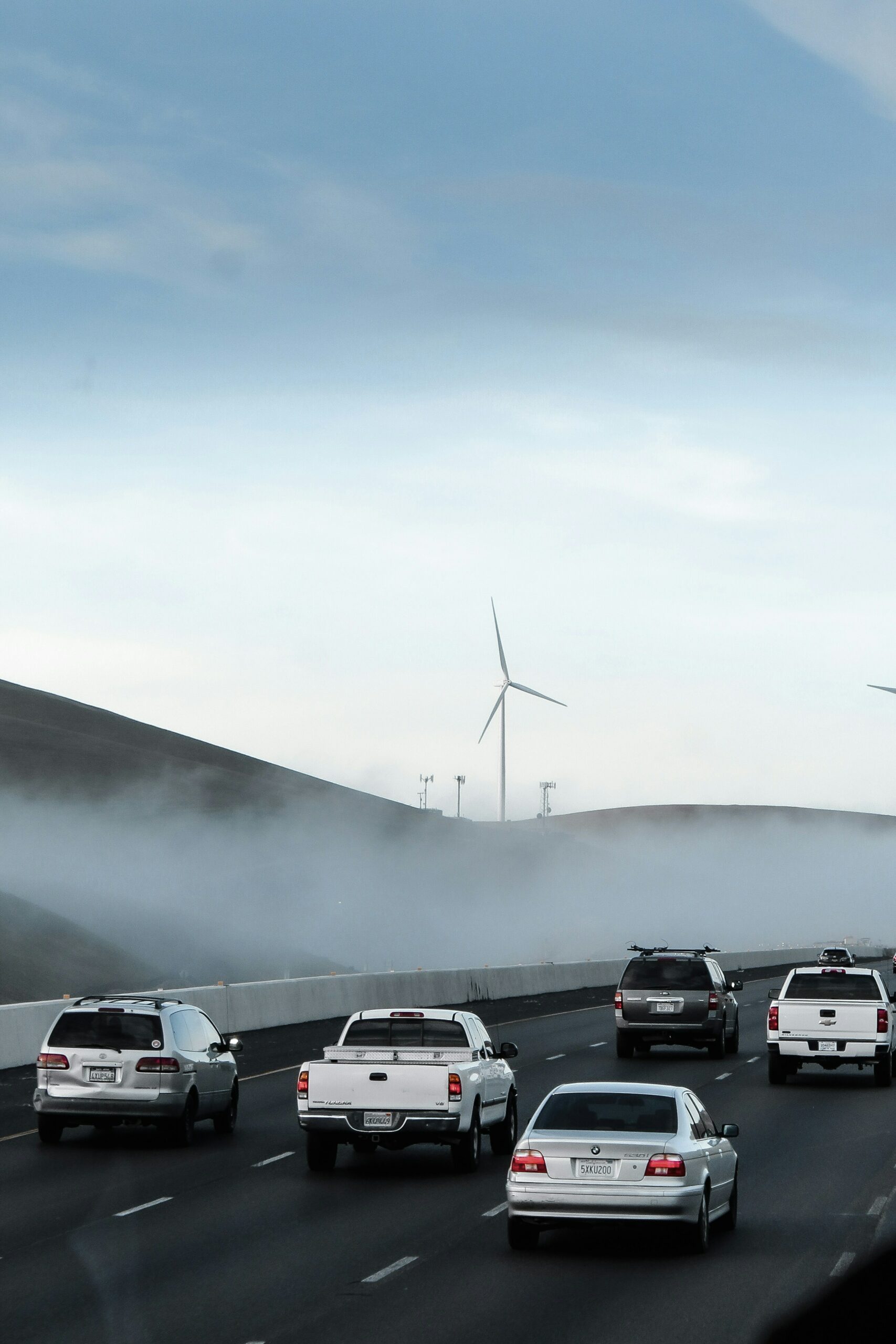
In the span of just 48 hours last month, a stretch of Interstate 95 in central Connecticut buckled like taffy as temperatures plummeted from 27°C to a bitter -12°C. The concrete, designed for a more predictable climate, could not handle the violent swing. This event, while dramatic, is emblematic of a growing phenomenon across the United States: “weather whiplash,” where communities are battered not by a single storm but by rapid, jarring shifts between extreme conditions.
The term, coined by climate scientists at Columbia University, describes a pattern where natural variability is amplified by a warming planet. Data from the National Oceanic and Atmospheric Administration (NOAA) shows that the frequency of these abrupt weather reversals has increased by nearly 40% in the contiguous U.S. since the 1970s. The mechanism is rooted in the altered behavior of the jet stream. As the Arctic warms at roughly four times the global average, the temperature gradient between the poles and the equator weakens. This makes the jet stream slower and wavier, creating deep troughs that bring cold air south and high-pressure ridges that trap heat, often rolling into one another within days.
“We used to design bridges and drainage systems based on the idea that the climate is stationary,” said Dr. Sarah Michaels, a civil engineer at MIT and lead author of a recent study on infrastructure resilience. “That assumption is now dangerously obsolete. We are building for yesterday’s weather.”
The evidence is mounting in real-time. In the Pacific Northwest, the “heat dome” of 2021 melted asphalt and caused power cables to sag, triggering widespread blackouts. Months later, the same region experienced record-breaking floods that washed out mountain highways. In the Midwest, a prolonged drought last summer left the soil hard as brick, only to be followed by torrential rains that had nowhere to soak in, causing flash floods in rural Iowa that destroyed millions of dollars in crops.
The implications are stark for the nation’s crumbling infrastructure. The American Society of Civil Engineers (ASCE) currently gives the country’s infrastructure a grade of C-minus. They estimate that over $2.5 trillion is needed for upgrades over the next decade just to meet current conditions. Whiplash events accelerate the need for investment, as materials—from concrete to steel—experience thermal stress and fatigue cycles they were never designed to endure.
Human cost is equally high. For residents in mobile homes and low-lying areas, these rapid transitions leave little time to prepare. “We survived the heat wave by closing the blinds and running fans,” said Maria Flores of Portland, Oregon, whose home lacked air conditioning. “Two weeks later, we were sandbagging the door against a river that had jumped its bank. We didn’t have a plan because nothing like that was supposed to happen here.”
Looking forward, experts argue for a paradigm shift. The Federal Emergency Management Agency (FEMA) is now revising its flood and heat hazard maps to account for dynamic, non-static risk. On the private level, cities like Boston and Miami are piloting “flexible infrastructure,” including permeable pavements and modular flood barriers that can be deployed based on short-term forecasts.
For the average person, the takeaway is preparedness. Experts recommend maintaining an “emergency supply kit” year-round, not just for hurricane or wildfire season. Key items include:
- A portable power bank (charged weekly).
- Insulated water containers (to prevent freezing in winter, safe storage in heat).
- Layered clothing and a heat-reflective blanket.
The era of predictable seasons is fading. As Dr. Michaels notes, “We are entering a phase where the most dangerous weather event is often the one that comes immediately after the last one.” The challenge now is whether America can adapt its infrastructure and its mindset fast enough to keep pace with a climate that refuses to hold still.