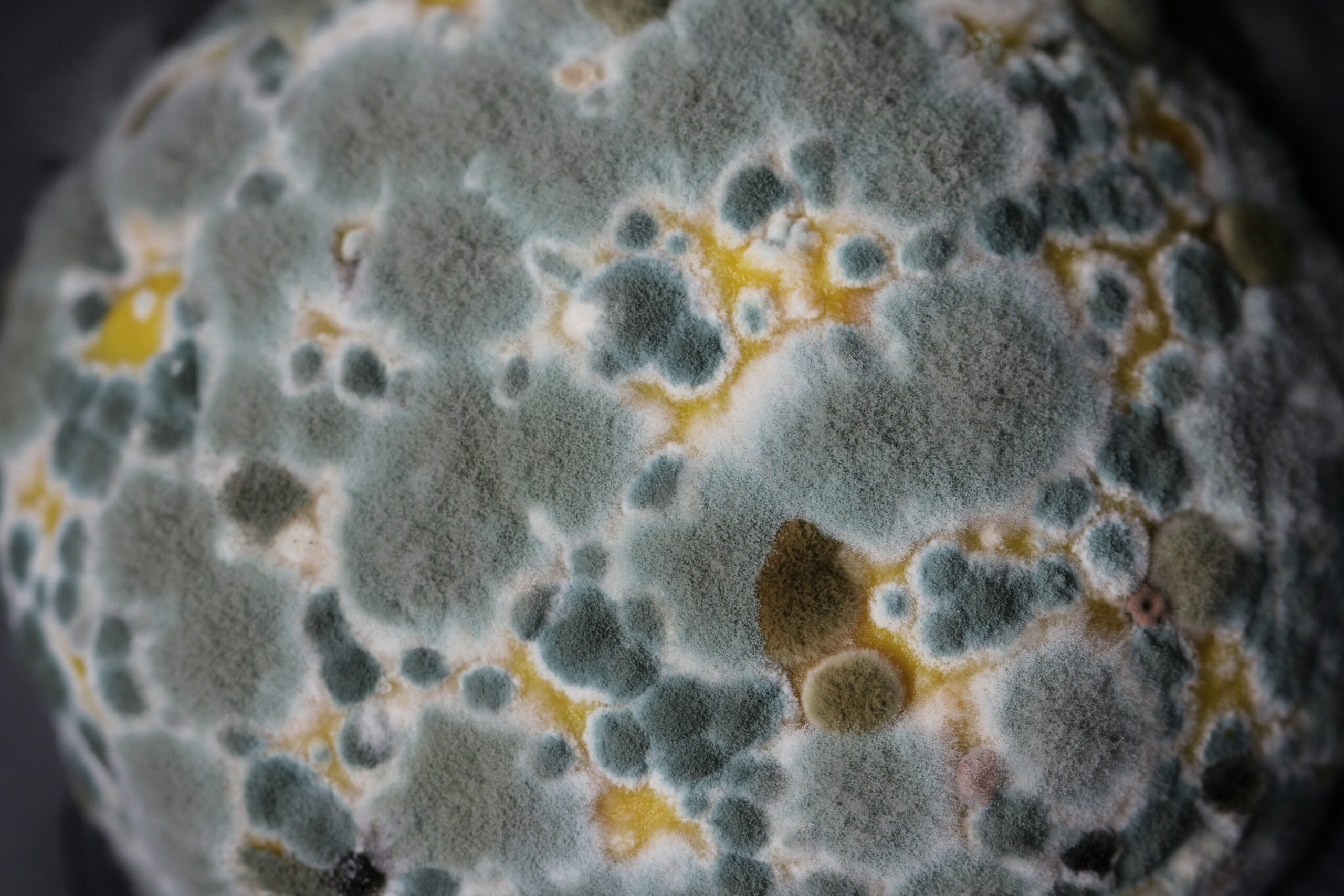
A growing body of scientific evidence is sounding an urgent alarm: climate change is accelerating the spread of dangerous fungal infections, pushing pathogens into new regions and making them more resistant to treatment. Experts warn that the world is poorly prepared for a threat that has long been overshadowed by bacteria and viruses.
A Warming World Opens the Door
Fungi have historically posed a limited threat to healthy humans because the human body’s core temperature of around 37°C is too high for most species to survive. However, as global temperatures rise, fungi are adapting to warmer environments—and, in a concerning evolutionary leap, becoming better at surviving inside the human body.
Dr. Arturo Casadevall, a microbiologist at the Johns Hopkins Bloomberg School of Public Health, has been studying this phenomenon for decades. “We are seeing the emergence of new fungal threats directly linked to climate change,” he said in a recent interview. “Fungi that were once confined to soil or plants are now finding humans to be a viable host, and our immune systems are not equipped to handle them.”
Candida auris: A Case Study in Climate-Driven Evolution
One of the most striking examples is Candida auris, a drug-resistant yeast first identified in 2009. Since then, it has spread to hospitals in more than 40 countries, causing severe bloodstream infections with mortality rates as high as 60 percent.
According to the U.S. Centers for Disease Control and Prevention, cases in the United States have grown from a handful in 2015 to more than 2,300 in 2022. The fungus appears to have emerged simultaneously on three continents, a pattern that researchers say is inconsistent with typical human travel. Instead, the leading theory holds that C. auris was originally an environmental fungus that adapted to high temperatures—including those found in the human body—as a result of climate change.
“This is not a bug that simply hitched a ride on an airplane,” said Dr. Tom Chiller, head of the CDC’s Mycotic Diseases Branch. “It appears to have developed its heat tolerance in the environment first, then was able to jump to humans.”
Widening the Geographic Map
Historically, serious fungal infections were largely confined to tropical regions. Histoplasma capsulatum, which causes a lung infection, was common in the Ohio and Mississippi River valleys. Coccidioides immitis, known as Valley fever, thrived in the American Southwest. But rising temperatures and shifting weather patterns are altering that geography.
A 2023 study published in the journal GeoHealth projected that by 2060, the geographic range for Valley fever could expand northward into states like Montana and North Dakota, affecting millions of additional people due to hotter, drier conditions. Meanwhile, cases of Aspergillus infections—already a leading cause of death in immunocompromised patients—are rising in Europe and Asia, linked to more frequent heatwaves and dust storms that carry fungal spores.
“We are essentially following the heat,” said Dr. Kieren Marr, an infectious disease specialist at Johns Hopkins. “Wherever climate change dries out the soil or alters the environment, we see a spike in fungal exposures.”
A Silent Crisis in Drug Resistance
Compounding the geographic spread is the alarming rise in antifungal resistance. The World Health Organization recently published its first list of priority fungal pathogens, warning that only four classes of antifungal drugs currently exist, and resistance is emerging to all of them.
Unlike bacteria, fungi share a similar cellular structure to human cells, making it difficult to develop drugs that kill the pathogen without harming the patient. This biological similarity means the pharmaceutical pipeline for antifungals has remained thin for decades. As climate change accelerates fungal adaptation, the gap between available treatments and emerging threats is growing dangerously wide.
What This Means for the Future
Public health experts urge governments to invest in surveillance systems that track fungal diseases in the environment and in hospitals. Currently, many countries lack basic reporting requirements for fungal infections, leaving outbreaks undetected until they are widespread.
For individuals, the risks remain highest for those with weakened immune systems, including cancer patients, organ transplant recipients, and people living with HIV. However, the emergence of C. auris has shown that healthy individuals in hospital settings can also become colonized, potentially serving as carriers.
“Climate change is not just about heatwaves and floods,” said Dr. Casadevall. “It is altering the microbial world around us in ways we are just beginning to understand. If we do not act now, fungal infections could become one of the next great public health crises.”
As the planet continues to warm, the line between environmental and human disease grows thinner. The question is no longer whether climate change will affect infectious disease—it is how fast we can adapt to the new threats emerging from the soil, the dust, and the air.