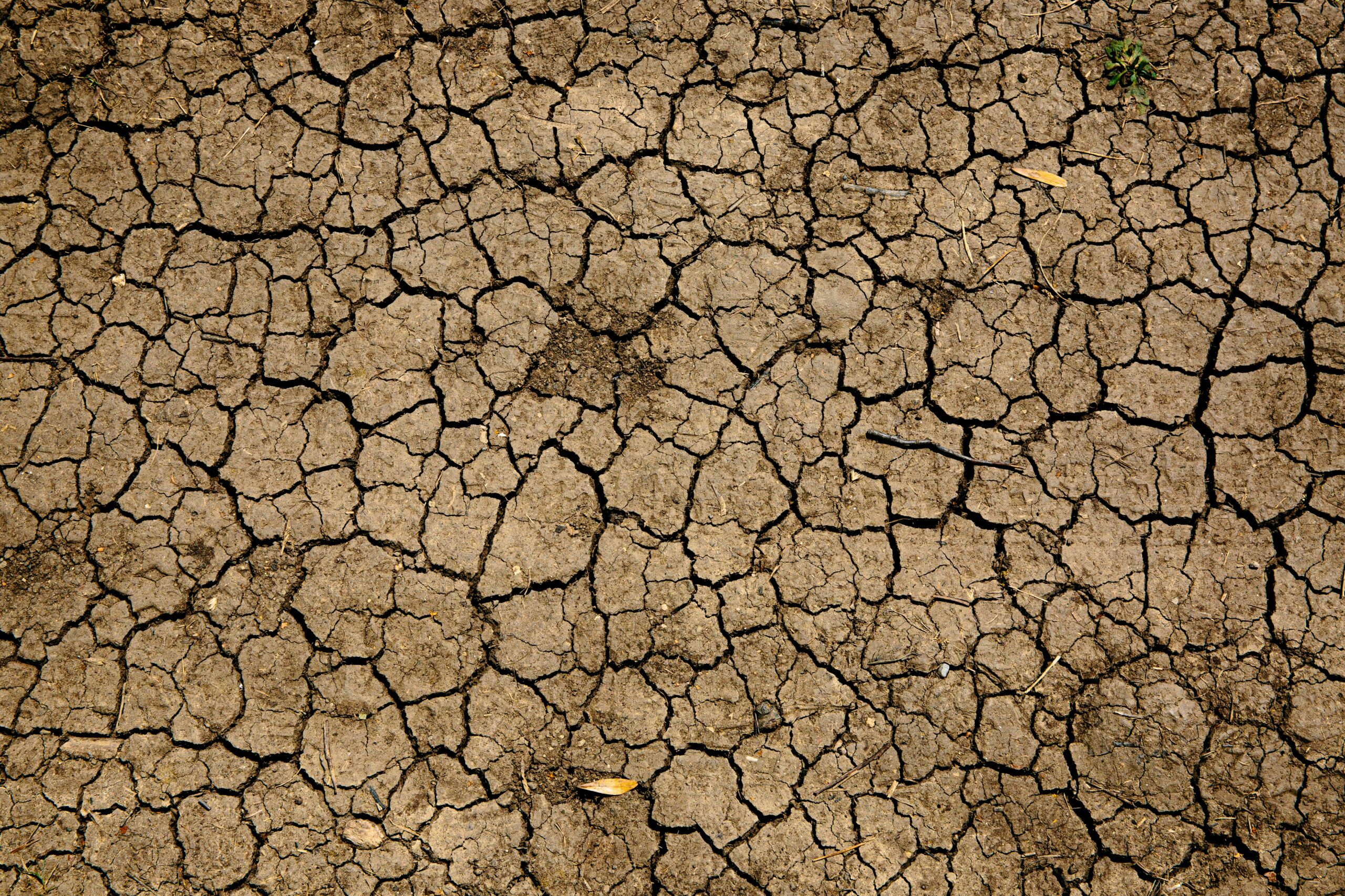
Lede
The world is entering uncharted climatic territory, with leading meteorologists warning that 2024 is on track to become the hottest year in recorded history, driven by a powerful El Niño event that is amplifying the effects of human-caused climate change. According to data released Thursday by the World Meteorological Organization (WMO), global average temperatures have already exceeded 1.4°C above pre-industrial levels for the past 12 consecutive months, edging dangerously close to the 1.5°C threshold set by the Paris Agreement.
The Science Behind the Spike
The current El Niño—a natural climate pattern characterized by warmer-than-average sea surface temperatures in the equatorial Pacific—began developing in June 2023 and has since gained remarkable strength. Scientists at the U.S. National Oceanic and Atmospheric Administration (NOAA) report that ocean heat content in the upper 2,000 meters hit a new high in 2023, and that energy is now being released into the atmosphere.
“This is not just another warm year; this is a compound event,” explained Dr. Samantha Burgess, deputy director of the Copernicus Climate Change Service. “The underlying warming trend from greenhouse gas emissions is being supercharged by El Niño, creating a one-two punch that we haven’t seen in modern records.”
Human and Economic Toll
The consequences are already visible across the globe. In Southeast Asia, a months-long heatwave has forced school closures in Thailand and Vietnam, while agricultural output in India’s wheat belt has dropped by an estimated 15%, according to the Indian Ministry of Agriculture. In the Horn of Africa, an El Niño-linked shift in rainfall patterns has brought devastating floods to Somalia and Kenya, displacing over 200,000 people since March.
“These are not abstract numbers,” said Maria Lopez, a 38-year-old farmer in Mexico’s drought-stricken Guanajuato state. “The rains come too late or not at all. We are losing our corn crop for the third year in a row. My children go to bed hungry.”
Data in Context
Critical context: The 1.5°C target is a long-term average goal over decades, not a single year. However, sustained temperatures above this threshold would trigger irreversible tipping points, including the collapse of the Greenland ice sheet and mass coral reef die-off. The WMO stresses that even if 2024 does not permanently breach 1.5°C, the rate of warming is accelerating. The past nine years have been the nine warmest on record.
Global Response and Next Steps
In response to the escalating crisis, the United Nations Secretary-General has called for an emergency session of the General Assembly scheduled for late September, urging nations to submit updated national climate plans well ahead of the COP29 summit in Baku. Key proposals include a global phase-out of fossil fuel subsidies, which total over $7 trillion annually according to the International Monetary Fund, and a tripling of renewable energy capacity by 2030.
On a personal level, experts advise individuals to take practical steps: install weather-proofing in homes, support local cooling centers, and invest in heat-pump technology. Dr. Michael Mann, a climatologist at the University of Pennsylvania, also emphasized the power of civic engagement. “Voting for leaders who treat climate change as the emergency it is remains the single most effective action a citizen can take,” he said.
Broader Implications
What happens next depends on both natural variability and human action. The current El Niño is expected to weaken by mid-2024, which could temporarily slow the warming trend. But the underlying buildup of CO₂—now at 420 parts per million, a level not seen in 4 million years—will continue to trap heat. Adaptation is no longer optional; it is a survival necessity.
As Dr. Burgess concluded, “We are running out of time to prevent the worst outcomes. Every fraction of a degree matters, and every year of delay costs lives.”