Lede
For Tom and Linda Garcia, a modest three-bedroom home in Cape Coral, Florida, was supposed to represent a secure retirement. Instead, their annual homeowners insurance premium has nearly tripled in three years, jumping from $1,800 to over $5,200—forcing them to consider selling the property they have owned since 1998. Their predicament is not isolated; across the United States, homeowners in wildfire-prone California, hurricane-battered Gulf Coast states, and flood-threatened communities are confronting a stark reality: the insurance safety net is fraying under the weight of a changing climate.
The Perfect Storm Behind Rising Premiums
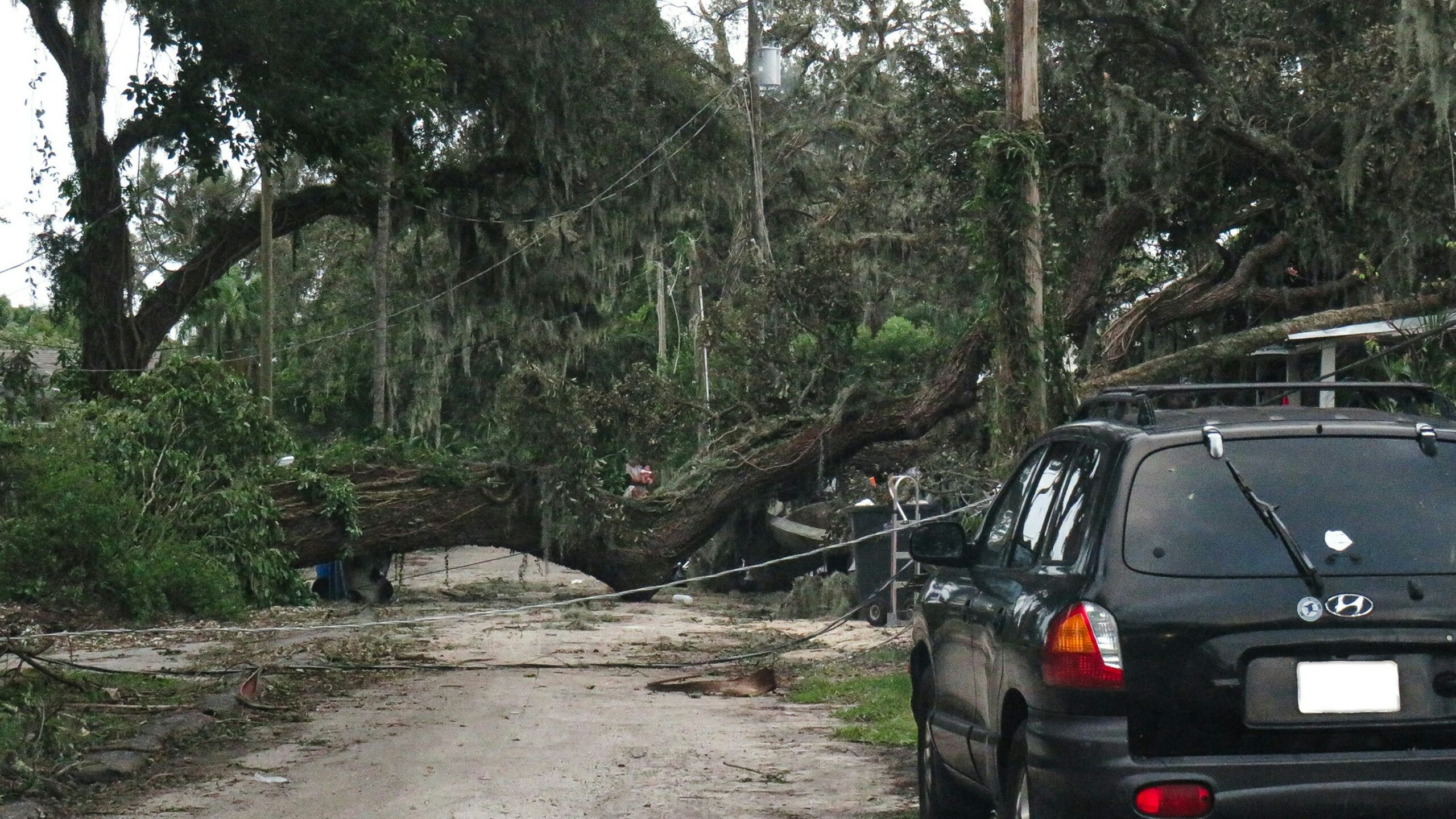
The insurance crisis is driven by a convergence of factors that experts say has been decades in the making. According to the National Oceanic and Atmospheric Administration (NOAA), the United States experienced 28 separate billion-dollar weather and climate disasters in 2023, a record high that shattered the previous mark of 22 set in 2020. These events caused combined damages exceeding $92 billion.
“Insurers price policies based on historical risk models, but those models are no longer reliable,” explains Dr. Emma Johnson, a risk assessment specialist at the University of Pennsylvania’s Wharton School. “We are seeing events that were once considered once-in-a-century occurrences now happening every few years. The industry is scrambling to recalibrate.”
Reinsurance costs—the insurance that insurers buy to cover their own catastrophic losses—have surged dramatically. Major global reinsurers like Swiss Re and Munich Re have raised rates by 25% to 50% in high-risk regions, passing those costs directly to consumers.
When Coverage Vanishes
The most alarming trend involves insurers simply refusing to write new policies. In California, State Farm and Allstate announced in 2023 that they would stop accepting new homeowner applications, citing rapidly escalating wildfire risk and rising construction costs. In Florida, six insurance companies have become insolvent since 2021, with several others voluntarily exiting the market.
This has created a reliance on state-backed “insurer of last resort” programs. Florida’s Citizens Property Insurance Corporation now covers approximately 1.4 million policies, making it the largest property insurer in the state. Critics warn that these programs lack the financial reserves to handle a direct hit from a major hurricane, potentially requiring massive assessments on all state policyholders or a taxpayer bailout.
The Human Toll and Financial Fallout
The crisis is reshaping where and how Americans can live. Mortgage lenders require homeowners insurance, meaning homes in uninsurable areas effectively become unsellable. Real estate markets in coastal communities are already feeling the chill.
“I’ve had three sales fall through this year because buyers couldn’t secure insurance at any price,” says Maria Santos, a realtor in Tampa. “Families are walking away from contracts and losing their earnest money deposits.”
Lower-income homeowners face the most severe consequences. According to a report from the First Street Foundation, an estimated 39 million properties nationwide are currently overvalued by a combined $500 billion because insurance premiums have not fully adjusted to reflect actual climate risk. As premiums rise, property values are expected to correct sharply, potentially triggering a housing affordability crisis deeper than the 2008 recession.
Toward Sustainable Solutions
There are no easy fixes. Some states are exploring climate adaptation incentives, offering premium discounts for homeowners who install wildfire-resistant roofing, elevate structures above flood levels, or retrofit properties to withstand hurricane-force winds.
Federal policymakers are debating whether government reinsurance programs—similar to the National Flood Insurance Program—should be expanded to cover wildfire and hurricane risk. Opponents argue that such programs discourage mitigation and effectively subsidize development in hazardous zones.
“We cannot simply price people out of their homes,” argues Johnson. “But we also cannot pretend the risk isn’t there. The solution lies in a combination of smarter building codes, better land-use planning, and targeted subsidies that encourage relocation out of the highest-risk areas.”
What Comes Next
As climate change accelerates, the insurance crisis is expected to intensify. Homeowners should review their policies annually, investigate state-run insurance options if private coverage proves unaffordable, and consider the long-term risks before purchasing property in disaster-prone regions. For millions of Americans, the question is no longer whether their home will be affected by extreme weather—but whether they can afford to stay.