DAMASCUS, Syria — The government of President Bashar al-Assad effectively collapsed overnight, multiple international officials confirmed Tuesday, sending shockwaves through the region and leaving a power vacuum that experts warn could spark a new wave of instability, displacement, and geopolitical maneuvering.
The sudden downfall, which began with the defection of key military commanders in the early hours of Monday, culminated in Assad’s reported departure from the capital, Damascus, for an undisclosed location. By Tuesday morning, rebel factions and opposition militias had taken control of the city’s central government district, including the state television headquarters and the presidential palace, which was found largely abandoned. The speed of the collapse has stunned observers, who for over a decade had watched Assad cling to power through a devastating civil war.
“This is not a transition. This is an implosion,” said Dr. Leila Haddadin, a senior fellow at the Middle East Institute in Washington. “The regime’s foundation eroded from within, hollowed out by corruption, sanctions, and sheer war fatigue among its core supporters. No external intervention could have prevented this once the military’s loyalty fractured.”
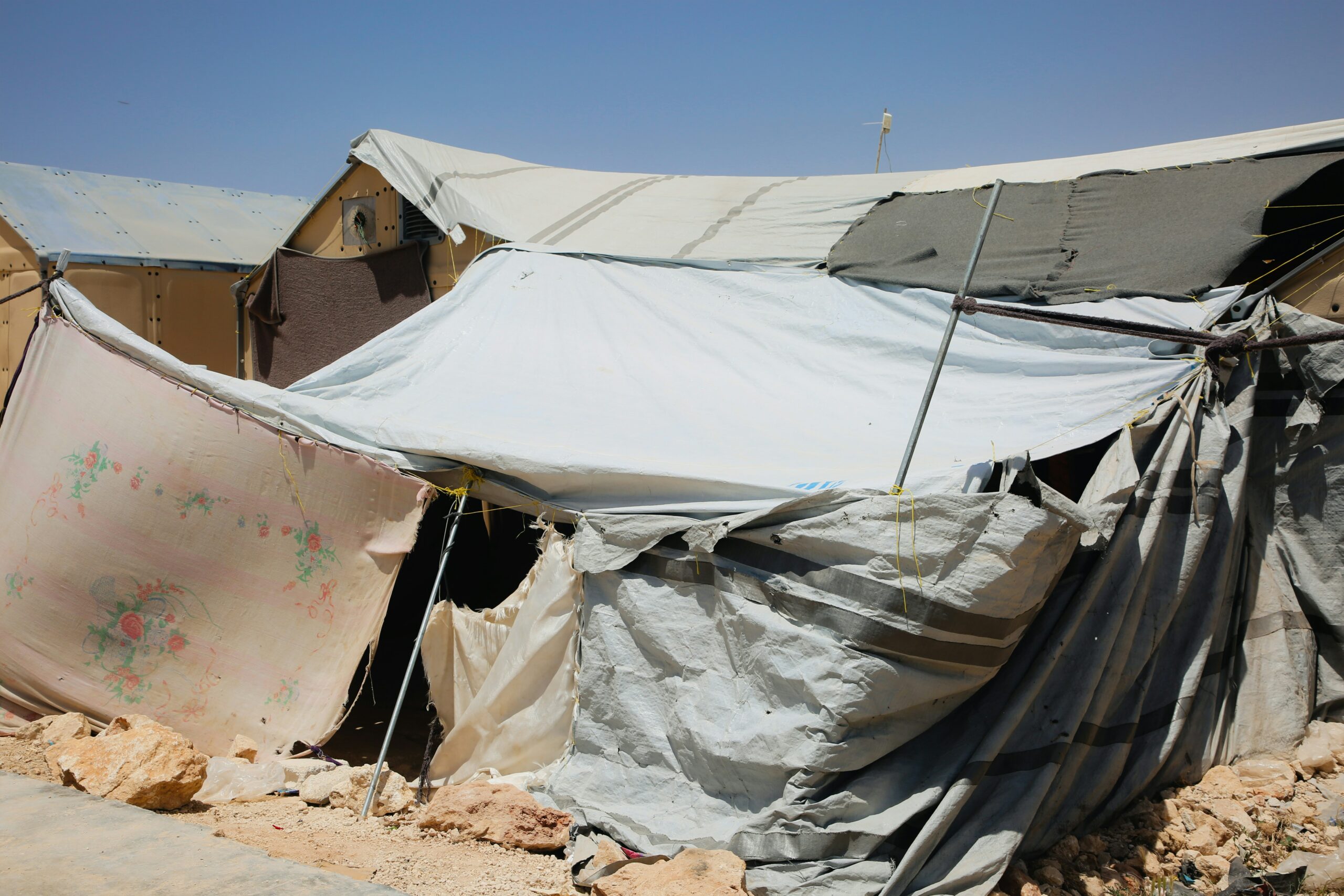
The collapse follows years of grinding conflict that began with the 2011 Arab Spring protests. According to the United Nations, more than 500,000 people have died since the conflict began, and over 12 million Syrians have been displaced, half of them as refugees abroad. Prior to this week, Assad’s government controlled roughly two-thirds of the country, propped up by Russian air power, Iranian-backed militias, and Hezbollah fighters. However, those allies appear to have been caught off guard. Diplomatic sources in Moscow acknowledged that Russia has “paused” all military operations in Syria and is evacuating non-essential personnel from its naval base in Tartus.
The immediate crisis is humanitarian. The International Committee of the Red Cross warned that hospitals in Damascus are overwhelmed, with reports of looting and clashes between different opposition groups in contested neighborhoods. Aid corridors, already fragile, have been severed. The World Food Programme said its emergency stockpiles were destroyed in the chaos.
“We ran out of supplies for our dialysis patients three hours after the power went out,” said Dr. Nabil Qassem, a physician at Al-Mujtahid Hospital in Damascus, reached by a satellite phone. “We don’t know who is in charge. We just know the sick and injured are still coming.”
For ordinary Syrians, the fall of the regime brings a mix of fear and cautious hope. In the war-shattered suburb of Darayya, residents gathered in the streets, some weeping, others embracing. “We have lived under fear for so long,” said Amira Hassan, a 47-year-old teacher. “Now we are afraid of what comes next, but at least the fear has a new face.”
The geopolitical implications are vast. Iran lost a critical land bridge to its proxy Hezbollah in Lebanon. Turkey, which has backed certain opposition groups, is positioning itself to influence the northern buffer zone. Israel has placed its northern border on high alert. The United States, which maintains a small troop presence in the northeast, has called for an “inclusive, civilian-led political transition,” though analysts question how realistic that is given the fractured nature of the victorious opposition.
What to expect next:
- Power struggles: Multiple rebel factions, including some with ties to al-Qaeda and ISIS, are vying for control. A unified interim government is not guaranteed.
- Refugee flows: Neighboring countries—Lebanon, Jordan, and Turkey—are bracing for a potential surge of Syrians fleeing the new instability or returning to assess the situation.
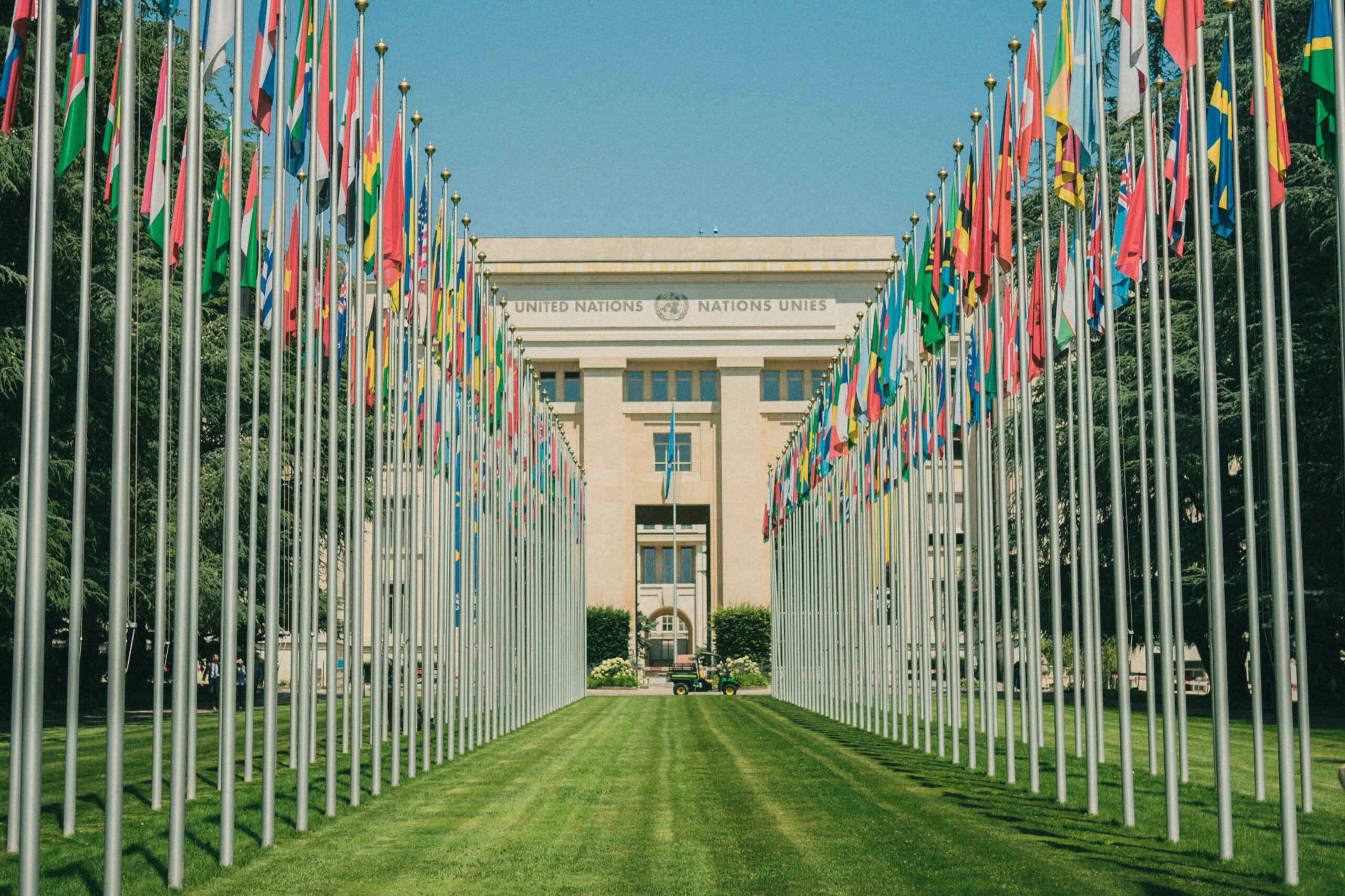
- International response: The UN Security Council is expected to hold an emergency session this week, though Russia and China are likely to resist any resolution that isolates their remaining interests.
The fall of Assad does not mean an end to Syria’s tragedy. It marks the beginning of a new, unpredictable chapter—one where the future of a traumatized nation hangs in the balance, waiting to see who will fill the silence left by a deposed leader.