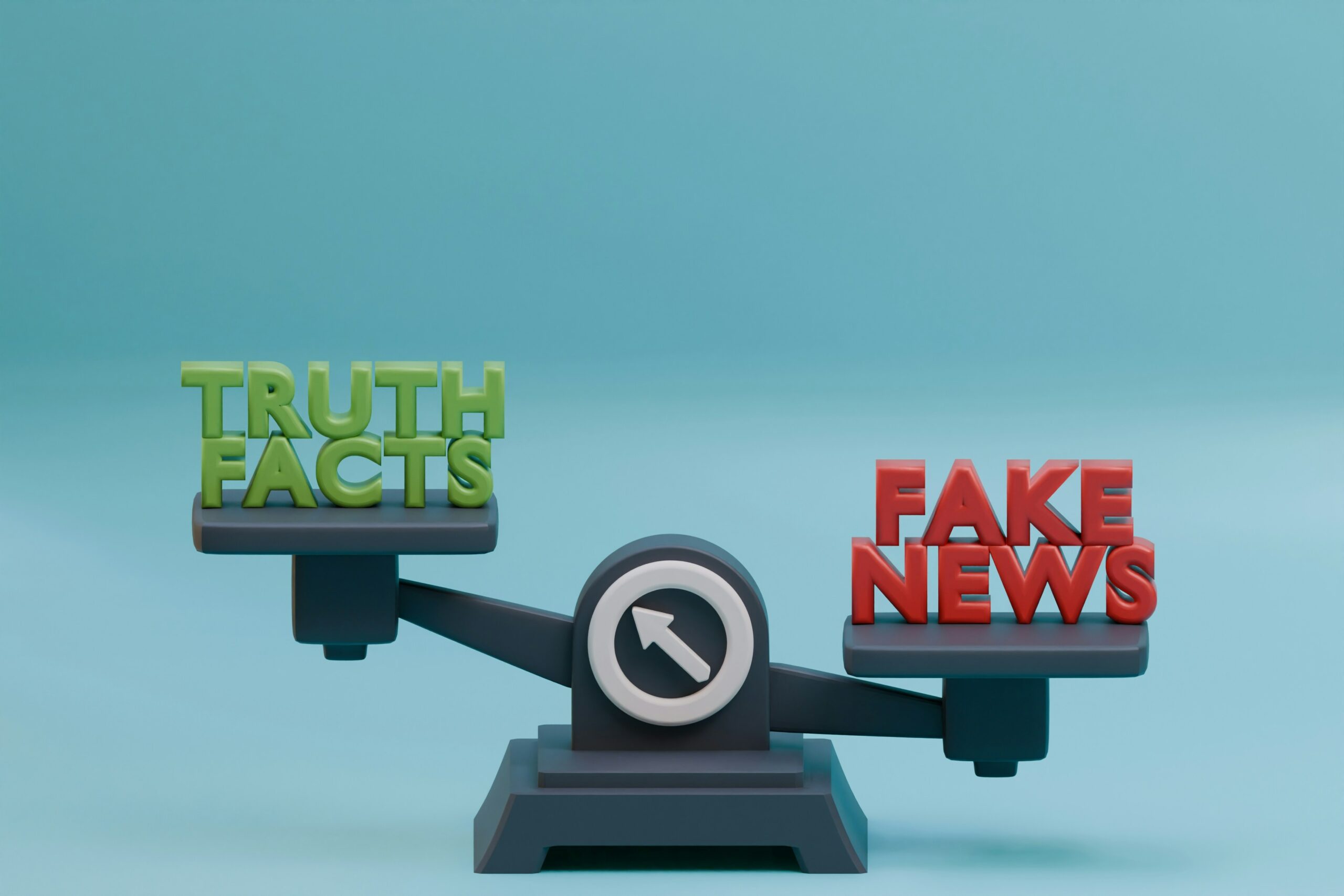
In an age defined by the relentless velocity of digital communication, the ability to discern fact from fiction has evolved from a niche skill into a fundamental civic necessity. A recent convergence of studies indicates that as news consumption shifts increasingly toward social media platforms, the general public faces unprecedented challenges in identifying credible sources, prompting educational institutions and policy makers to prioritize media literacy.
The modern information ecosystem is a double-edged sword; while access to data has democratized knowledge, it has simultaneously lowered the barrier for the spread of misinformation. According to data analysis from global media watchdogs, the volume of content uploaded every minute far outstrips the capacity of human fact-checkers, placing the onus of verification squarely on the individual reader.
The shift in consumption habits
Traditional gatekeepers of information—newspapers and broadcast networks—have been supplanted for many by algorithmic feeds designed to maximize engagement rather than accuracy. This structural shift creates “filter bubbles” where users are primarily exposed to viewpoints reinforcing their existing beliefs. Researchers note that this environment fosters emotional resonance over factual integrity, making it increasingly difficult for objective truth to penetrate polarized communities.
“Understanding the difference between a reported news article and an opinion piece is no longer intuitive,” explains Dr. Elena Ross, a digital communications specialist. “Headlines are often crafted to trigger a dopamine response, compelling shares without reading. The modern reader must act as their own editor.”
Practical steps for verification
To navigate this complex landscape, experts recommend a set of actionable protocols for consumers:
- Lateral Reading: Instead of judging a website by its appearance, experts suggest opening new tabs to search for information about the source’s reputation and funding.
- Check the Date: Old news stories often recirculate on social media during breaking news events, leading to confusion about current facts.
- Verify Authority: Look for the author’s credentials and whether other reputable outlets are reporting the same story.
Looking ahead
The implications of a fragmented media landscape extend beyond individual confusion; they threaten the foundation of informed democratic discourse. Governments across the globe are beginning to integrate digital literacy into school curriculums, recognizing that the ability to analyze information is as vital today as traditional literacy.
As the digital world continues to expand, the responsibility remains shared. Tech platforms are under pressure to refine algorithms that amplify falsehoods, but the ultimate defense remains an educated and skeptical public. For those seeking to stay informed, the takeaway is clear: in the pursuit of truth, the pause required to verify a source is not a delay—it is a necessity.