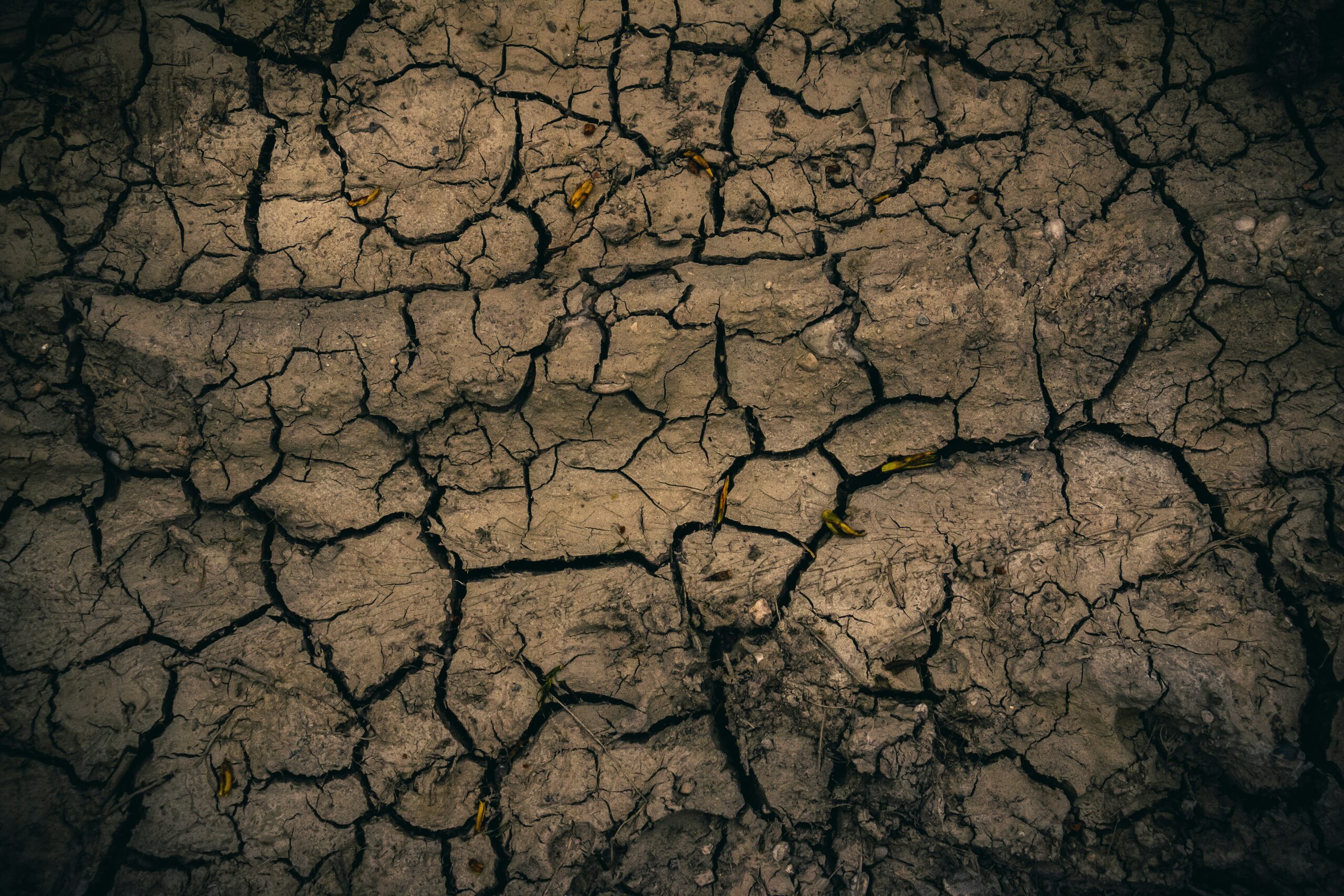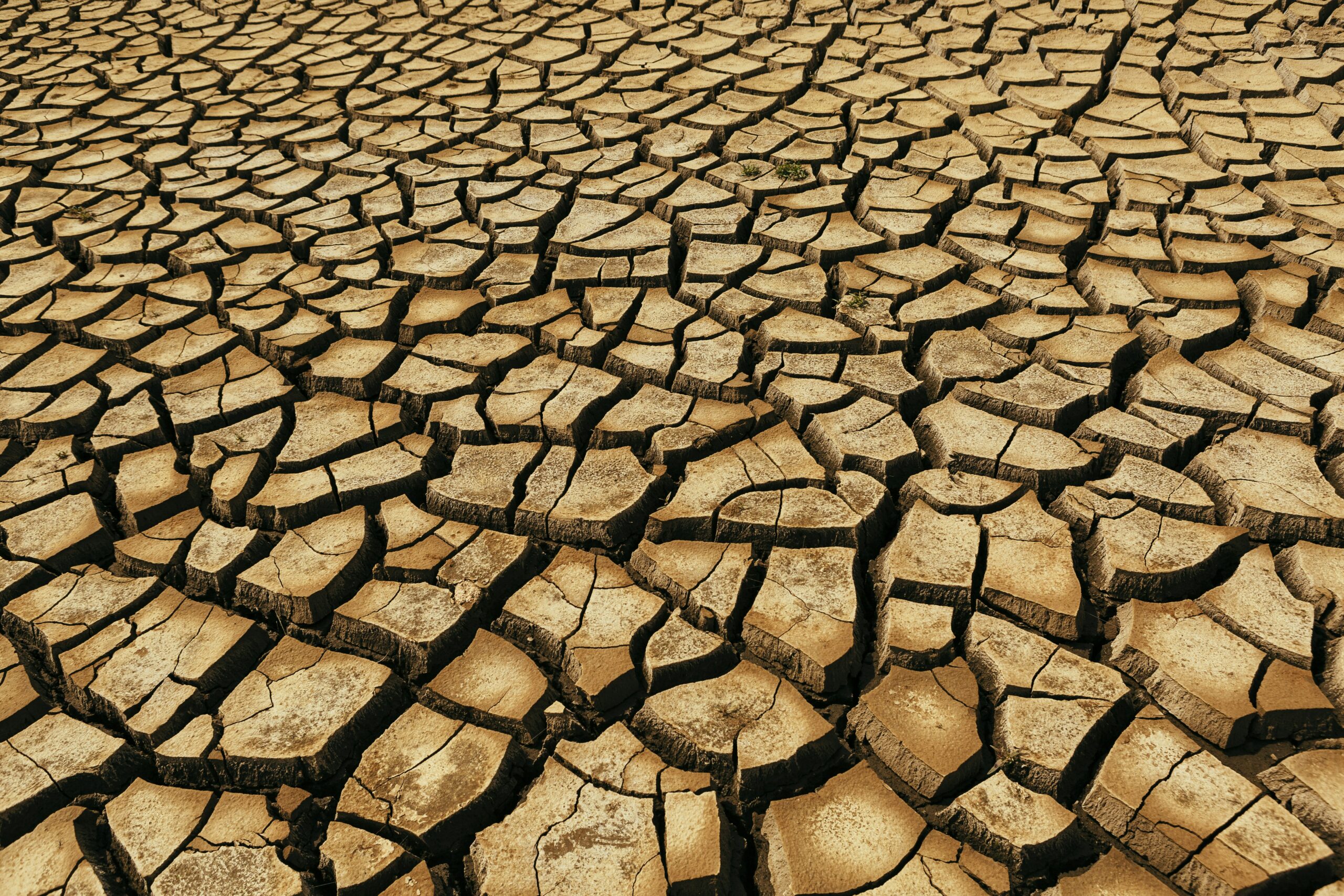
A deepening and widespread global drought is rapidly escalating, threatening long-term food security and straining access to clean water for millions across multiple continents, according to recent climate assessments. This severe meteorological phenomenon, driven by persistent shifts in weather patterns and accelerated by climate change, has moved beyond isolated incidents to become a simultaneous crisis impacting agriculture, energy generation, and public health from North America to Eastern Africa and Europe.
Drying Rivers Underpin Global Economic Strain
The severity of the current drought cycle is unprecedented in recent history, characterized not just by reduced rainfall but also by record-high temperatures that accelerate evaporation. In North America, the Colorado River Basin continues to face drastic declines in water levels, necessitating emergency conservation measures and impacting essential water supplies for tens of millions of people and vast agricultural lands in the Western United States. Major reservoirs, critical for both drinking water and hydroelectric power, are approaching dangerously low operational limits, forcing utility providers to seek alternative, costly energy sources.
Similarly, Europe has witnessed historically low water levels in key waterways. Rivers such as the Rhine and the Po, vital arteries for commerce and irrigation, have seen significant drops, disrupting inland shipping and hindering the transport of essential commodities, including coal and grain. This bottleneck has exacerbated existing supply chain issues, adding inflationary pressure to energy and consumer goods throughout the continent.
Climate scientists emphasize that while natural variability contributes to localized dry spells, the sustained, simultaneous nature of these events strongly bears the hallmarks of anthropogenic climate change. Dr. Anya Sharma, a lead climatologist at the Global Weather Institute, notes that warmer air can hold more moisture, but when precipitation occurs, it is often concentrated, leaving vast regions in persistent deficit. “The predictability of rainy seasons, which formed the bedrock of human civilization and agriculture, is breaking down globally,” Dr. Sharma stated in a recent briefing.
Humanitarian Crisis Looms in Vulnerable Regions
The humanitarian implications are particularly dire in regions already grappling with instability and poverty. In the Horn of Africa, persistent failed rainy seasons have pushed millions into severe hunger, creating what agencies describe as an acute food crisis. Crop failures and livestock deaths have decimated livelihoods, forcing mass internal displacement. International aid organizations are struggling to scale up resources to meet the overwhelming needs for emergency food aid and support for water infrastructure.
Beyond immediate humanitarian relief, the long-term impact on global food systems is a crucial concern. Major commodity-producing regions are experiencing significant yield reductions for staple crops like wheat, maize, and rice. For consumers, this translates rapidly into higher grocery costs and increased risk of commodity price volatility.
Strategies for a Water-Scarce Future
Addressing this escalating crisis requires a dual approach incorporating aggressive mitigation of greenhouse gas emissions and rapid adaptation strategies. Governments and agricultural sectors must pivot towards water-efficient technologies and drought-resilient practices.
- Improved Irrigation: Implementing precision agriculture and drip irrigation systems, moving away from flood irrigation.
- Water Recycling: Investing in advanced wastewater treatment and reuse facilities for non-potable uses.
- Diversified Energy: Reducing reliance on stressed hydroelectric power by rapidly deploying solar and wind resources.
- Transboundary Cooperation: Establishing robust, equitable agreements for managing shared river basins to prevent conflict.
Ultimately, the widespread drought demonstrates the critical link between climate stability and human welfare. The current crisis serves as a stark warning that proactive investment in climate resilience—from infrastructure upgrades to sustainable land use—is no longer optional but essential for global stability.