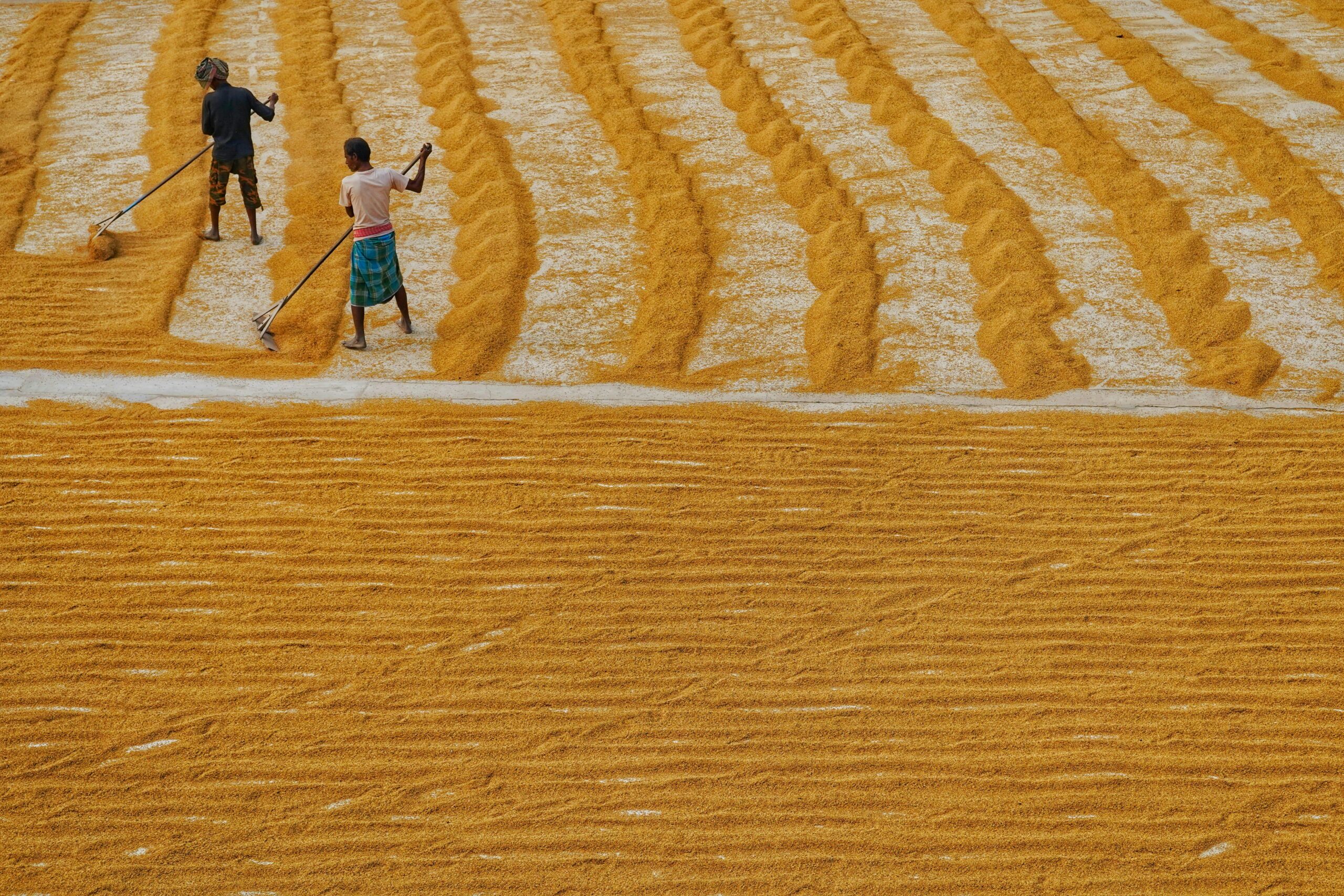
The cost of essential global food commodities surged sharply in the past month, reaching levels not seen in a decade, primarily driven by adverse weather conditions, robust consumer demand, and persistent supply chain bottlenecks amplified by the ongoing pandemic. The United Nations Food and Agriculture Organization (FAO) reported this week that its benchmark Food Price Index, which tracks the monthly changes in international prices of commonly traded food items, climbed significantly, pushing millions in already vulnerable nations closer to food insecurity. This recent escalation threatens to intensify inflation across diverse economies and poses serious political and humanitarian challenges as poorer households struggle to afford basic necessities like cereals, dairy, and edible oils.
Extreme Weather Events Decimate Crop Yields
A confluence of environmental factors has underpinned the dramatic price shifts. Extreme weather patterns, including severe droughts in parts of South America and devastating flooding across key grain-producing regions in Asia, have substantially curtailed expected crop yields for staples such as corn, wheat, and soybeans. Analysts note that these unexpected supply shocks coincided with a vigorous rebound in global consumer demand, particularly from rapidly recovering economies, creating intense upward pressure on prices.
Furthermore, issues beyond the farm gate are playing a critical role. Rising energy costs have significantly increased the expense of fertilizer production and transportation, directly impacting farming’s input costs. Shipping and logistical blockages, a lingering side effect of the pandemic, continue to add weeks and substantial expense to moving foodstuffs from producers to consumers.
Cereal and Vegetable Oil Prices Lead the Inflation Spike
The data reveals particularly concerning jumps in several key categories. The FAO’s Cereal Price Index saw a steep rise, driven by strong international demand and lower-than-anticipated harvests. Wheat prices, in particular, have reacted sharply to poor harvest forecasts from major exporting nations.
Perhaps the most dramatic increase was seen in vegetable oils, which have reached record highs. Palm oil and soy oil prices escalated due to tight supplies and increased demand for biofuel production. Meat and dairy prices also demonstrated firm increases, although the pace of growth was slightly slower than that observed in cereals and oils.
Economic and Humanitarian Implications
This spike carries profound implications, extending far beyond the supermarket aisles of wealthy nations. For countries heavily reliant on food imports, particularly those in sub-Saharan Africa and parts of the Middle East, the higher prices translate directly into increased national spending and mounting pressure on foreign currency reserves.
Economists express concern that persistent food inflation could fuel a broader inflationary cycle, compelling central banks to reconsider monetary policies as governments simultaneously grapple with post-pandemic recovery efforts.
“These elevated prices are disproportionately affecting the world’s poor,” explains a food security expert. “When a significant portion of a family’s income is already spent on food, a 10 or 20 percent increase can mean the difference between a secure meal and hunger. We are facing a deepening global affordability crisis.”
Building Resilience Against Future Shocks
To mitigate the current crisis and build better resilience against future price volatility, experts recommend several immediate and long-term actions.
- Diversify Sourcing: Countries need to reduce reliance on single-source suppliers for staple foods.
- Invest in Climate-Resilient Agriculture: Supporting farming techniques that can withstand extreme weather is crucial for stable local production.
- Strengthen Supply Chains: Targeted investment in efficient infrastructure, storage, and logistics can help stabilize local prices even when global rates fluctuate.
The recent price surge underscores the urgent need for coordinated international action to stabilize markets and protect the estimated tens of millions facing severe hunger globally. Without intervention, many vulnerable economies risk significant social and political destabilisation driven by high cost-of-living pressures.