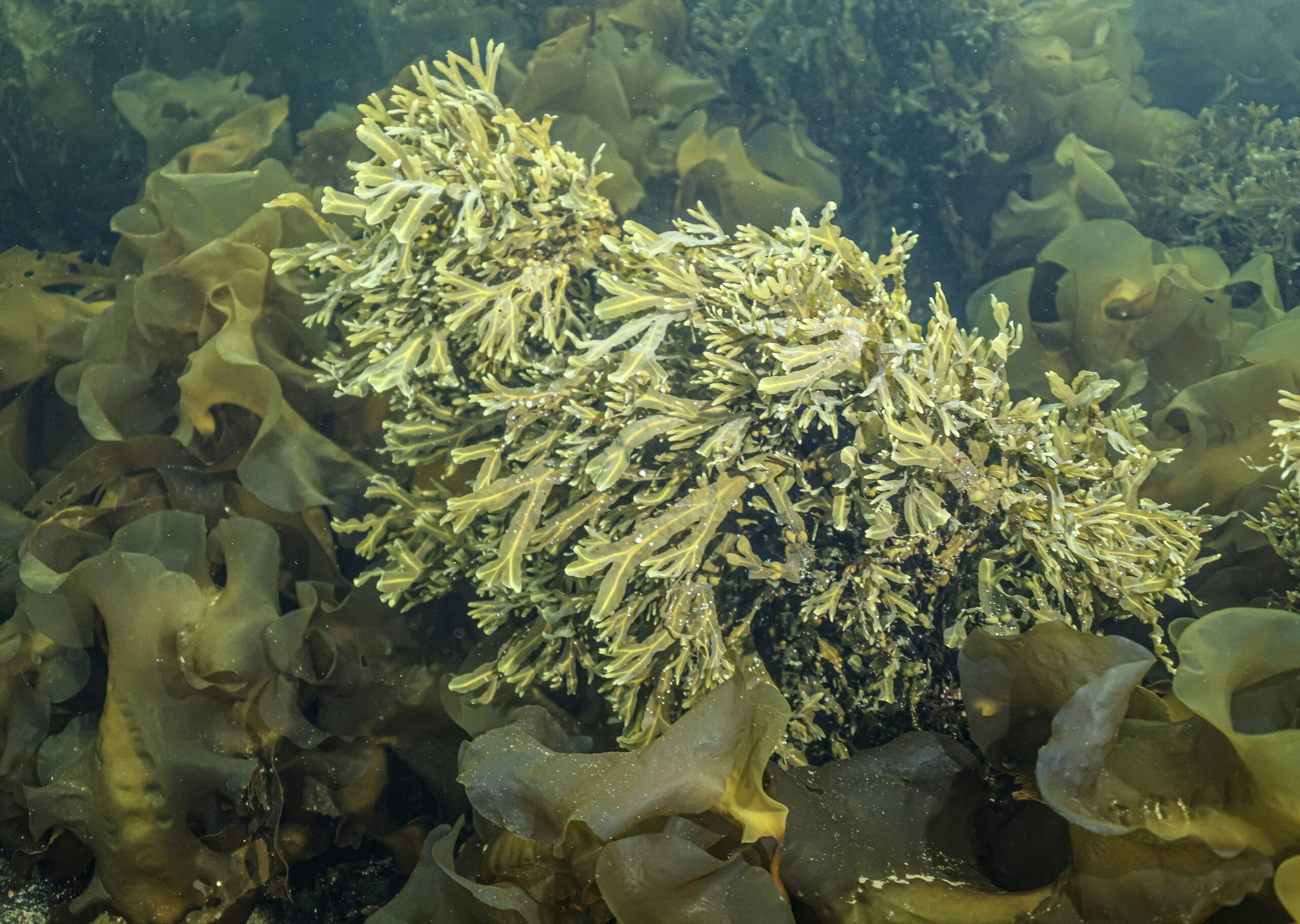
Scientists and conservationists worldwide are issuing a strong appeal for immediate global measures to protect the vast and fragile ecosystems hidden in the ocean’s deep regions.
The world’s leading marine biology experts and environmental organizations have coalesced to highlight the critical and often overlooked role of the deep sea—defined as waters below 200 meters—in regulating the global climate and supporting biodiversity. Their joint statements emphasize that burgeoning industrial activities, particularly deep-sea mining, pose irreversible threats to these delicate environments before they are even fully understood, necessitating a robust international regulatory framework to safeguard these critical planetary assets.
Deep Oceans Under Threat from Mining
The growing demand for battery minerals, such as nickel, cobalt, and manganese, has spurred significant commercial interest in harvesting polymetallic nodules and crusts from the seafloor. These deep-sea mineral deposits are often found in abyssal plains and hydrothermal vents, areas teeming with unique, slow-growing life forms that have adapted to extreme pressure and darkness over millennia.
Conservationists warn that seabed mining involves stripping large swaths of the ocean floor, churning up sediment plumes that can travel for hundreds of miles, suffocating filter feeders, and disrupting crucial carbon sequestration processes. Given the incredibly slow recovery rates of deep-sea species—often decades to centuries—any disturbance is likely to be permanent on a human timescale.
Dr. Anya Sharma, a specialist in deep-sea ecology at the University of Plymouth, noted the urgency of the situation. “We are facing a scenario where industrialization is outpacing scientific discovery,” she stated in a recent press briefing. “Nearly 80% of the deep ocean remains unmapped, yet we are poised to introduce heavy machinery capable of causing widespread ecological collapse. The precautionary principle must be the guiding force here.”
Calls for a Global Regulatory Pause
The international community is grappling with how to govern these resources, which lie in areas beyond national jurisdiction. The International Seabed Authority (ISA), an intergovernmental body mandated under the UN Convention on the Law of the Sea (UNCLOS) to regulate seabed activities, is currently developing regulations for deep-sea exploitation. However, there is significant debate among member states regarding whether mining should proceed at all.
Experts are advocating for a global moratorium or a “precautionary pause” on deep-sea mining activities until comprehensive environmental impact assessments are completed and effective mitigation strategies proven. This pause would allow scientists crucial time to understand the baseline conditions of these ecosystems.
Key demands from the scientific community include:
- Establishment of extensive, legally binding marine protected areas (MPAs) in vulnerable deep-sea habitats.
- Mandatory, transparent environmental monitoring schemes for all exploratory activities.
- Prioritizing fundamental research into deep-sea biology, biogeochemistry, and climate roles.
Ecosystem Services and Climate Resilience
The implications of deep-sea damage extend far beyond localized biodiversity loss. The deep ocean is a vital component of the Earth’s carbon cycle, acting as one of the largest long-term carbon sinks. Disturbing the seafloor can release stored carbon and interfere with the biological pump—the process by which living organisms transfer carbon from the surface waters to the ocean depths. This interference could inadvertently accelerate climate breakdown.
Conservation groups stress that the true value of the deep sea lies in the ecosystem services it provides, which cannot be quantified purely by mineral wealth. Protecting these environments is intrinsically linked to ensuring the long-term health and resilience of the planet’s oceans and, by extension, human well-being.
As nations convene to finalize global biodiversity treaties, the fate of the deepest parts of the planet hangs in the balance. The unified message from researchers is clear: the exploration of the ocean floor must not become an extraction race that sacrifices irreplaceable global heritage for short-term gains.