World food commodity prices experienced a marginal decline in March, marking the first decrease in seven months, yet remaining significantly elevated amid ongoing geopolitical conflict and unpredictable weather patterns.
The widely monitored measure of international food commodity costs dipped slightly last month, according to the latest figures released by the United Nations’ Food and Agriculture Organization (FAO). This modest easing was driven primarily by lower prices for sugars and vegetable oils, which helped to partially offset sustained increases in the cost of dairy and meat products. Despite the fractional decline, the overall FAO Food Price Index remains near record highs, a sustained crisis point for low-income, food-importing nations struggling with rampant food inflation.
Vegetable Oils and Sugar Buffer Overall Index
The primary factor behind the index’s slight regression was a notable drop in the price of vegetable oils. Palm oil, soy oil, and sunflower oil all witnessed decreased international prices, largely due to ample supplies in major exporting regions. Simultaneously, the sugar price index also fell, influenced by favorable production forecasts in key growing areas, particularly Brazil.
However, this temporary relief masks underlying inflationary pressures across other vital food groups. Dairy prices continued their upward trajectory for the third consecutive month, fueled by robust global demand, especially for skim milk powder and cheese. Similarly, the price of meat escalated, driven by strong import demand for poultry, coupled with supply limitations constraining livestock output in Europe and elsewhere.
Cereal Prices Remain a Global Concern
While the overall index shift was small, the cost of cereals—including wheat, maize, and rice—continues to be a flashpoint. Global cereal prices stabilized in March, but they sit at levels approximately 20% higher than the same period last year. The persistence of high cereal costs is directly tied to the conflict in Ukraine, a critical global exporter of wheat and sunflower oil, which has severely disrupted supply chains and futures markets.
“The small relief seen in March does not signal an end to the global food price crisis,” explains Dr. Amina Khan, an agricultural economist specializing in supply chain resilience. “Disruptions from energy prices, fertilizer costs, and regional conflicts continue to prevent a return to pre-pandemic price stability. For vulnerable populations, particularly those reliant on imported staples, the cost of securing basic nutrition remains unacceptably high.”
Assessing the Global Outlook
The implications of sustained high prices are most acutely felt in developing countries, where food expenditure makes up a larger proportion of household income. Aid organizations are reporting increased humanitarian need, fueled not only by direct conflict but by what the World Bank terms ‘cost-of-living crises.’
Key challenges persisting on the global food horizon include:
- Elevated Energy and Fertilizer Costs: These inputs directly raise the cost of agricultural production and transportation, maintaining upward pressure on final consumer prices.
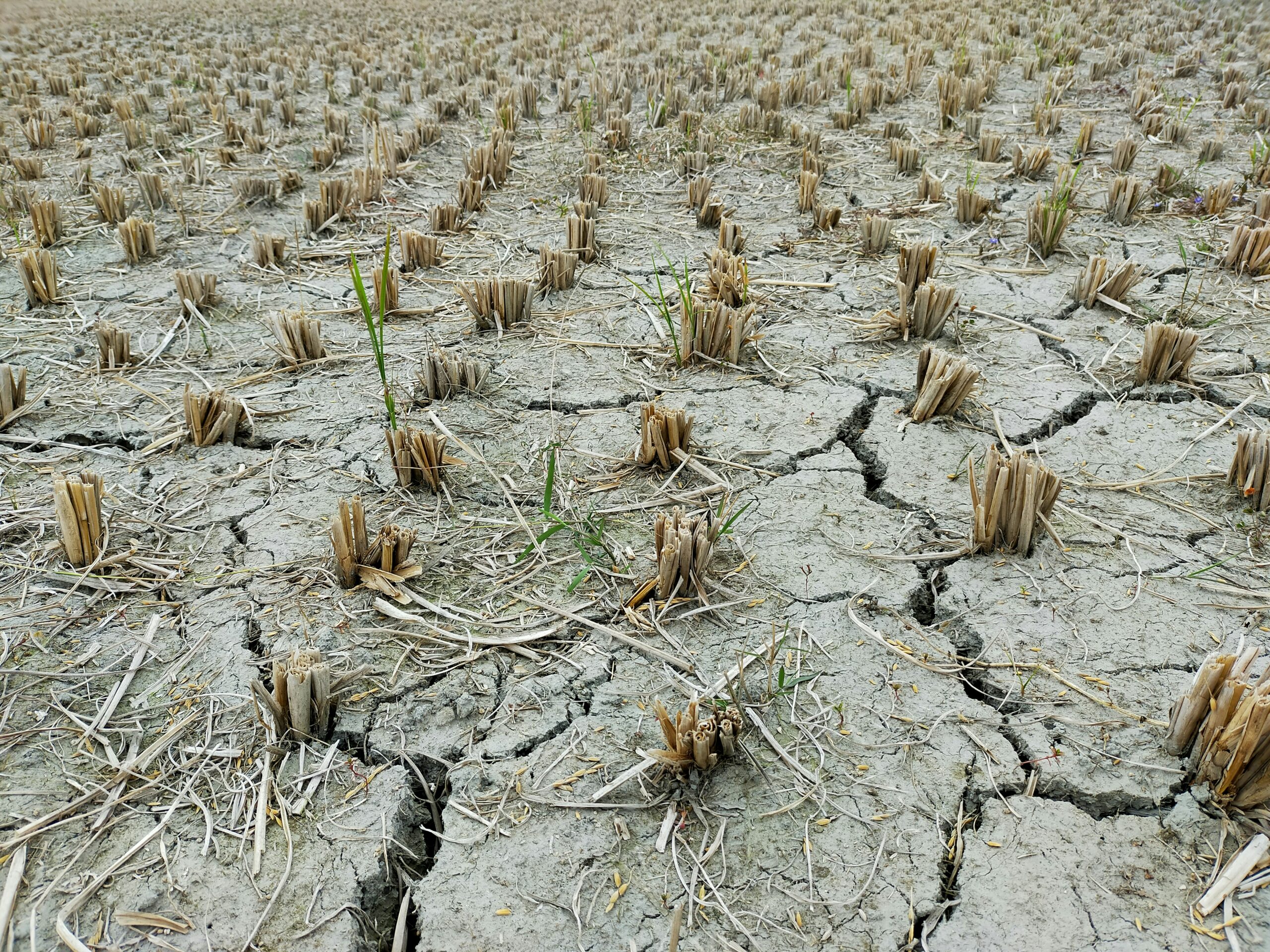
- Climate Variability: Unpredictable weather events, including droughts and flooding, continue to threaten output in major breadbasket regions.
- Trade Restrictions: Export bans and protectionist measures adopted by some countries seeking to secure domestic supply exacerbate global market instability.
Looking ahead, experts caution that volatile market conditions are unlikely to abate quickly. Policy focus must shift towards enhancing local resilience, supporting sustainable agricultural practices, and ensuring that adequate safety nets are in place for the world’s most vulnerable. The marginal price dip in March offers a moment to breathe, but provides little long-term assurance against structural food insecurity.