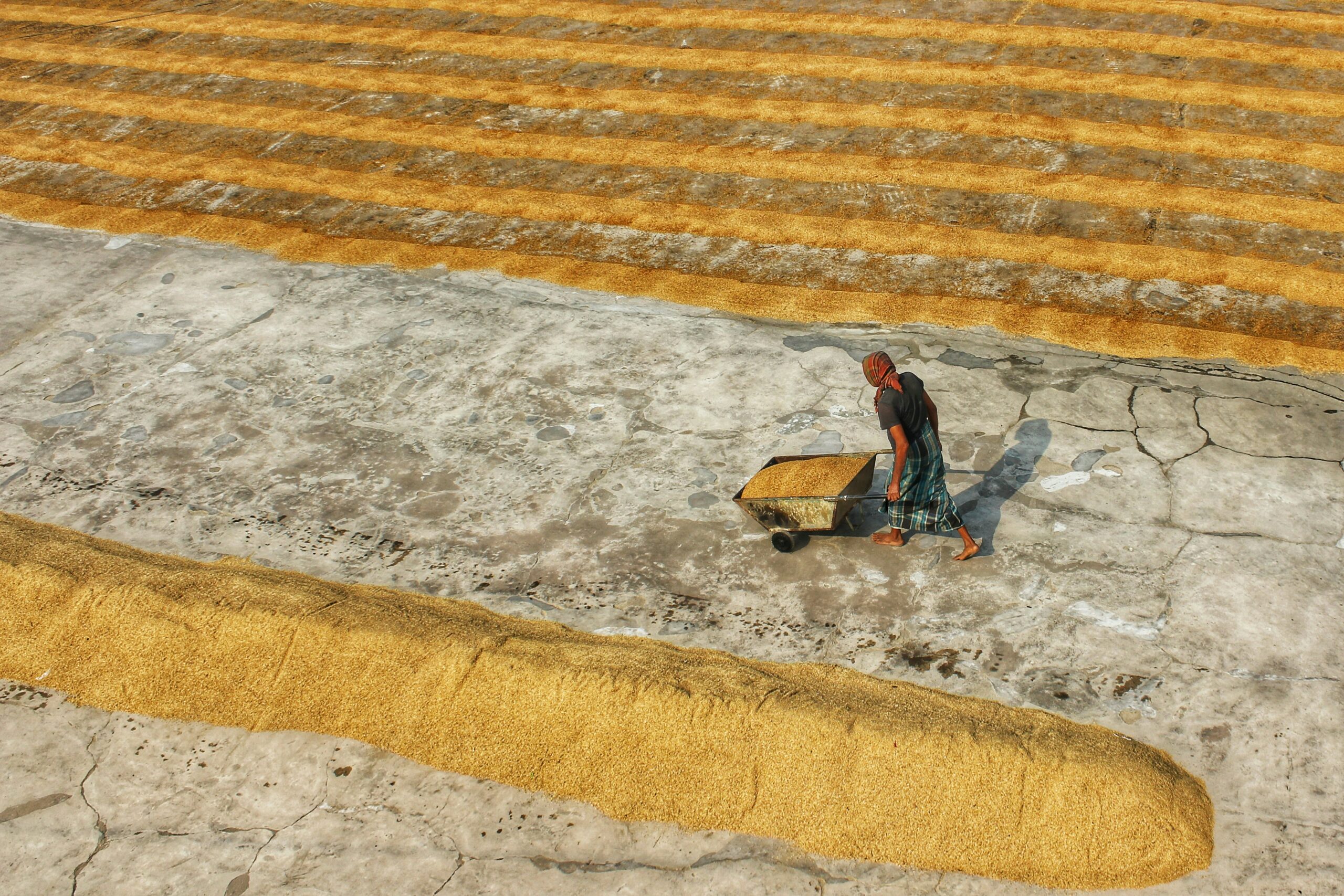
Extreme thermal conditions are increasingly jeopardising global food production and the health of the world’s workforce, according to recent analysis highlighting the growing economic and humanitarian costs of climate change. As unprecedented warming accelerates, experts warn that agricultural yields are faltering and outdoor labourers face severe safety risks, necessitating urgent adaptation strategies across multiple sectors.
The Dual Impact of Rising Temperatures
The primary threat posed by climbing global temperatures is two-fold: reduced agricultural productivity and diminished human work capacity. In the agricultural sector, prolonged heatwaves stress vital crops, leading to significant drops in harvest volumes. Essential staples such as wheat, maize, and rice are proving highly sensitive to spikes above optimal growing temperatures, threatening the food supply chains upon which billions rely. Simultaneously, high temperatures and humidity levels create dangerously hot working environments, particularly for those in outdoor professions like construction, farming, and infrastructure maintenance.
A significant body of evidence suggests that when temperatures exceed the safe biological threshold—often defined by the Wet-Bulb Globe Temperature (WBGT) index—the human body struggles to cool itself effectively. This can lead to heat exhaustion, heat stroke, and, crucially, a measurable decrease in productivity as workers are forced to take frequent breaks or cease work during the hottest parts of the day. Economic modelling indicates that this lost labour time already results in billions of dollars in lost output globally each year, a figure projected to rise substantially without preventative action.
Adapting Farms and Factories to the Heat
Addressing the agricultural challenges requires a multi-pronged approach focused on climate-resilient farming techniques. Researchers and agronomists are working to develop new crop varieties engineered to tolerate higher temperatures and require less water. Precision agriculture, using technology to monitor soil moisture and plant health accurately, allows for more efficient resource allocation, mitigating the impact of climatic stress.
Furthermore, changes in farming practices are proving necessary. Shifting planting and harvesting schedules to avoid peak summer heat, implementing shade nets, and exploring alternative irrigation methods are vital steps being adopted by farmers in vulnerable regions.
For the human workforce, protecting those exposed to excessive heat is critical. Public health organisations stress the importance of mandatory rest breaks, access to cool drinking water, and the provision of adequate shade or cooling facilities. Some countries have begun implementing labour laws that dictate maximum working temperatures or restrict outdoor work hours during extreme heat advisories.
Key Adaptation Strategies Include:
- Agricultural Innovation: Developing drought and heat-tolerant crop strains.
- Infrastructure Investment: Providing cooling centres and rest areas for outdoor workers.
- Policy Implementation: Enforcing stricter health and safety standards for high-temperature work environments.
- Early Warning Systems: Utilising enhanced weather forecasting to issue timely warnings, allowing businesses and farmers to prepare.
Global Economic Implications
The cumulative effect of reduced agricultural output and decreased labour efficiency poses a severe risk to the global economy and exacerbates existing social inequalities. Regions heavily dependent on agriculture and informal outdoor labour, often in the Global South, face the most immediate and intense pressure. Crop failures can drive up food prices, impacting household budgets and potentially contributing to social instability, while reduced work hours translate directly into lower incomes for vulnerable populations.
Experts maintain that immediate, comprehensive action—both in mitigating the causes of climate change and adapting to current realities—is essential. Investing in resilient infrastructure, supporting agricultural research, and prioritising worker health are not just environmental necessities but essential economic safeguards for a warming world. The ongoing challenge is embedding these measures into long-term policy frameworks to ensure global food security and maintain foundational economic output.