Top government officials and delegates from nearly 200 nations converged in Glasgow, Scotland, for the pivotal COP26 climate conference, concluding two weeks of intense negotiations aimed at strengthening global commitments to curb greenhouse gas emissions and limit planetary warming to 1.5 degrees Celsius above pre-industrial levels. The summit, organized under the auspices of the United Nations Framework Convention on Climate Change (UNFCCC), concluded with the adoption of the Glasgow Climate Pact, which, while hailed as a step forward by many, also drew criticism for failing to deliver the radical cuts necessary to avert the worst consequences of climate change. The core objective was to finalize rules for implementing the 2015 Paris Agreement and secure increased financial support for vulnerable developing nations.
The Challenges of 1.5 Degrees
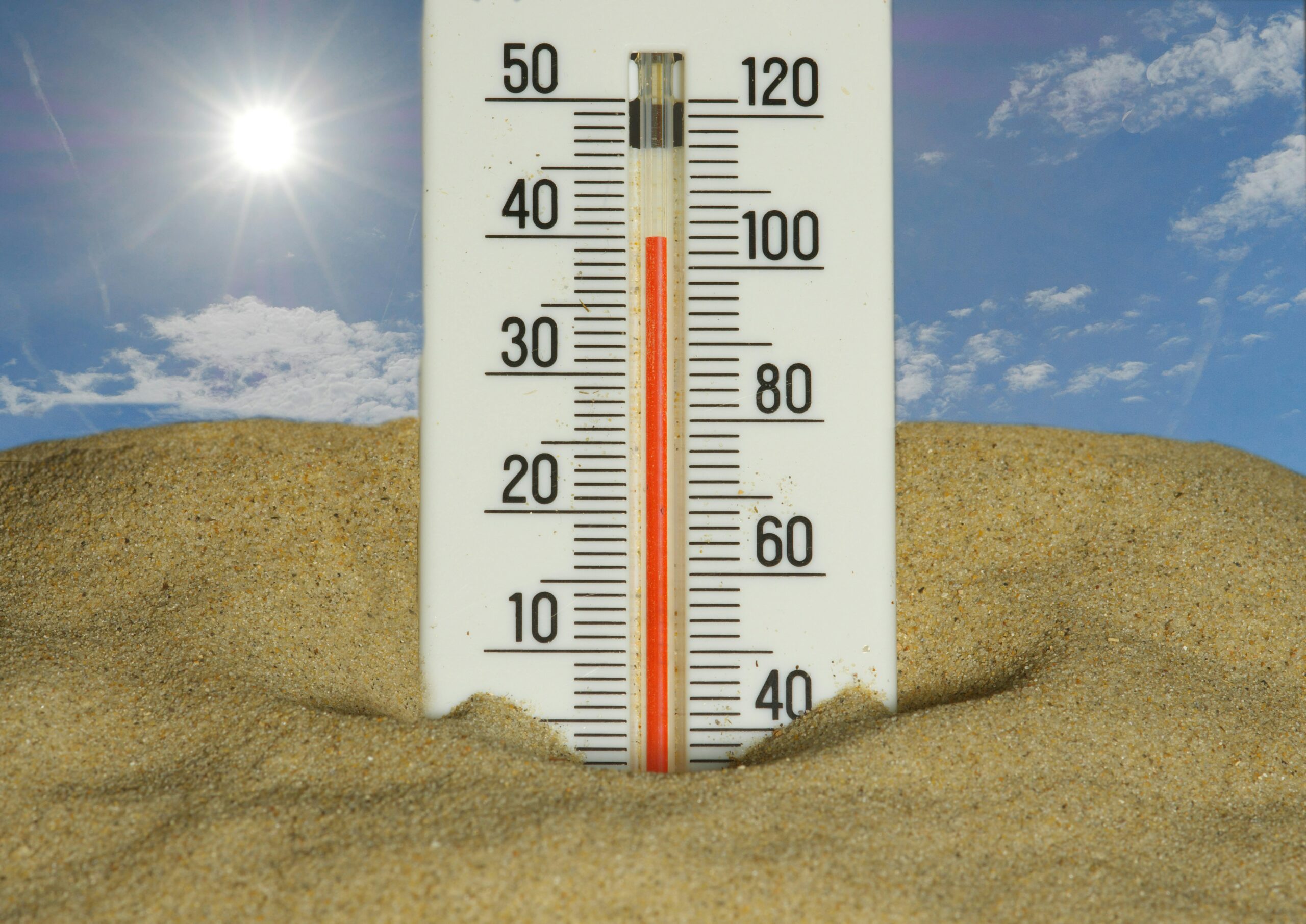
The 1.5°C target, widely recognized by scientists as the critical threshold for minimizing catastrophic impacts, defined the urgency of the conference. Current national pledges, known as Nationally Determined Contributions (NDCs), still fall short, leading the UN to project the world is on track for approximately 2.4°C of warming by the end of the century. This gap between ambition and current action dominated discussions, prompting significant pressure on major emitting countries.
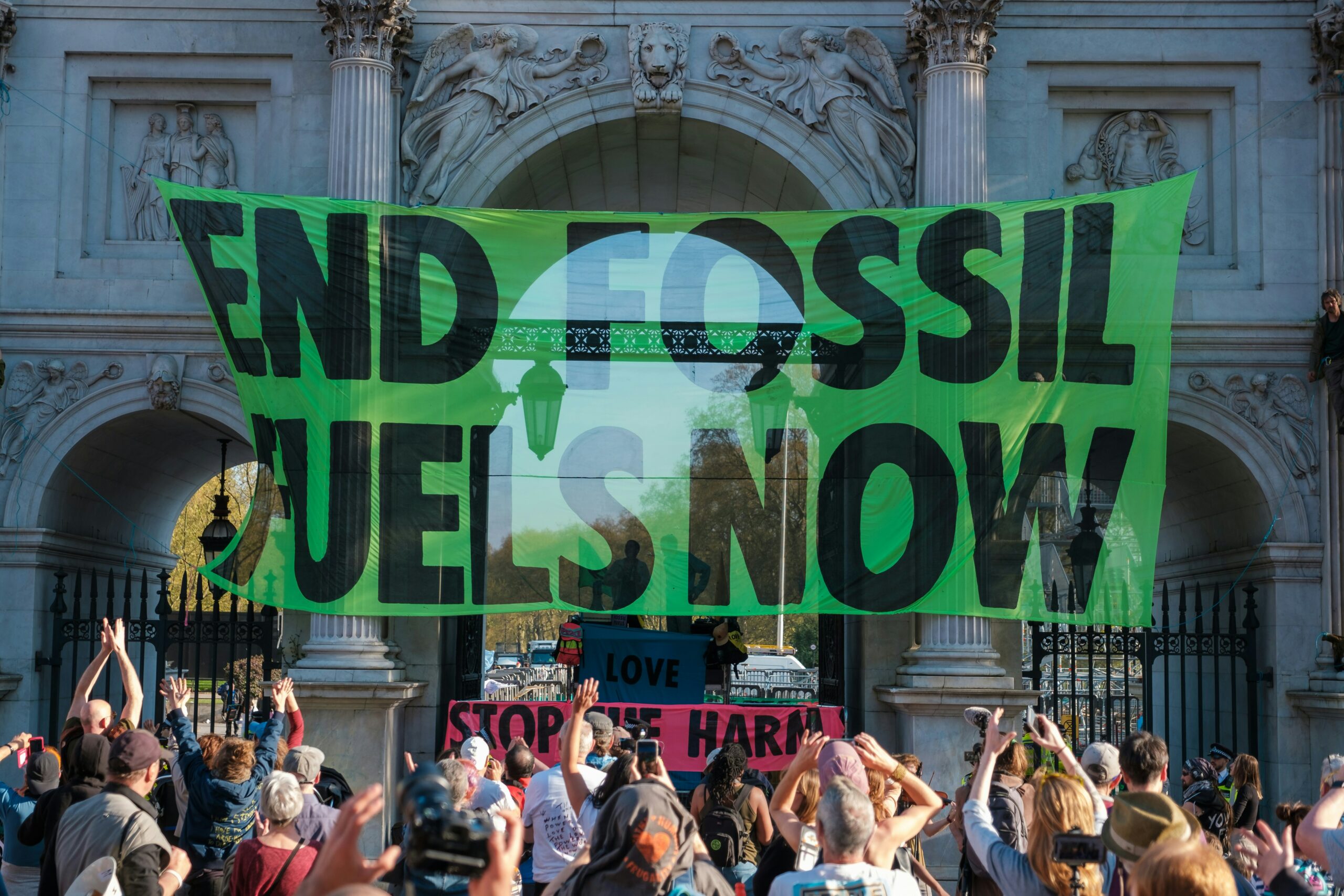
A key development was the unprecedented inclusion of language explicitly targeting fossil fuels. For the first time in a COP decision text, countries agreed to a commitment to “phase down” unabated coal power and “phase out” inefficient fossil fuel subsidies. This phrasing, though watered down from an initial draft which sought a “phase out,” marks a historic recognition of the necessity of transitioning away from coal and other carbon-intensive energy sources.
Financing Climate Resilience
A persistent sticking point remained climate finance. Developed nations reaffirmed their commitment to mobilize $100 billion (£74 billion) annually to help lower-income countries adapt to climate change and transition to clean energy. However, this goal, initially set for 2020, has yet to be fully met. Negotiations secured promises for greater predictability and transparency in funding flows, alongside a pledge to double the share of finance dedicated to adaptation efforts, which are vital for communities already facing floods, droughts, and sea-level rise.
Another significant outcome was the finalization of the technical rules governing international carbon markets, often referred to as Article 6 of the Paris Agreement. This established a framework for countries to trade carbon credits, theoretically lowering the global cost of emissions reduction, though rigorous safeguards are required to prevent “double counting” of reductions.
Looking Beyond Glasgow
While the Glasgow Pact did not entirely close the emissions gap, it established mechanisms to keep the 1.5°C goal within reach, albeit precariously. Crucially, the agreement urges nations to revisit and strengthen their 2030 NDCs by the end of 2022, rather than waiting for the standard five-year review cycle. This accelerated timeline acknowledges the immediate danger of escalating emissions.
Environmental groups and activists expressed mixed sentiment, praising the progress on finance and the explicit mention of coal, but criticizing wealthy nations for not providing deeper emissions cuts or greater urgency on delivering the promised $100 billion. The consensus, however, is that while the conference successfully kept Paris Agreement goals alive, the real work now lies in rapid, verifiable action within individual domestic policies.
As attention pivots to COP27, scheduled for Sharm el-Sheikh, Egypt, the focus will increasingly shift from negotiation to tangible implementation, with accountability for meeting the new, accelerated targets becoming paramount for global climate security.