The interconnected crises of conflict, climate change, and economic instability are collectively driving global food insecurity to unprecedented levels, threatening the lives and livelihoods of hundreds of millions, according to recent analysis from multiple aid agencies. This severe escalation in hunger requires immediate, coordinated humanitarian response and shifts in global policy to address the root causes of famine and undernutrition worldwide.
The Complex Roots of Rising Food Insecurity
While localized droughts and crop failures have historically contributed to regional hunger spikes, the current crisis is distinguished by the simultaneous pressure exerted by geopolitics and widespread economic distress. Supply chain disruptions, exacerbated by conflicts like the ongoing war in Ukraine—a major supplier of both wheat and fertilizer—have sent global commodity prices soaring. For vulnerable nations already grappling with internal conflict or extreme weather events, these price hikes often place staple foods out of reach for the poorest families.
Data suggests that the number of people facing acute food insecurity—defined as Phase 3 or higher on the Integrated Food Security Phase Classification (IPC) scale—is rapidly approaching pre-pandemic highs, with regions in the Horn of Africa and parts of the Sahel particularly devastated. Recurring cycles of drought, directly linked to climate change, have left agricultural lands barren and livestock decimated, forcing mass displacement.
“What we are witnessing is not just a shortage of food, but a systemic failure to protect the most vulnerable from cascading socio-economic shocks,” explains Dr. Amina El-Ghani, a senior economics analyst focused on sustainable development. “When external shocks, like high energy costs or political instability, intersect with local environmental fragility, the safety net collapses entirely.”
Beyond Calories: The Impact on Health and Development
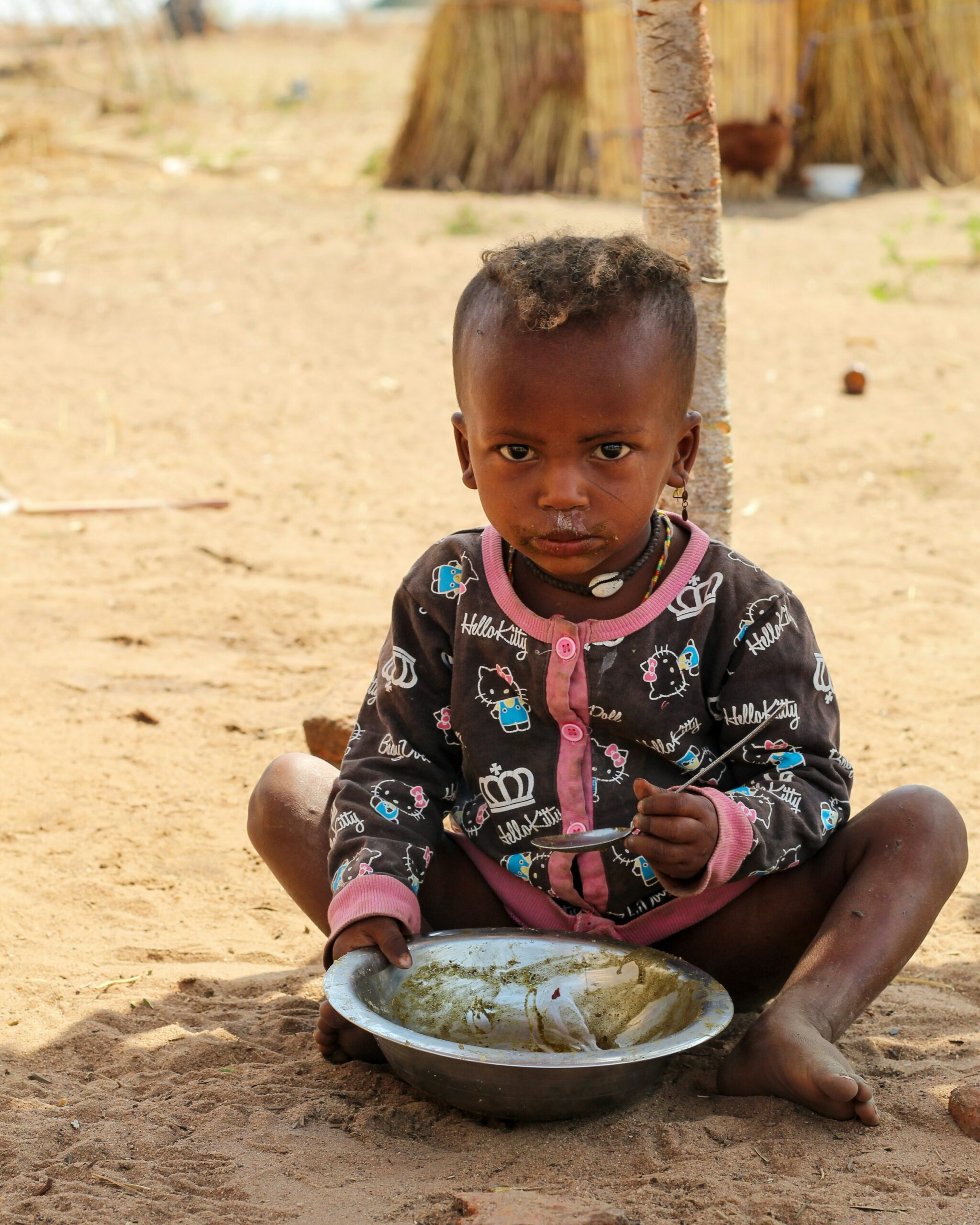
The implications of sustained acute hunger extend far beyond simple calorie deficits. Malnutrition, particularly among children under the age of five, poses a significant threat to long-term physical and cognitive development. Severe acute malnutrition (SAM) requires specialized therapeutic feeding programs, which are often strained or inaccessible in remote conflict zones.
Aid organizations are focusing efforts on scaling up targeted interventions in the most affected areas, including:
- Emergency Food Aid: Distributing immediate, life-saving rations and cash transfers to prevent starvation.
- Nutritional Support: Providing ready-to-use therapeutic food (RUTF) for severely malnourished children.
- Agricultural Resilience: Investing in drought-resistant crops and sustainable water management techniques to help local communities withstand future climate shocks.
However, humanitarian groups face significant funding gaps and logistical challenges, including restrictions on movement and safety concerns, when attempting to reach internally displaced populations.
A Call for Greater Global Investment
Addressing this escalating crisis demands more than short-term emergency funding; it requires structural changes and sustained global commitment. Experts emphasize the necessity of early warning systems and proactive financing mechanisms that trigger aid dispersal before a regional food crisis becomes a catastrophe.
Furthermore, stabilizing global markets and prioritizing diplomatic solutions to ongoing conflicts are crucial steps toward easing supply chain pressures. If the international community fails to act swiftly and decisively, the current food crisis risks triggering widespread instability, mass migration, and a generation of profound human suffering, particularly in fragile states highly susceptible to climate and conflict volatility. The cost of inaction far outweighs the investment needed to secure global food security now.