The global transition to electric vehicles (EVs) appears to be hitting a significant speed bump, with data indicating a marked slowdown in consumer adoption across key international markets as high price points and charging infrastructure concerns persist.
The rapid ascent of the electric vehicle market, once viewed as an unstoppable force reshaping the automotive industry, is moderating amid growing economic headwinds and sustained high costs that are making drivers reconsider the switch. While manufacturers have invested billions in new models and expanded production, sales growth rates have recently tapered off, suggesting a temporary — or perhaps longer-term — reluctance among mainstream buyers. This shift presents a challenge for governments and carmakers aiming to meet aggressive climate targets predicated on widespread EV uptake.
Unpacking the Hesitation: Price and Infrastructure Woes
Analysis of recent sales figures from major international markets, including Europe and North America, reveals that the initial cohort of early adopters has largely been saturated. The next wave of potential customers is demonstrating greater price sensitivity. The average cost of a new electric vehicle remains substantially higher than its comparable petrol-powered counterpart, even with government incentives factored in.
“The primary barrier to mainstream adoption is cost parity,” explained industry analyst Dr. Eleanor Vance during a recent transportation conference. “Until the bill for an equivalent EV and internal combustion engine car is similar, we will see sustained hesitancy from the average household. They are balancing the desire for sustainability against immediate financial realities.”
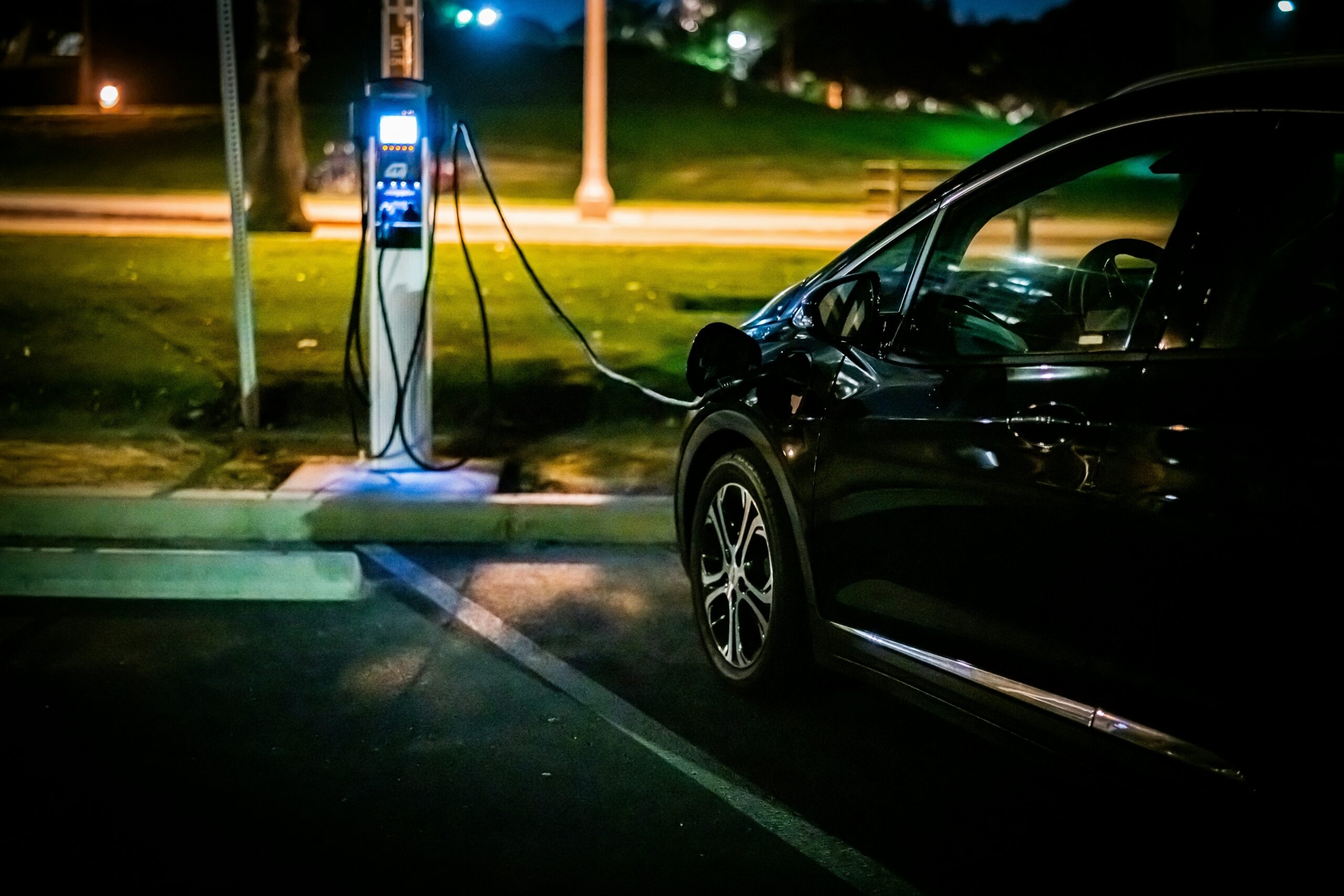
Beyond the sticker price, consumers consistently point to the charging experience as a major deterrent. While public charging networks are expanding, their reliability, availability in rural areas, and speed often fall short of consumer expectations for seamless travel. Range anxiety—the fear of a battery running out before reaching a charging station—remains a powerful psychological barrier.
Automakers Adjust Production Strategy
In response to the softening demand, several prominent automotive giants are beginning to recalibrate their manufacturing and rollout strategies. Instead of aggressive, immediate shifts to all-electric line-ups, some companies are now focusing on a more balanced portfolio that includes plug-in hybrids (PHEVs) and enhanced traditional hybrids.
This strategic pivot allows manufacturers to capitalize on consumers who want better fuel efficiency and lower emissions without committing fully to the current constraints of pure battery-electric vehicles. It also buys time for critical technological advancements, particularly in battery chemistry, which aims to lower production costs and increase energy density—meaning smaller, cheaper batteries with longer ranges.
Key Factors Driving the Slowdown:
- High Initial Costs: EVs remain premium purchases, alienating budget-conscious buyers.
- Interest Rate Impact: Higher borrowing costs increase the expense of financing a new vehicle purchase.
- Infrastructure Gaps: Insufficient public charging availability and reliability, especially on long journeys.
- Slower Charging Speeds: Consumers are unwilling to wait significantly longer for “refueling” compared to petrol stations.
The Path Forward: Affordability and Accessibility
For the EV market to regain its momentum and achieve mass adoption, experts suggest a dual focus on lowering manufacturing costs and dramatically improving ubiquitous charging access. Governments may explore additional incentives targeting lower-income households, and regulatory bodies must pressure utility companies and developers to build out robust, reliable charging corridors.
While the current EV transition is facing a difficult patch, most analysts concur that the move away from fossil fuels is inevitable. This current slowdown serves as a crucial feedback moment, signaling that technology alone is not enough; the solution must also be affordable and convenient for the everyday driver. Over the next five years, the industry will focus intently on mastering those two critical challenges.