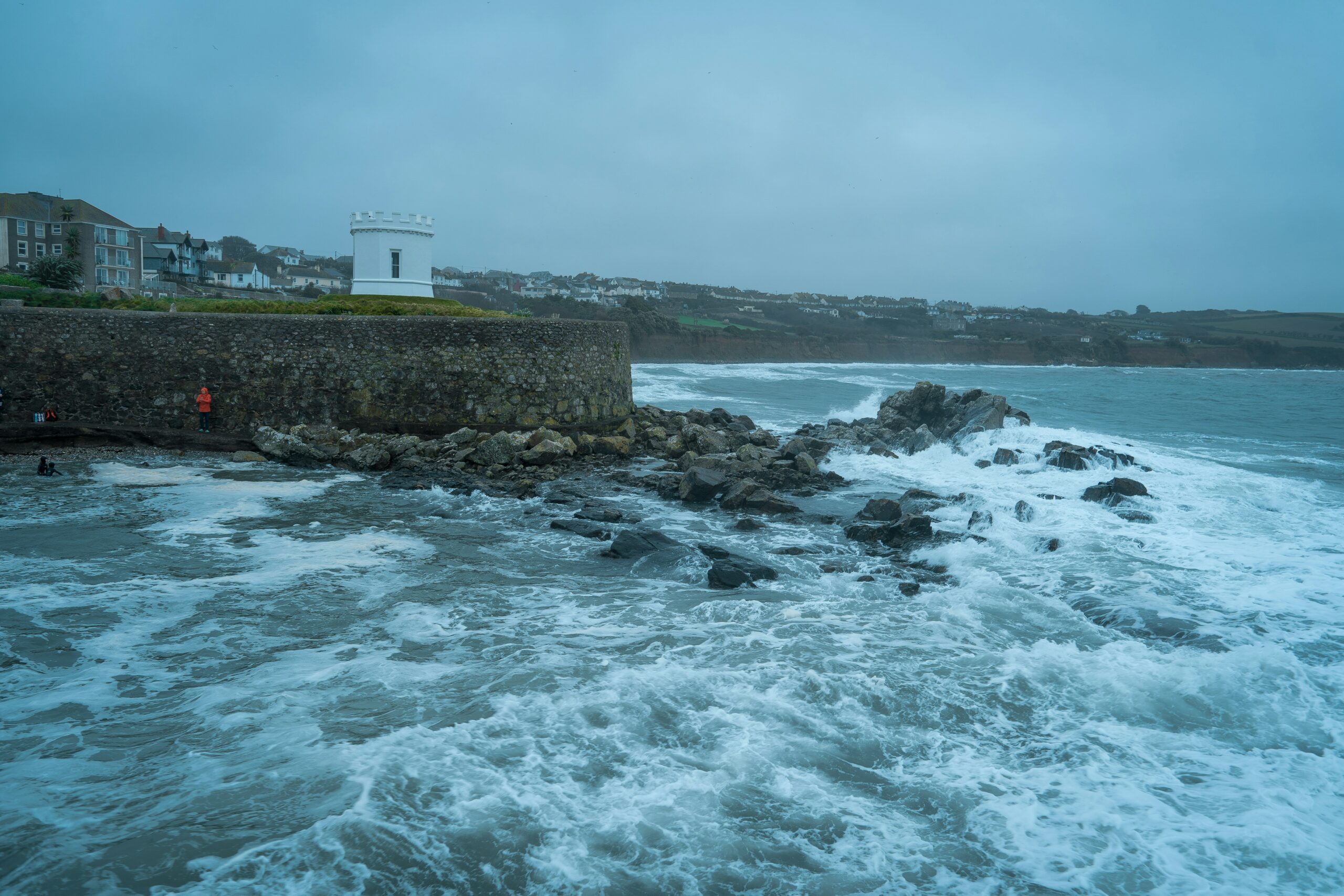
A new analysis by environmental scientists indicates a significant and increasing risk of coastal flooding across the UK, driven primarily by rising sea levels and more intense storm surges. Experts warn that current flood defenses may prove insufficient against projected climate shifts, necessitating urgent preparatory measures by both national agencies and local residents.
Climate Change Accelerates Coastal Vulnerability
The threat to the UK’s coastline is intensifying faster than previously modeled, according to recent findings from the National Oceanography Centre (NOC) and environmental agencies. While tidal variations have always posed a risk, the combination of thermal expansion of seawater and meltwater from ice sheets has permanently elevated baseline sea levels. This means that regular winter storms now produce higher water marks than they did decades ago, encroaching on previously safe areas.
Data suggests that by 2050, the frequency of extreme sea level events—currently expected once per century—could increase tenfold in many low-lying coastal regions, including parts of East Anglia, the Thames Estuary, and areas around the Bristol Channel. The impact spans beyond densely populated port cities, threatening agricultural land, crucial infrastructure like power stations and transport links, and smaller residential communities.
Professor Eleanor Vance, a leading climate resilience specialist at the University of Southampton, emphasizes the scale of the challenge. “It’s no longer about reinforcing old walls; it’s about a paradigm shift in how we inhabit and protect our coastlines,” she explains. “We need comprehensive strategies that blend natural defenses, like restoring saltmarshes, with engineering solutions.”
Resilience Strategies for At-Risk Communities
The government has earmarked billions for strengthening existing sea defenses. However, authorities are now stressing the importance of community-level preparedness, arguing that infrastructure alone cannot mitigate all risk.
Coastal residents are strongly encouraged to assess their personal risk and take practical steps before a major incident occurs.
Key preparatory actions include:
- Checking Flood Alerts: Registering with the Environment Agency’s free flood warning service to receive immediate alerts via phone, email, or text.
- Creating a Flood Plan: Establishing clear evacuation routes, agreeing on meeting points, and preparing an emergency kit containing essential documents, medication, and non-perishable food.
- Property Resilience Measures: Installing flood barriers for doors and windows, moving valuable items to higher floors, and considering flood-resilient materials (such as water-resistant plaster) during home renovations.
Local councils are also reviewing long-term planning, with discussions underway regarding potential managed realignment—a strategy where limited areas are deliberately allowed to flood to protect more critical land masses elsewhere.
Broader Economic and Environmental Implications
The long-term implications of increased coastal flooding extend into the economy and national conservation efforts. Disruptions to major ports and coastal supply chains could cost the national economy billions annually. Furthermore, rising saltwater intrusion is damaging delicate freshwater ecosystems and potentially contaminating coastal drinking water supplies.
Policymakers face the difficult task of balancing the protection of historically valuable, but exposed, assets with the financial realities of defending every inch of the coastline. The urgency of these findings highlights the need for immediate, proactive investment in future-proofed climate adaptation measures that prioritize sustainable defense mechanisms over temporary fixes, ensuring the safety and stability of UK coastal communities for future generations.