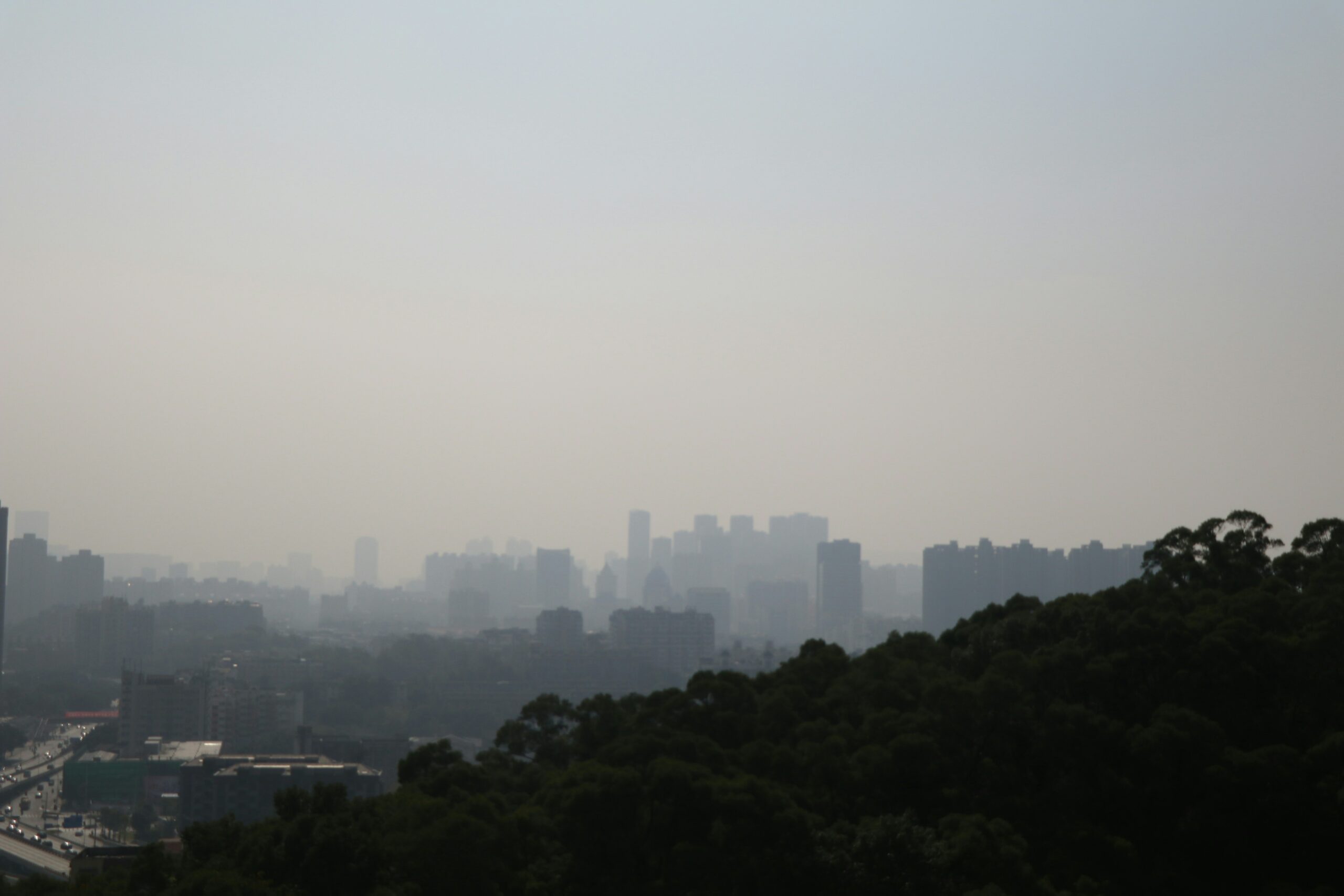
A pervasive layer of wildfire smoke, carried across continents by atmospheric currents, is exposing millions of people to toxic fine particulate matter, according to recent air quality monitoring data and environmental health reports. This escalating phenomenon, intrinsically linked to the growing severity and frequency of global mega-fires, presents a substantial public health threat far beyond the immediate vicinity of the blazes.
While the immediate devastation of wildfires—loss of homes, land, and biodiversity—dominates headlines, the long-term, far-reaching impact of smoke pollution demands urgent attention. Health experts are increasingly warning about the invisible danger posed by PM2.5, microscopic particles in smoke small enough to penetrate deep into the lungs and even the bloodstream.
The Invisible Migration of Toxic Air
The problem has evolved from a seasonal, regional crisis to an almost year-round global complication. Regions historically shielded from direct risk are now routinely experiencing hazardous air quality days due to smoke transported hundreds or even thousands of miles. For instance, smoke originating from protracted fire seasons in the Western United States has repeatedly been detected degrading air quality in major metropolitan areas on the East Coast and even Western Europe. Similarly, fires in the Arctic Circle and the Amazon rainforest contribute to regional and sometimes intercontinental pollution clouds.
Dr. Anya Sharma, a leading atmospheric chemist studying long-range transport, explains the mechanism: “High-altitude jet streams essentially act as massive pollution highways. The smallest smoke particles can remain suspended for weeks, maintaining their toxicity as they travel. This means populations seemingly safe from the fires are still breathing air laced with carbon monoxide, volatile organic compounds, and heavy metals.”
Significant Health Risks Beyond Respiration
While respiratory issues—such as asthma attacks, bronchitis, and reduced lung function—are the most immediate effects, emerging research suggests a broader range of systemic health impacts. Studies indicate a correlation between extended smoke exposure and increased risk of cardiovascular problems, including heart attacks and strokes. Pregnant women, children, and the elderly are disproportionately vulnerable.
Furthermore, recent findings have linked persistent exposure to wildfire smoke to adverse neurological effects and mental health challenges. The stress and anxiety associated with prolonged poor air quality, coupled with the physical symptoms, create a compounded health burden.
Protecting Yourself During Smoke Events
In areas affected by ambient smoke, public health officials recommend proactive measures to mitigate exposure:
- Monitor Air Quality: Check local Air Quality Index (AQI) reports regularly. An AQI above 100 (Unhealthy for Sensitive Groups) warrants caution.
- Create Clean Air Zones: Use high-efficiency particulate air (HEPA) filters indoors. Avoid relying solely on standard air conditioning units, which do not effectively filter PM2.5.
- Limit Outdoor Activity: Reduce strenuous exercise and stay indoors when AQI levels are high, keeping windows and doors closed.
- Proper Masking: If outdoor exposure is unavoidable, wear an N95 respirator mask correctly; cloth and surgical masks offer little protection against PM2.5.
Policy and Global Implications
Addressing this issue requires a multi-pronged approach that extends beyond immediate firefighting. Experts advocate for accelerated efforts in climate change mitigation—the primary driver of severe fire weather—and enhanced international collaboration on air quality monitoring and data sharing.
The financial toll is also massive. Beyond the direct costs of fighting fires and treating acute illnesses, the economic impact includes lost productivity, reduced tourism, and long-term healthcare expenses associated with chronic conditions developed from exposure.
As climate change continues to fuel hotter, drier conditions globally, the pervasive threat of wildfire smoke is cementing its place as a significant 21st-century environmental health challenge, requiring systemic societal and governmental responses to safeguard public well-being.