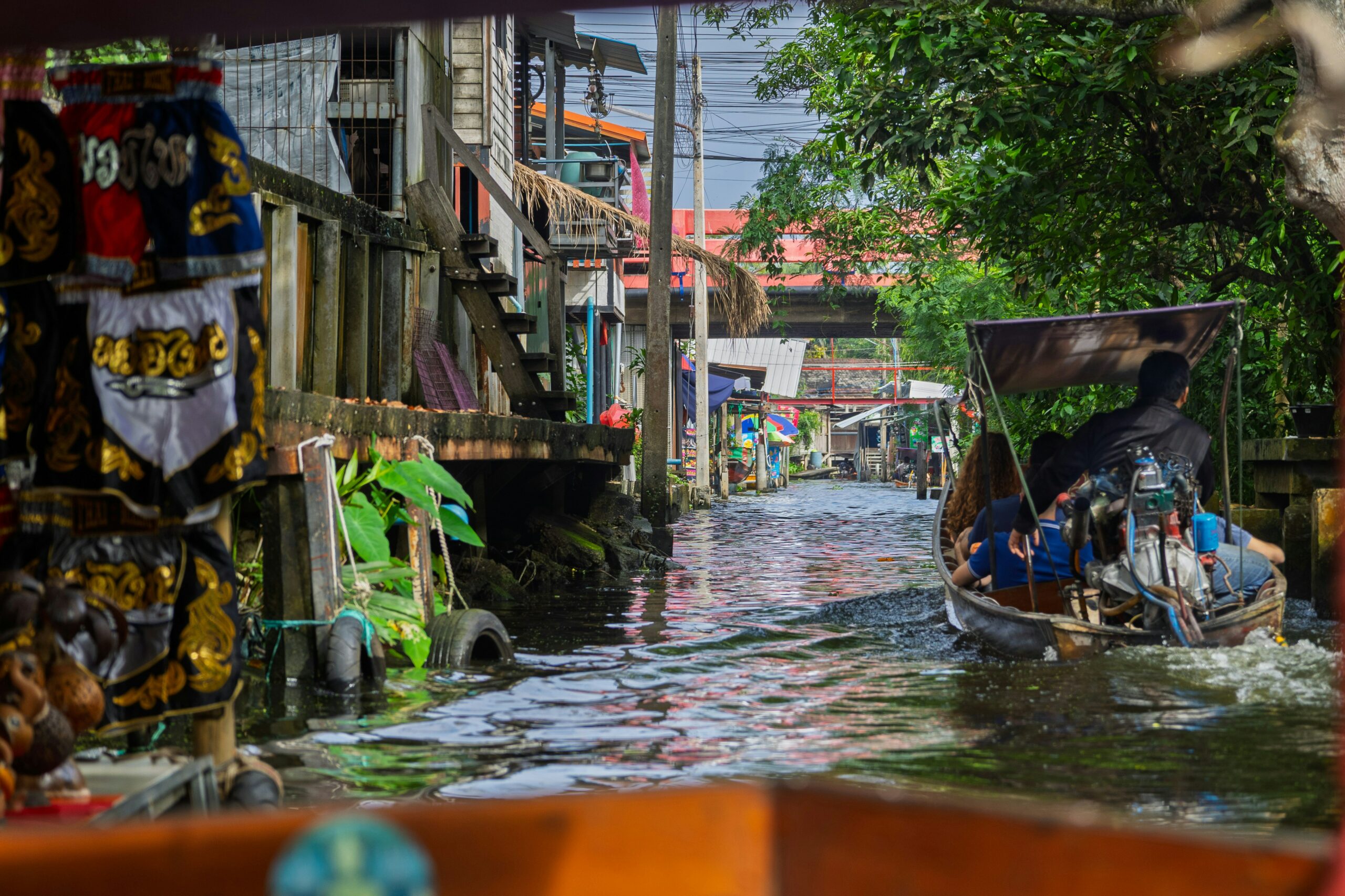
Heavy rainfall associated with a developing tropical storm has triggered devastating flash floods across large swathes of Southeast Asia this week, displacing thousands and causing significant infrastructural damage, authorities confirmed Wednesday. The deluge, concentrated primarily in coastal and low-lying regions of Vietnam, Thailand, and the Philippines, has strained emergency services and raised concerns about agricultural losses and the long-term impact on local economies already grappling with extreme weather patterns.
Unprecedented Rainfall Overwhelms Coastal Defences
Meteorological agencies reported that the intensity and duration of the downpour were largely unprecedented for this time of year, transforming normally dry riverbeds into raging torrents. In central Vietnam, where the storm made initial landfall, government officials detailed how several districts were submerged under metres of water, isolating communities. Rescue operations are now underway, utilizing helicopters and motorized rafts to evacuate residents trapped by the rapidly rising waters.
The flooding has underscored regional vulnerabilities to climate-related catastrophes. While the Southeast Asian monsoon season routinely brings heavy rain, experts suggest that intensifying tropical systems—fueled by warmer ocean temperatures—are increasing both the frequency and severity of these events.
“What we are observing is a significant shift in extreme weather behavior,” said Dr. Anya Sharma, a climate vulnerability specialist based in Singapore. “Infrastructure built decades ago simply cannot handle the volume of water delivered by these enhanced storms. We need urgent investment in climate-resilient public works and updated early warning systems across the region.”
Widespread Damage Strains Emergency Response
The cascading effects of the storm extend beyond immediate safety concerns. Preliminary assessments in the Philippines indicate severe disruption to the power grid and telecommunications networks, complicating relief efforts. Key transport routes, including major highways and regional airports, have been temporarily closed due to landslides and water intrusion, hindering the delivery of essential supplies such as food and medicine.
Agricultural communities, vital to the region’s food security, have borne a disproportionate impact. Rice paddies and cash crops in affected areas are reportedly destroyed, signalling potential shortages and economic hardship for impoverished farming families in the coming months. Governments are now accelerating the release of emergency aid packages and deploying military units to assist local relief efforts.
Key Impacts Reported Across the Region:
- Displacement: Tens of thousands of residents moved to temporary evacuation centres.
- Infrastructure Loss: Extensive damage to roads, bridges, and power lines.
- Agricultural Destruction: Significant loss of key seasonal crops, threatening local economies.
- Health Concerns: Increased risk of waterborne diseases in submerged areas.
Humanitarian Challenge and Future Adaptation
The collective response across Southeast Asia highlights the need for international cooperation to manage large-scale climate disasters. The United Nations Office for the Coordination of Humanitarian Affairs (OCHA) has pledged assistance, focusing on providing shelter, sanitation kits, and immediate food aid to the most affected populations.
As recovery efforts begin, the focus will inevitably turn toward climate adaptation strategies. Experts emphasize that simply rebuilding existing infrastructure is insufficient. Future resilience requires comprehensive urban planning that incorporates natural defenses, such as mangrove restoration and enhanced flood control mechanisms, alongside stronger legal protections for settlements located in high-risk zones.
The current crisis serves as a stark reminder of the accelerating consequences of global warming, demanding a unified commitment from regional governments to safeguard their populations against increasingly volatile weather patterns.