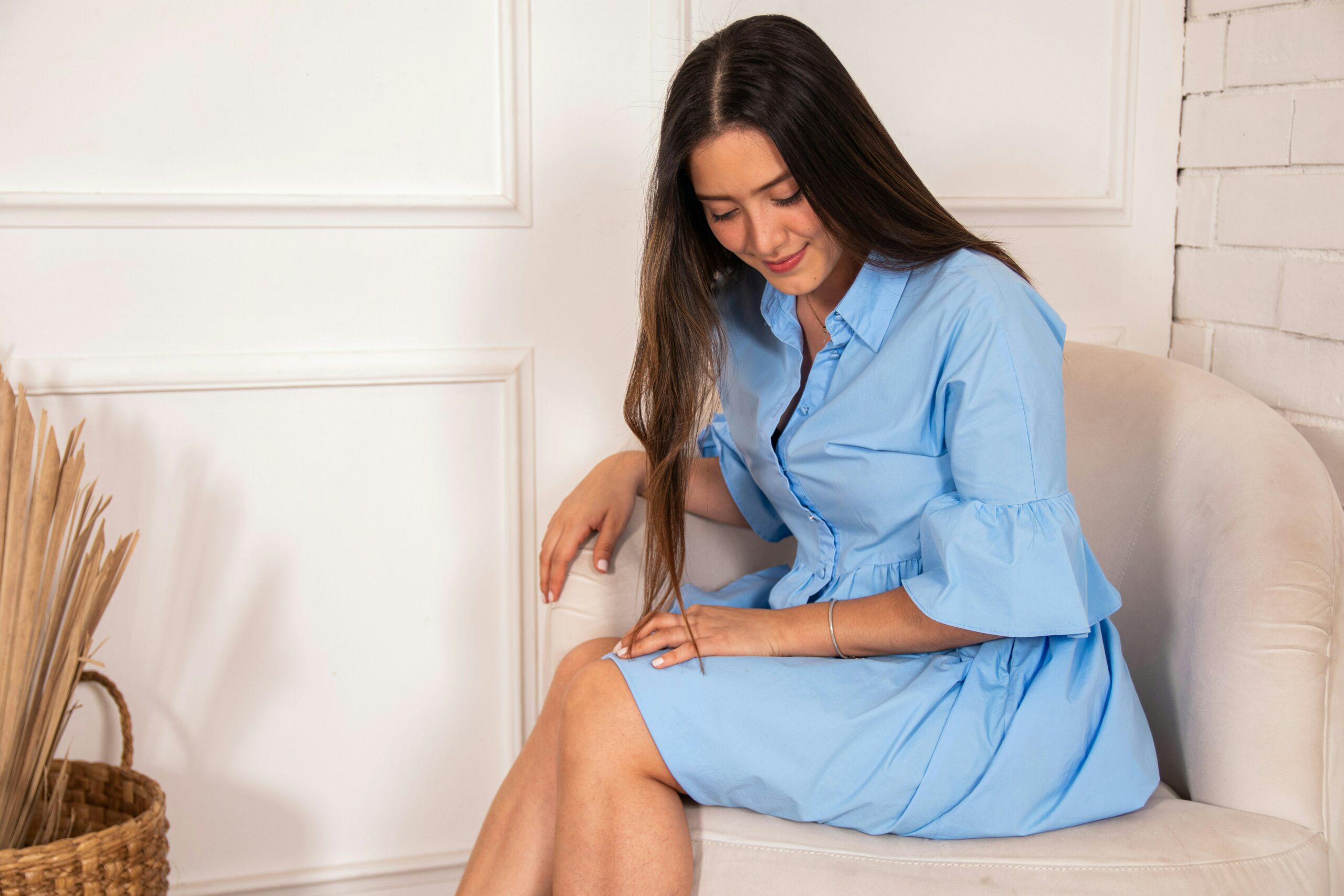
Taiwanese media personality Nana Liang, widely recognized as a former “Kuo Kuang Goddess,” announced Thursday a highly personal medical decision, revealing she recently underwent a hysterectomy after years of battling debilitating menstrual pain caused by a serious, long-term misdiagnosis. Liang, formerly known as the ex-girlfriend of celebrity King Kong, shared the news on her social media platforms, providing followers with insights into the challenging journey that led her to have her uterus removed to protect her long-term health.
The revelation centers on the complex difference between two common uterine conditions. Liang explained that for several years, doctors had incorrectly informed her that she was suffering from uterine fibroids, a non-cancerous growth that can often be treated by simply excising the fibroid itself. However, recent, more intensive testing revealed the true diagnosis: adenomyosis, a condition where the tissue lining the uterus grows into the muscular wall. While fibroids can be surgically removed, adenomyosis is characterized by notoriously difficult symptoms and, in severe cases, the definitive cure is a full hysterectomy.
Swift Action and Emotional Acceptance
In a decisive move, Liang sought consultation at a larger medical facility last month. Upon receiving the confirmed diagnosis and understanding the severity of her condition, she made an immediate decision. The surgery was scheduled and performed that same afternoon.
“I didn’t feel happy or unhappy about this; I didn’t have much emotion,” Liang wrote, detailing her pragmatic approach. “I dealt with it decisively because I still have many things I want to do, and I need a healthy body. If you encounter something, you face it.” She further viewed the procedure as a positive beginning to 2024, expressing gratitude for her own resolve and courage. The necessity for the Hysterectomy stemmed from the condition’s potential to dramatically reduce her quality of life and create severe chronic pain.
While the surgery itself was deemed successful, the recovery phase has presented substantial difficulties. Liang faces a rare challenge due to severe allergies to multiple common medications. This allergy profile dramatically limited the analgesic options available post-operatively, leading to intense pain management struggles. She admitted that the brief moments when nurses administered pain injections were the sole solace during the initial recovery days.
Confronting Psychological and Physical Scars
Beyond the physical hardship, the decision to undergo a hysterectomy triggered a profound period of self-reflection. Liang openly shared the psychological impact, admitting she momentarily questioned her identity, asking, “Am I an incomplete woman without a uterus?”
She quickly regained her perspective, concluding that one’s spirit and essence are not confined by physical anatomy. This powerful affirmation highlights the importance of mental resilience when facing major life changes, especially those involving reproductive health.
Liang’s candid disclosure brings critical attention to the sometimes-blurred lines between uterine fibroids and diffuse adenomyosis, conditions that require vastly different therapeutic strategies. Her experience underscores the vital need for thorough, advanced diagnostic testing when initial treatments for chronic pelvic pain fail to provide relief. For many women facing similar diagnoses, her story offers a beacon of empowerment, emphasizing the importance of prioritizing health and making difficult choices to secure a pain-free future.