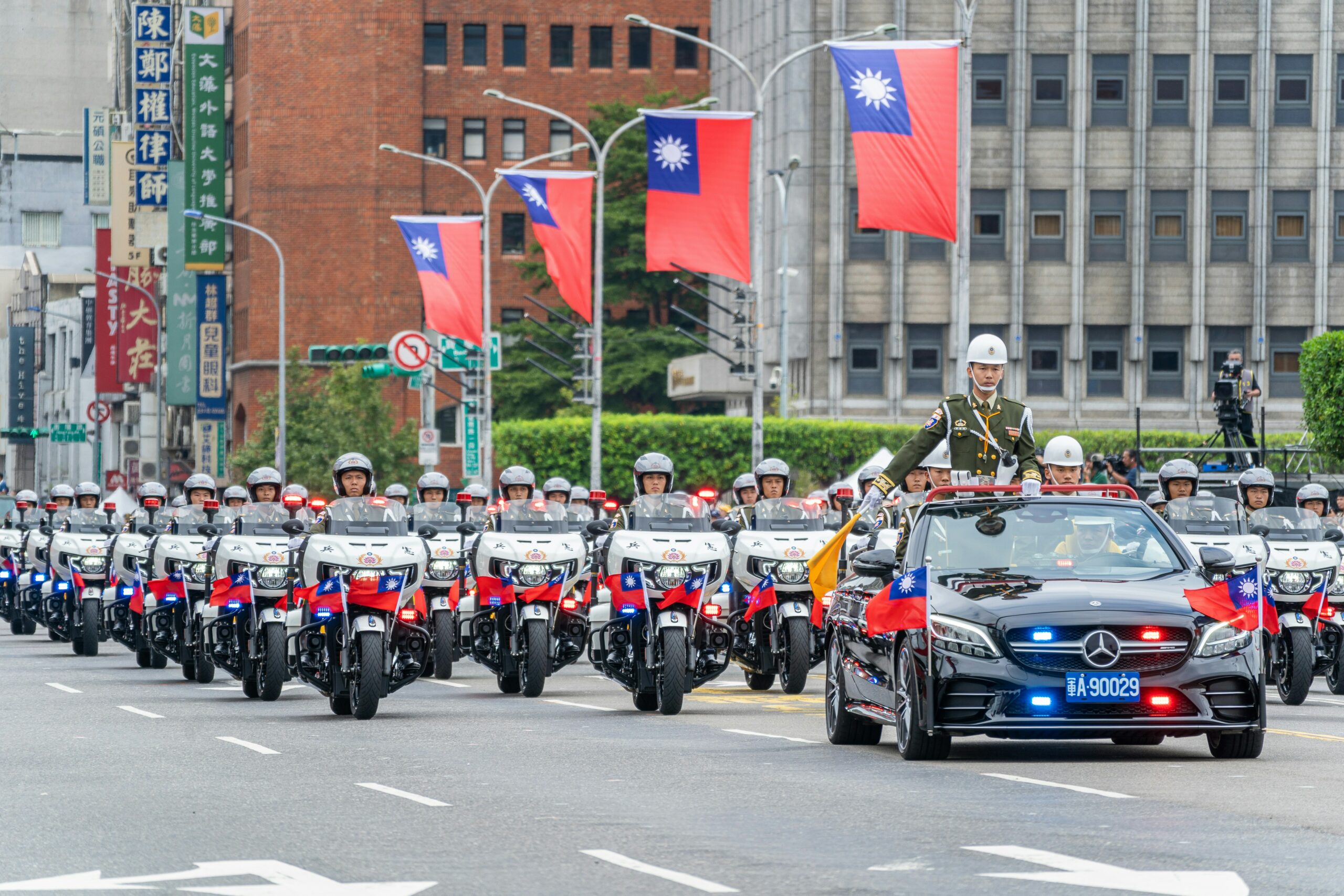
TAIPEI – A major investigation into alleged violations of Taiwan’s conscription laws has resulted in the indictment of 12 individuals, including several high-profile entertainment and sports figures. The case, which dominated headlines last year, centers on accusations that the individuals improperly circumvented compulsory national military service.
The list of those formally charged under the Act for Offenses Against Military Service includes renowned actor Bolin Chen, fellow actor Xiu Jiekai, former “Lollipop” boyband member Liljay (Liao Yun-chieh), and two members of the popular Mandopop group Energy, Hsieh Kun-da and Chang Shu-wei. The indictments signal a significant legal escalation in the government’s effort to uphold the fairness and integrity of Taiwan’s mandatory military service system, which requires eligible male citizens to serve for a set period.
Fallout and Public Scrutiny
The legal proceedings have had immediate and visible consequences for those involved, particularly in the notoriously demanding Taiwanese entertainment industry. Actor Xiu Jiekai, known for his roles in dramas and films, reportedly paused his professional commitments amid the legal pressure.
Despite the ongoing investigation, Xiu recently drew considerable public attention after traveling to Chengdu, China, accompanying his wife, actress Alyssa Chia, who was filming a new project there. The couple’s decision to travel sparked immediate online speculation regarding the status of the charges against him.
“Has Xiu Jiekai’s issue been resolved? Is he allowed to leave the country now?” one netizen commented, reflecting widespread public confusion about the legal complexities of the case. Another queried: “Has the matter of her husband’s military service been settled?”
The public discourse was amplified when the couple was photographed visiting a popular local noodle shop. While some praised the pair for being “down-to-earth,” the underlying questions about the military evasion scandal remained a key focus, highlighting how closely the private actions of public figures are scrutinized when facing serious legal allegations.
Context of Conscription Laws
Taiwan maintains a system of mandatory conscription, a foundational policy driven by both geopolitical necessity and national defense strategy. While the duration of mandatory service has been shortened over the years—currently standing at four months of fundamental training for those performing replacement service or an increased duration for combat roles—stricter enforcement has become a priority.
The law includes provisions allowing individuals to extend or defer their service for specific reasons, such as attending university or undergoing recognized medical treatment. However, the current indictments suggest prosecutors believe the defendants engaged in unlawful manipulation of these rules to avoid or unduly delay their obligations. The Act for Offenses Against Military Service carries potential penalties ranging from fines to imprisonment, depending on the severity of the offense and the intent proven.
The cases against these 12 prominent figures are likely to be closely watched by the legal community and the public. Beyond the immediate legal fate of the celebrities, the resolution of this scandal will set a powerful precedent regarding accountability and the enforcement of national duties for all Taiwanese citizens, regardless of their social standing or public fame. These prosecutions underscore that even those in the highest echelons of professional success are not exempt from national obligations.