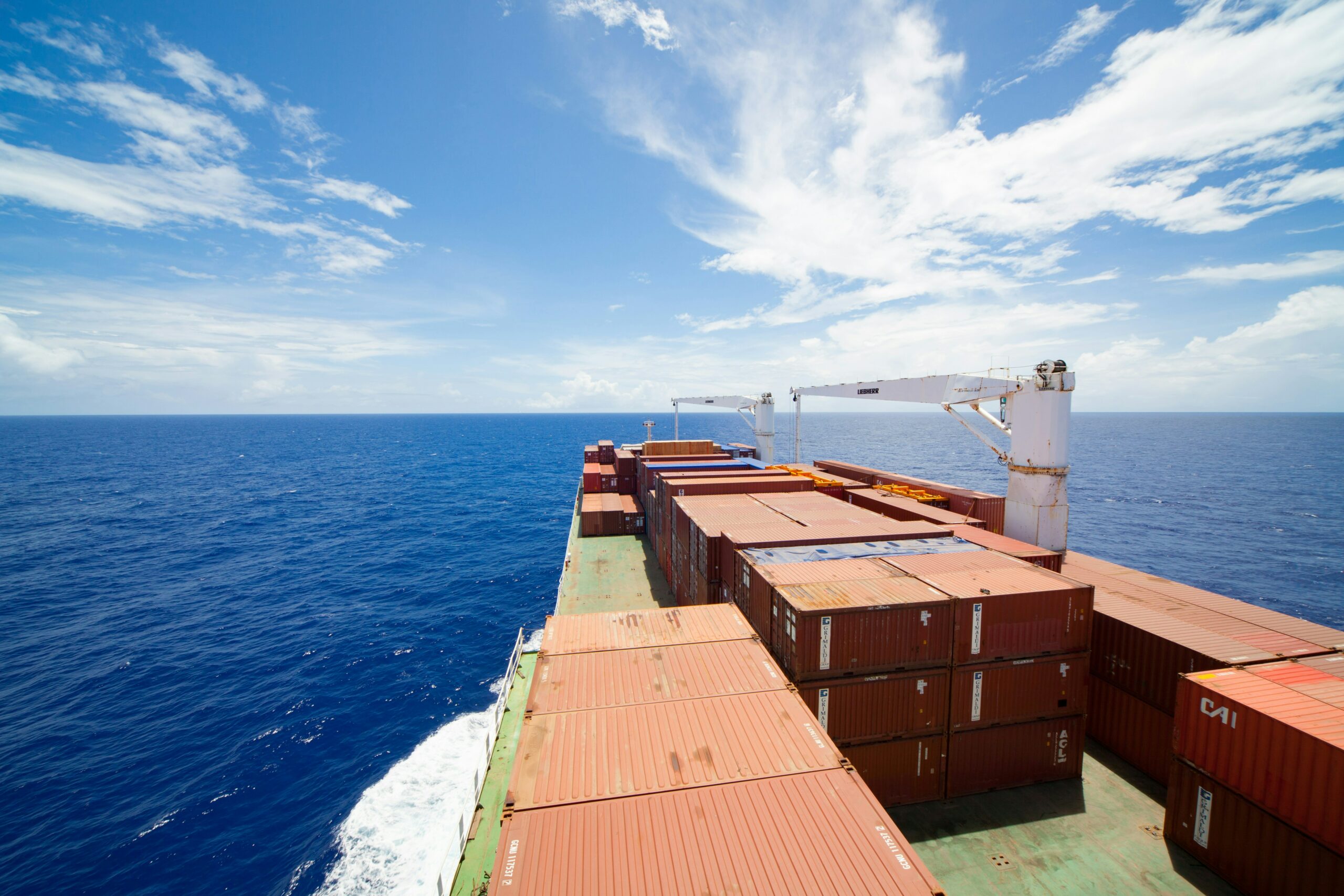
The intricate global system responsible for delivering food from farm to table is facing mounting threats, forcing stakeholders—from local farmers to multinational logistics firms and policymakers—to rapidly adapt strategies to prevent widespread supply disruption and price volatility. This strain, exacerbated by geopolitical instability, the lingering impacts of the pandemic, and environmental challenges, risks undermining decades of progress in food security.
Fragile Networks Under Pressure
The complexity of modern food distribution means that disruptions in one region can ripple across the world. A reliance on just-in-time logistics, while efficient, leaves the system vulnerable to sudden shocks. Research published this year highlights that crucial bottlenecks, such as major shipping routes and key processing hubs, represent single points of failure that demand urgent fortification. When transportation costs surge—driven by elevated fuel prices and labour shortages—the immediate consequence is higher consumer prices, disproportionately affecting low-income populations.
Furthermore, climate change acts as a persistent stressor. Unpredictable weather patterns, including severe droughts and floods, routinely damage crops and disrupt harvesting schedules, forcing agricultural practices to undergo fundamental, often costly, transformations. In regions heavily dependent on imports, this variability places national food reserves under intense pressure, demanding more robust strategic stockpiling.
Rethinking Resilience and Diversification
To safeguard the future of global food access, experts advocate for a multi-pronged approach focused on diversification and localization. Diversifying sourcing routes and suppliers moves away from over-reliance on a few dominant producing nations, mitigating risks associated with regional political instability or environmental disaster. The push towards greater regionalization—sometimes referred to as ‘food localization’—aims to shorten supply chains. While challenging for commodities like coffee or tropical fruits, increasing local and national food production for staple crops reduces dependency on long-haul shipping and insulates consumers from global freight upheaval.
Key investments are required in resilient infrastructure. Cold storage capacities, improved refrigerated transport networks, and digitized tracking systems can reduce the estimated one-third of food currently lost or wasted annually before reaching the consumer.
“The future of food security hinges not just on producing more, but on connecting that food to the consumer without unnecessary friction,” says Dr. Anya Sharma, a senior researcher at the International Centre for Food Policy. “Policymakers must incentivise infrastructure upgrades that withstand predictable shocks, such as extreme weather, while fostering transparent trade agreements that prioritise humanitarian access.”
Actionable Steps for Stakeholders
Governments, industry leaders, and consumers are all integral to building a more resilient system.
- Governments: Invest in climate-smart agriculture research and subsidies; establish and maintain strategic reserves for staple grains.
- Industry: Map supply chain vulnerabilities; negotiate long-term contracts outside traditional bottlenecks; adopt advanced tracking technologies to minimise spoilage.
- Consumers: Support local food economies where feasible; advocate for transparency in pricing; reduce household food waste.
Maintaining the flow of affordable and nutritious food globally requires a sustained, concerted effort to navigate the intersecting crises of climate change, logistics backlogs, and geopolitical tensions. Failure to adapt the existing fragile networks could result in chronic shortages and deepening humanitarian crises globally, underscoring the necessity of immediate, strategic action toward embedding resilience across the entire food ecosystem.