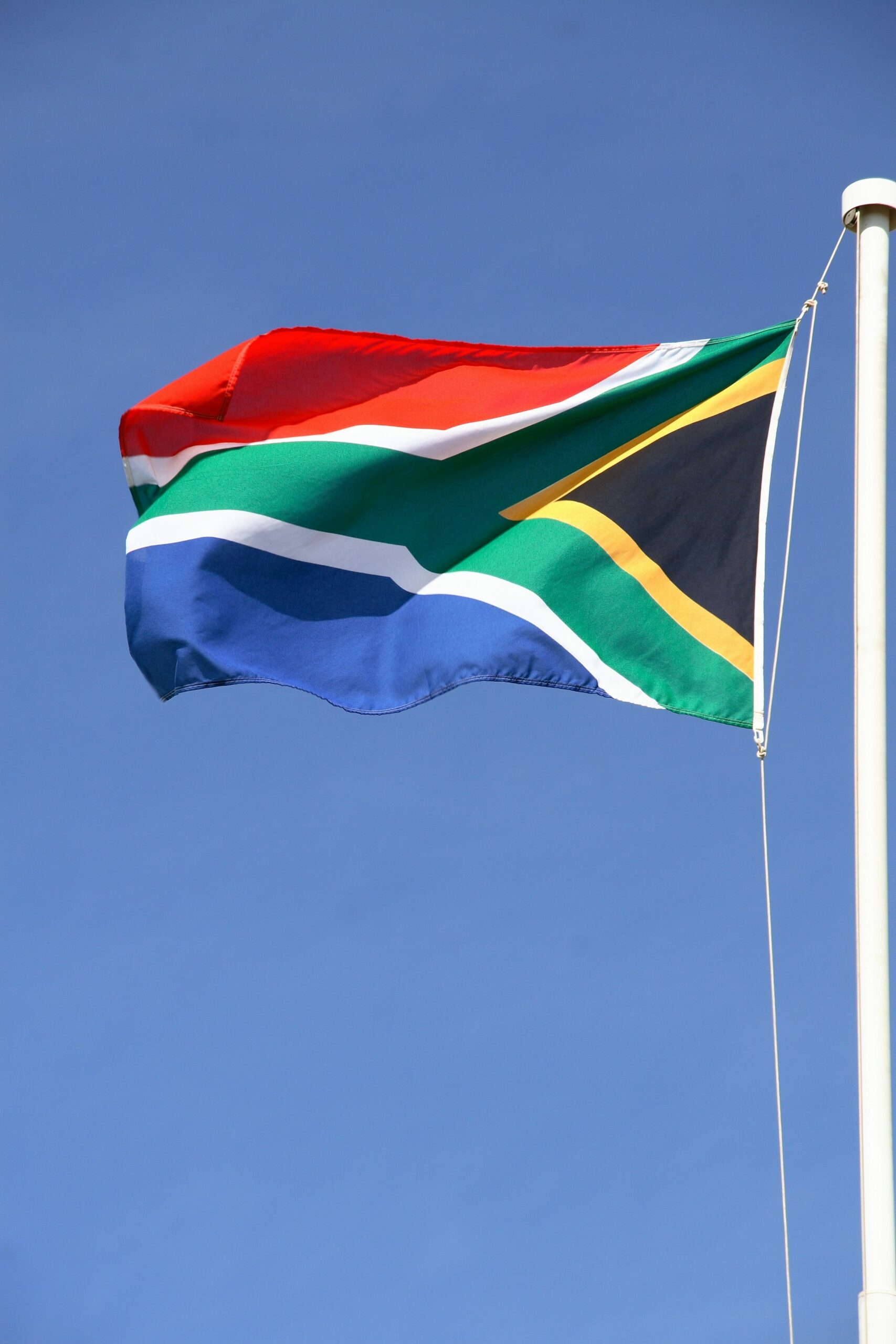
South Africa’s political landscape has been fundamentally reshaped following the recent 2024 general election, where the African National Congress (ANC) party lost its parliamentary majority for the first time in three decades since the end of apartheid. The landmark results, announced last Saturday, necessitate complex coalition negotiations, marking an unprecedented era of political uncertainty and potential instability for the nation.
The ANC, which has governed South Africa since 1994 under the banner of liberation and Nelson Mandela’s legacy, secured approximately 40% of the vote. This outcome falls significantly short of the 50% required to form a government independently, forcing the party to seek alignment with opposition groups to sustain power. The Democratic Alliance (DA), the largest official opposition, gained around 21%, while the newly formed uMkhonto weSizwe (MK) party, led by former President Jacob Zuma, unexpectedly surged to nearly 15%, primarily drawing support from key provinces like KwaZulu-Natal.
Uncertainty Grips Markets and Voters
The immediate fallout from the fragmented mandate is a pervasive sense of political limbo. Analysts suggest that the potential for a ‘grand coalition’ between the ideologically disparate ANC and DA could offer market stability, but such an alliance faces deep internal resistance within both parties. Alternatively, the ANC could seek partners among smaller, more radical parties, including the populist Economic Freedom Fighters (EFF) or Zuma’s MK party, choices that observers warn could destabilize fiscal policy and deter foreign investment.
Dr. Sabelo Jiyane, a political science professor at the University of Cape Town, noted the gravity of the situation. “This election result is a direct reflection of voter frustration over chronic issues—especially rampant corruption, high unemployment, and failing public services like electricity and water. The electorate has emphatically demanded accountability,” he explained.
The governing party’s decline is widely attributed to voter fatigue linked to years of economic stagnation and high-profile corruption scandals, known locally as “State Capture.” Despite strides made in social reform post-1994, current unemployment rates hover near 32%, one of the highest globally, further fueling public disillusionment.
The Road Ahead: Coalition and Governance
The South African constitution mandates that a new government must be formed within two weeks of the election certification. ANC leaders have publicly committed to negotiating with all parties to ensure continuity, but the specific configuration remains opaque. Any coalition agreement will require significant compromise on core policy points, particularly concerning land reform, economic intervention, and the operation of struggling state-run enterprises.
Key Coalition Options Under Consideration:
- ANC-DA Partnership: Offers the greatest economic stability but involves reconciling stark ideological differences over social spending and nationalization.
- ANC-EFF/MK Alliance: Likely to push for more radical, left-leaning policies, potentially risking clashes with international financial institutions and capital flight.
- Minority Government: The ANC could attempt to govern with no formal coalition, relying on ad hoc support from opposition parties, increasing legislative instability.
The implications extend beyond domestic politics; South Africa holds significant regional and global influence, chairing the BRICS bloc this year. The speed and stability with which a new government is established will be key indicators for investor confidence and the country’s ability to tackle pressing social and economic reforms. This election marks a pivotal moment, ushering in South Africa’s most challenging democratic transition since the end of apartheid. The ultimate test will be whether the new political structure can deliver the effective governance the public has clearly demanded.
Further Reading: BBC News: Understanding South Africa’s Coalition Options