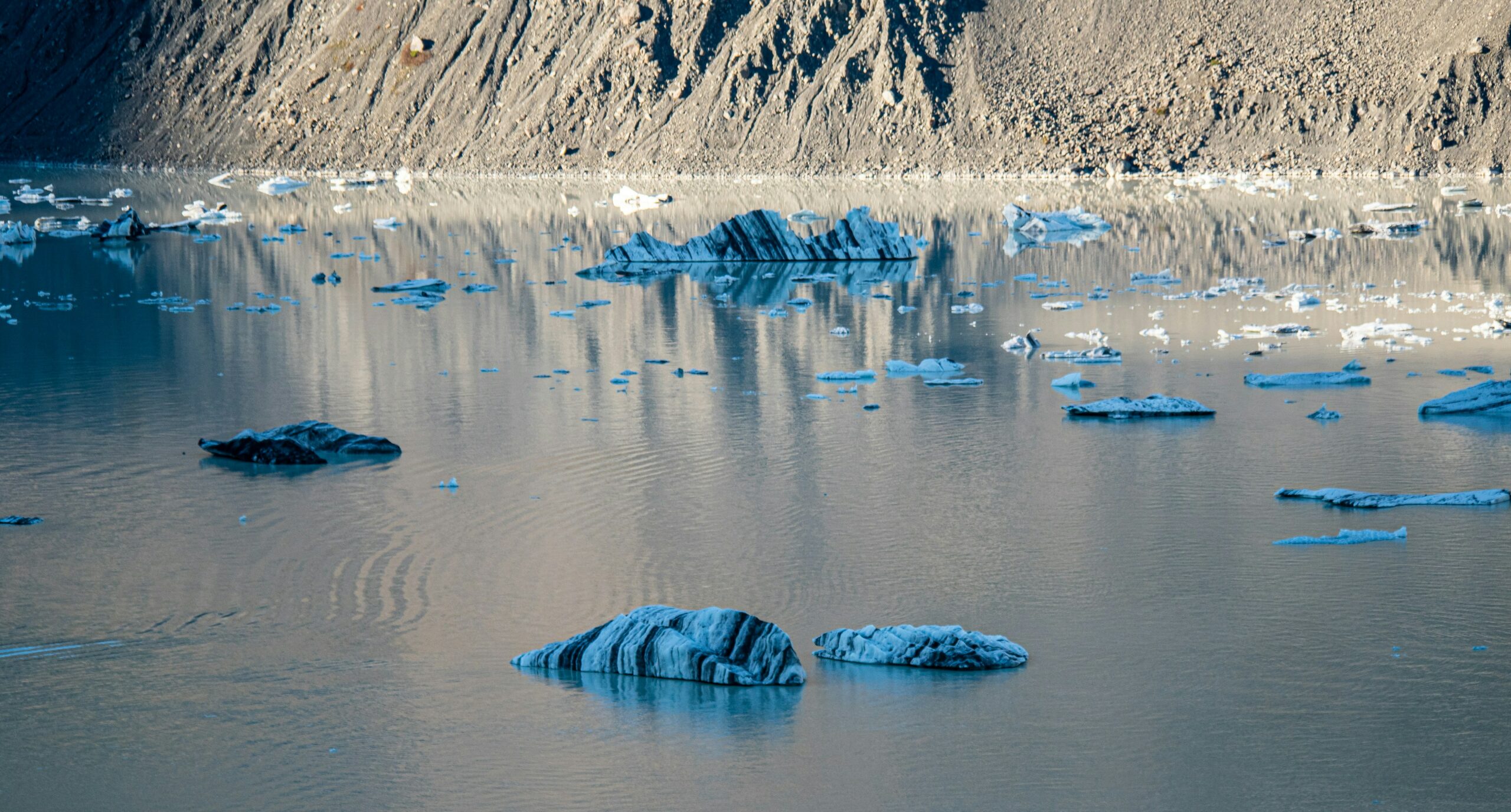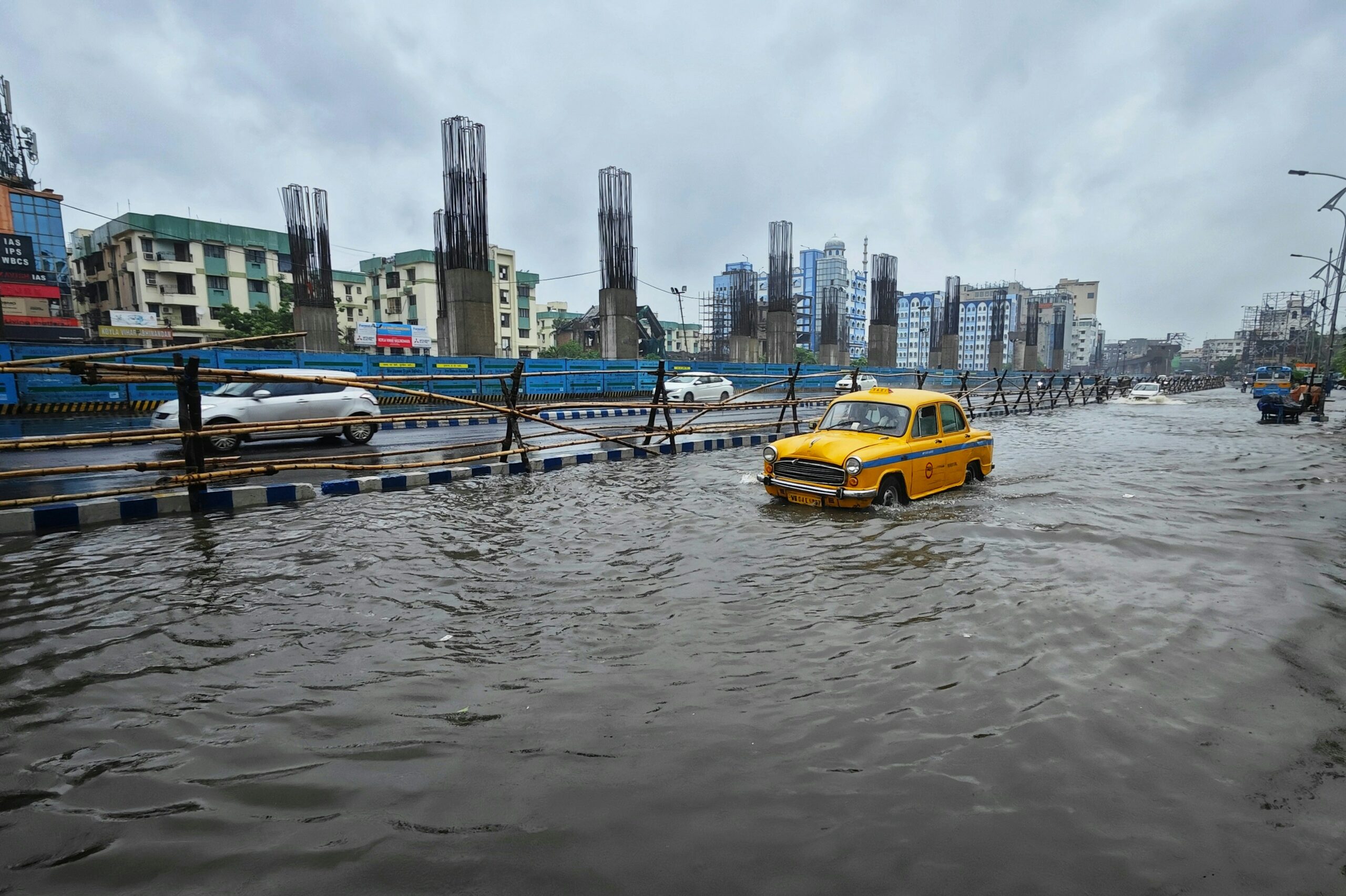
Coastal communities and vital global infrastructure face escalating threats as global mean sea levels continue an unprecedented rise, accelerating at a rate not seen in millennia. This conclusion stems from extensive analysis of historical geological markers, modern tide gauge data, and satellite altimetry, revealing a critical challenge compounded by climate change. Scientists confirm that the rate of sea-level increase has accelerated significantly since the mid-20th century, largely driven by the thermal expansion of warming ocean waters and the massive influx of meltwater from shrinking glaciers and ice sheets in Greenland and Antarctica.
The Unstoppable Ascent of Ocean Waters
For much of the Holocene geological epoch, spanning the last 11,700 years until the industrial era, global sea levels remained relatively stable. However, humanity’s vast emission of greenhouse gasses has fundamentally altered this balance. Data compiled over the past century shows a marked and concerning shift. Satellite records, which offer a highly precise measurement of global sea surface height since the early 1990s, highlight a current average rate of increase exceeding 3 millimeters per year. This figure is double the average rate observed throughout the majority of the 20th century.
“What we are witnessing is not a continuation of natural variability, but a dramatic physical manifestation of global warming,” explains Dr. Lena Karlsson, a lead oceanographer at the Woods Hole Oceanographic Institution. “The inertia in the climate system means that even if emissions were halted tomorrow, we are already locked into significant sea-level rise for centuries to come. The goal now is mitigation and robust adaptation.”
Direct Impact on Human Habitation and Economy
The implications of this acceleration are profound, particularly for the estimated 40% of the world’s population who reside within 100 kilometers of the coast. Low-lying coastal cities, delta regions, and island nations are on the front lines of this crisis. The increased frequency and severity of coastal flooding during storm surges, popularly known as “nuisance floods,” are already disrupting daily life, damaging property, and polluting freshwater sources with saltwater intrusion.
Critical sectors at risk include:
- Transportation Infrastructure: Ports, coastal highways, and municipal rail lines.
- Energy Generation: Coastal power plants and oil and gas facilities.
- Agriculture: Fertile coastal farmland compromised by salinization.
- Cultural Heritage: Historical sites located near the water, such as Venice or parts of the Ganges Delta.
Economically, the cumulative losses from storm damage exacerbated by higher baseline sea levels are soaring into the hundreds of billions globally. For communities without the resources for large-scale engineering defenses, such as sea walls or managed realignment, forced migration becomes an inevitable, wrenching reality.
Navigating the Future: Adaptation and Policy
Addressing the future impact requires a dual strategy focused on both climate mitigation—reducing emissions to slow the rate of warming—and rigorous adaptation planning. Coastal defense projects, ranging from hard infrastructure to nature-based solutions like restoring mangrove forests and coastal wetlands, are becoming essential investments for resilience.
Furthermore, accurate projection models are vital for urban planners and governments. While estimates vary based on future emissions scenarios, the scientific consensus suggests that by the end of this century, global mean sea level could rise between 0.3 and 1 meter above present levels. Crucially, regional variations exist due to factors like sinking land (subsidence) and shifting ocean currents.
The accelerating sea-level threat demands coordinated global action and immediate policy implementation. Failure to invest in proactive defense measures now will exponentially increase the social displacement, economic devastation, and geopolitical instability inherent in a rapidly changing coast. Future solutions require blending cutting-edge scientific data with integrated urban planning to safeguard vulnerable coastline communities and the indispensable global infrastructure upon which modern society relies.