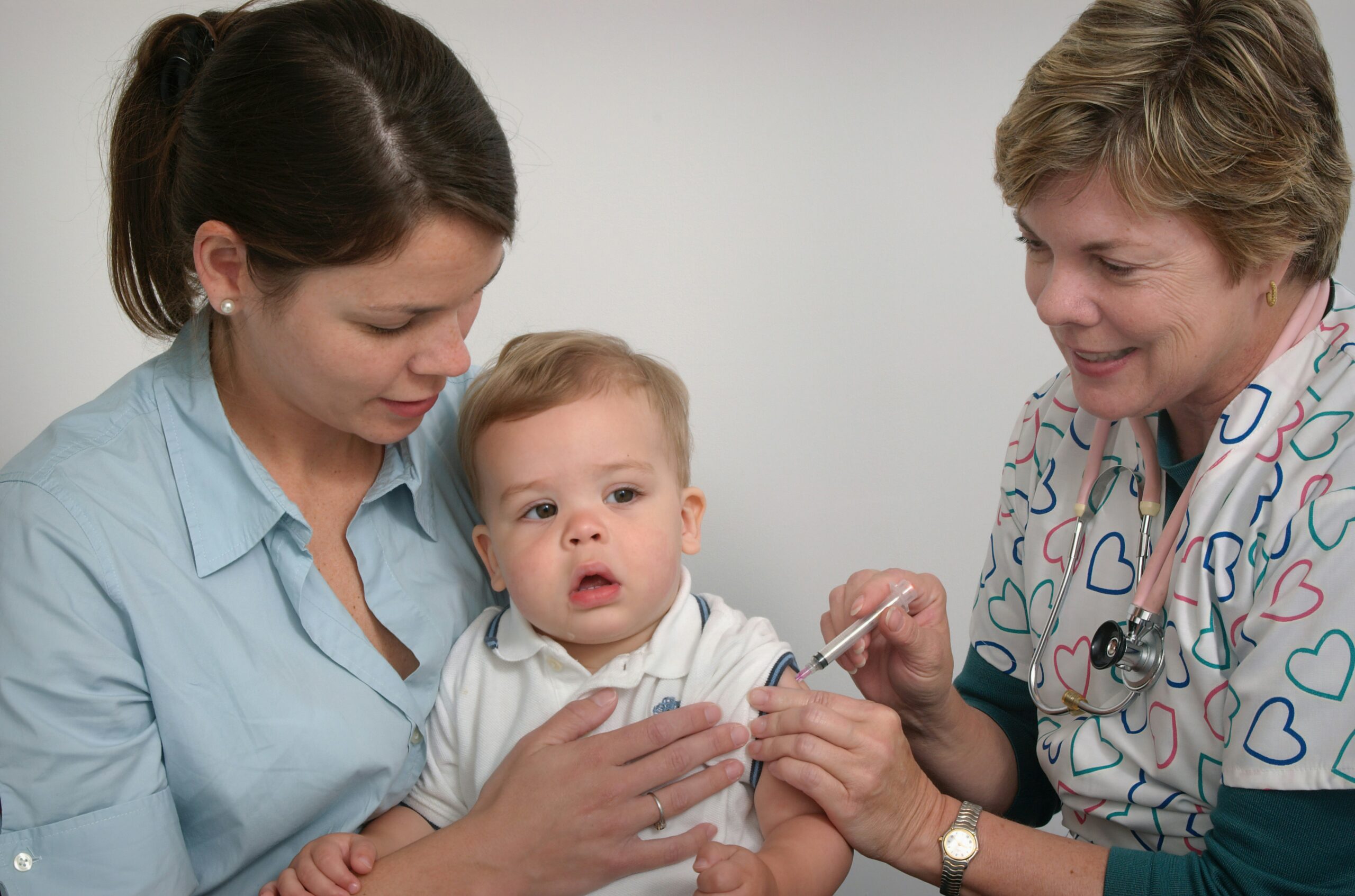
A major worldwide effort has launched to dramatically increase childhood vaccination rates in low and middle-income countries, aiming to restore and surpass immunization levels that declined significantly following the recent global health crisis. Spearheaded by international health organizations, this multi-year initiative focuses on delivering routine inoculations against preventable infectious diseases, bolstering fragile health systems, and ensuring greater equity in vaccine distribution across diverse populations.
Reversing Declines in Routine Immunization
The focus on childhood immunization comes as global figures reveal concerning backsliding in routine vaccination coverage, creating immunization gaps potentially leaving millions of children vulnerable to diseases like measles, polio, and diphtheria. The COVID-19 pandemic necessitated the redirection of health resources, disrupted supply chains, and led to public hesitancy, collectively resulting in the largest sustained drop in immunization coverage in three decades according to recent reports from the World Health Organization (WHO) and UNICEF.
Experts emphasize that restoring and strengthening essential childhood immunization is critical not only for individual child survival but also for maintaining global health security and preventing massive outbreaks. Vaccination is lauded as one of the most cost-effective public health interventions, saving millions of lives annually. The new initiative seeks to implement targeted strategies to reach “zero-dose children”—those who have not received any routine vaccines—a population disproportionately concentrated in remote or underserved communities.
Strengthening Health Systems and Supply Chains
A core component of this global strategy involves reinforcing the primary healthcare infrastructure that delivers these lifesaving shots. This includes training community health workers, upgrading cold chain storage facilities crucial for maintaining vaccine efficacy, and implementing digital tools to better track vaccine inventory and patient records.
Financial commitments from governmental and philanthropic donors are central to sustaining these efforts. Funds are allocated not just for vaccine procurement but crucially for operational expenses, such as transportation costs and outreach campaigns designed to build community trust. Addressing misinformation and vaccine hesitancy through locally tailored communication is a key priority, especially in areas where confidence in public health services has eroded.
The initiative employs a multifaceted approach:
- Integrated Delivery: Integrating immunization services with other essential health services, such as nutrition support and maternal care, maximizing contact points with families.
- Data-Driven Targeting: Using granular data analysis to pinpoint geographical areas and specific communities with the lowest coverage rates.
- Workforce Capacity Building: Investing in the recruitment and continuous training of vaccinators, nurses, and community mobilizers.
Implications for Global Health Security
Failure to urgently address the immunization deficit could have severe, domino-effect consequences. Large outbreaks of measles or polio not only endanger children but also strain national healthcare systems, diverting resources from other critical public health priorities. Furthermore, such crises can undermine years of progress made toward eradicating or eliminating these diseases.
This global collaboration provides a vital framework for countries to not just catch up, but to innovate. By investing in resilient, equitable immunization programs now, the international community aims to establish a more robust health infrastructure suitable for weathering future crises and ensuring every child, regardless of location, has access to foundational preventive care. This renewed focus serves as a crucial milestone in the collective march toward achieving the Sustainable Development Goal target related to achieving universal health coverage.