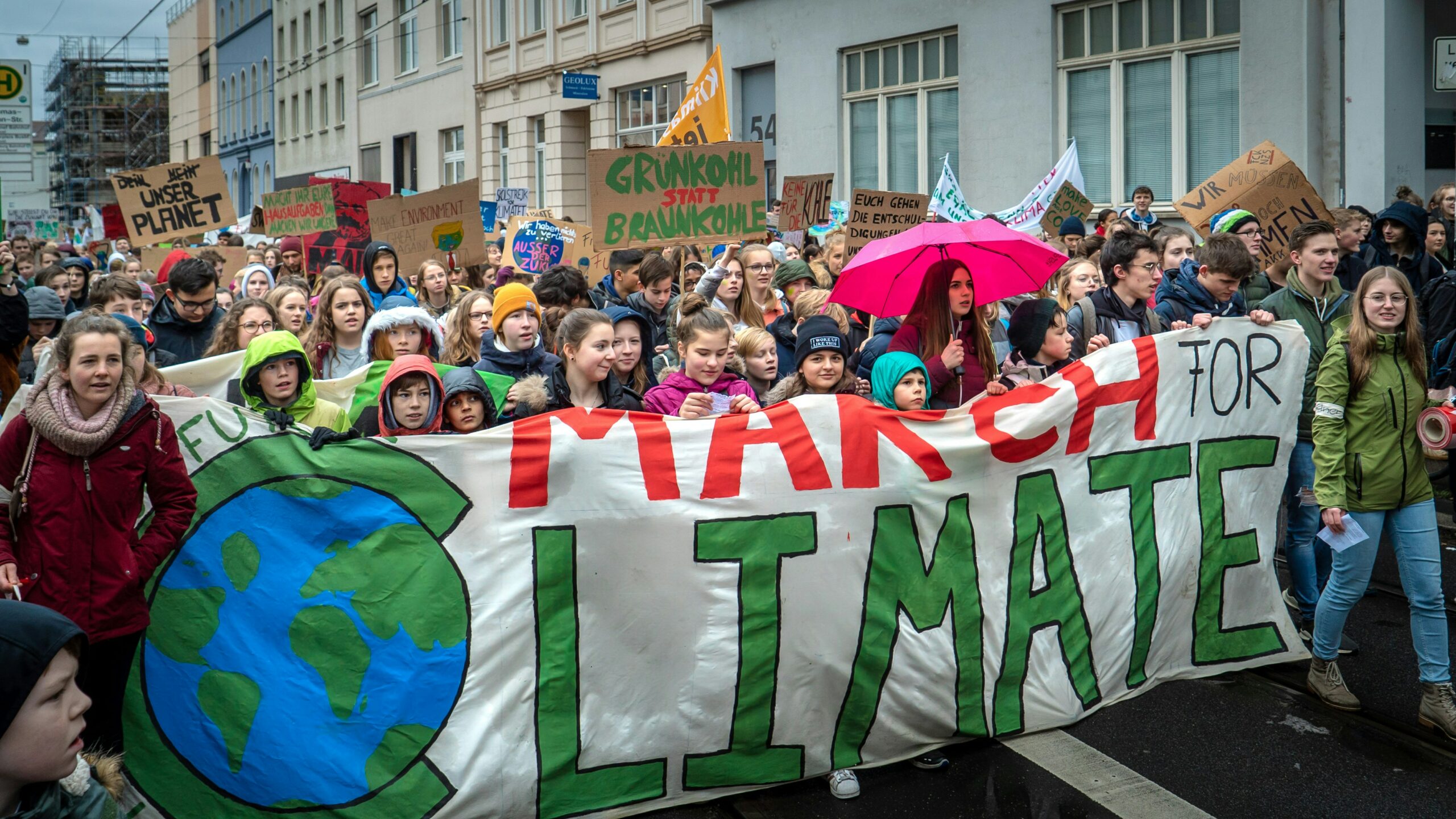
Delegates from nearly 200 nations convened in Bonn, Germany, this past week, setting the stage for the next critical phase of global climate action. The focus of the mid-year United Nations climate negotiations shifted dramatically toward accelerating the National Adaptation Plans (NAPs) process, aiming to bolster global resilience against increasingly devastating climate impacts ahead of the major COP29 summit later this year. The urgency was palpable, driven by record-breaking global heatwaves and mounting economic damages from extreme weather events, which experts warn are outpacing current adaptation efforts.
Shifting the Climate Conversation to Adaptation
While mitigation—reducing greenhouse gas emissions—historically dominated climate talks, the Bonn negotiations underscored a crucial pivot: the recognition that adapting to a warmer world is no longer optional but essential for survival. Developing nations, particularly those most susceptible to droughts, floods, and sea-level rise, stressed the immediate necessity for enhanced financial and technical support to implement their adaptation strategies. Key agenda items included finalizing the structure and benchmarks for the Global Goal on Adaptation (GGA), a crucial commitment made at COP26 to track progress universally.
“The time for theoretical discussions is over; we are firmly in the era of consequence,” stated Selamawi Ayele, lead climate analyst for the Africa Group of Negotiators. “Our communities are being hit today. Without substantial, predictable funding for NAPs, this global promise of resilience rings hollow.”
The talks highlighted a significant financing gap. Current estimates suggest that adaptation costs in developing countries could reach $160 billion to $340 billion annually by 2030, yet committed international public adaptation finance remains far behind, rarely exceeding $30 billion per year.
Overcoming Financial and Technical Hurdles
A major point of contention revolved around “loss and damage” funding, which deals with permanent losses caused by climate change that cannot be adapted to. Delegates pushed to ensure that the newly established Loss and Damage Fund, inaugurated at COP28, becomes fully operational and accessible quickly, recognizing that climate hazards are already causing insurmountable economic and human costs.
Furthermore, discussions prioritized technical assistance. Many developing nations cited a lack of specialized expertise and data as significant impediments to creating effective, locally-appropriate NAPs. The proposed solution involves strengthening regional climate centers and promoting South-South cooperation to share best practices in areas such as resilient agriculture, early warning systems, and coastal protection infrastructure.
Key Outcomes and Future Trajectory
Although primarily technical in nature, the Bonn meeting successfully established a clearer roadmap for operationalizing key climate finance mechanisms. Negotiators agreed on a framework for reporting adaptation finance and began drafting the critical sections of the COP29 decision text that will establish the first set of indicators for the Global Goal on Adaptation.
Next Steps for Global Resilience:
- Finalizing GGA Indicators: Countries must agree on the metrics used to measure collective progress toward global adaptation goals by COP29.
- Scaling Up Finance: Developed nations are urged to deliver on their commitment to doubling adaptation finance by 2025.
- Integrating NAPs: Adaptation plans must be integrated into national budgeting and development policies, moving beyond isolated climate projects.
The path forward requires not only political will but a fundamental structural shift in how development aid and climate finance are delivered. The outcomes from Bonn serve as a sobering reminder: the world can no longer afford to treat adaptation as a secondary concern; it is the cornerstone of sustainable development in the face of a rapidly changing climate. The pressure is now squarely on the upcoming COP29 summit in Baku, Azerbaijan, to translate this technical consensus into tangible, financed action.