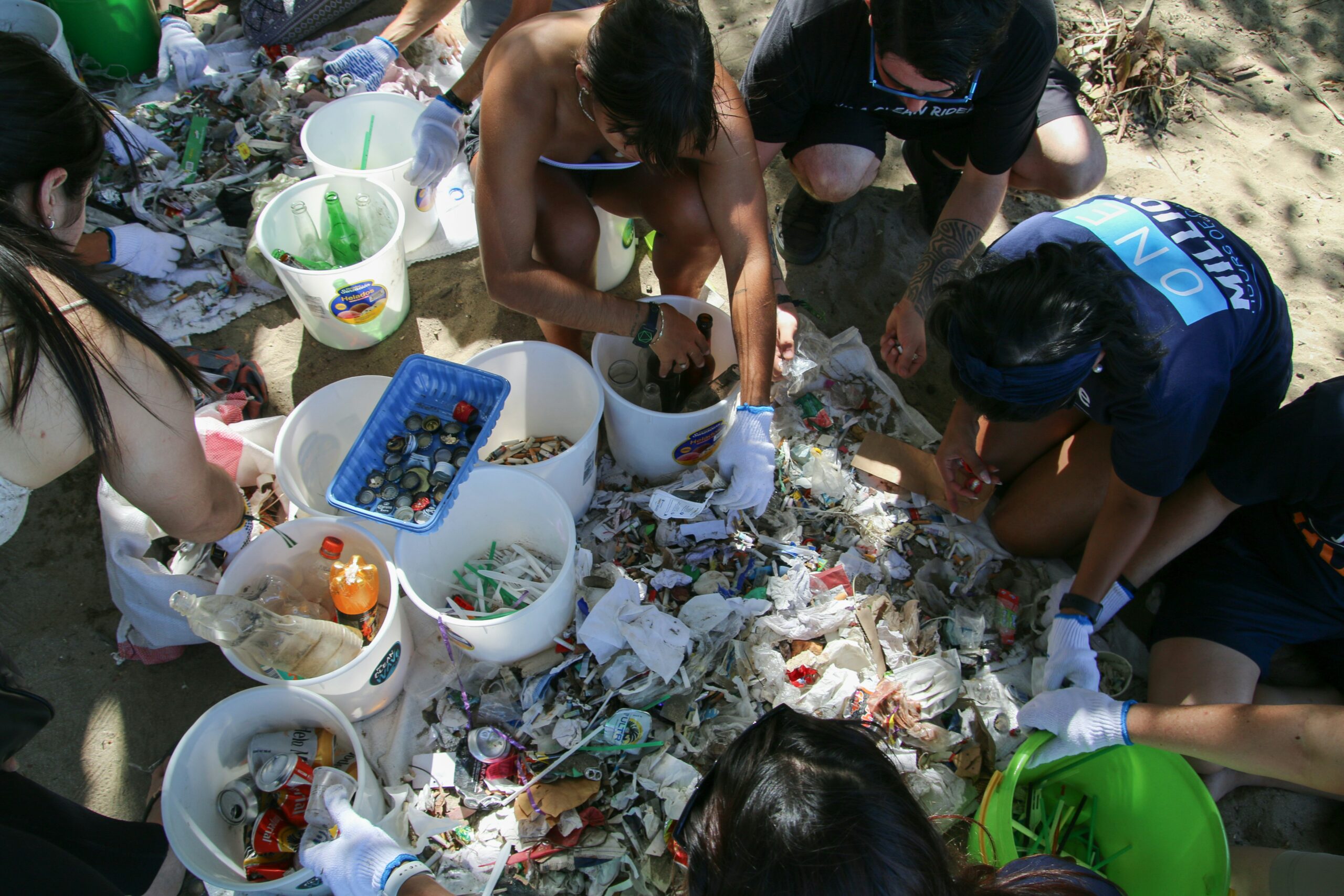
The world’s nations have reached a pivotal consensus on a framework aimed at tackling the relentless global challenge of plastic waste. Following intense negotiations spanning several years, delegates representing over 170 countries formally adopted a comprehensive new treaty blueprint designed to curb plastic production, enhance recycling infrastructure, and mitigate the devastating environmental impacts of pollution across terrestrial and marine ecosystems. This landmark agreement, hashed out during a critical United Nations Environment Assembly (UNEA) session in Nairobi, Kenya, establishes the foundational principles for what is expected to become a legally binding international instrument within the next two years.
Setting the Stage for Global Action
For decades, the rise of ubiquitous disposable plastics has overwhelmed waste management systems, resulting in vast quantities of debris accumulating in oceans, rivers, and landfills. Scientists estimate that millions of tonnes of plastic enter the environment annually, threatening wildlife and potentially impacting human health through microplastic ingestion. Recognizing the transboundary nature of this catastrophe, the international community escalated calls for a unified, legally enforceable response.
The newly approved text mandates participating countries to develop and implement national action plans focusing on reducing plastic use throughout its lifecycle—from source manufacturing to final disposal. Crucially, the agreed framework moves beyond simply focused on clean-up; it emphasizes upstream solutions, seeking to limit the quantity of “virgin” plastic being produced.
A key sticking point during the negotiations was whether the ultimate treaty should impose mandatory global caps on plastic production or allow nations greater autonomy. The final version adopts a hybrid approach, encouraging immediate cuts while establishing robust mechanisms for transparency and reporting on national output and waste streams.
Financing the Transition and Innovation
Experts highlight that the transition to a truly circular economy for plastics requires significant financial investment and technological innovation, particularly in developing nations lacking adequate recycling and reprocessing facilities. The treaty framework addresses this by proposing the establishment of a dedicated financial mechanism to support implementation in low- and middle-income countries. This funding will be critical for scaling up sustainable alternatives and building infrastructure capable of handling diverse plastic polymers.
Furthermore, the accord encourages harmonizing product standards and labelling to simplify global recycling processes. By ensuring that plastic goods are designed for reuse or easy recycling—often referred to as circular design principles—the framework aims to fundamentally redesign the supply chain.
For consumers, this agreement signals impending changes to product packaging and availability. Businesses will face increased scrutiny regarding the materials they use and the end-of-life cycle of their products.
Next Steps Towards a Binding Treaty
While the adoption of the framework is a momentous achievement, the actual work of crafting the final, legally binding treaty language is now set to commence. An Intergovernmental Negotiating Committee (INC) has been established to refine various proposals, debate strict enforcement mechanisms, and solidify definitions of key concepts, such as single-use plastics and sustainable alternatives. This process is expected to span several further negotiating sessions over the next 18 months.
The success of this global initiative will hinge on political will and equitable resource sharing. Should the nations successfully ratify a binding agreement by the targeted date of 2024, it would represent the single most important environmental accord since the Paris Climate Agreement, offering a genuine pathway toward ending the relentless flow of plastic pollution into our global environment. The ultimate goal remains clear: to create a world where plastic is viewed and managed as a valuable resource, not merely disposable waste.