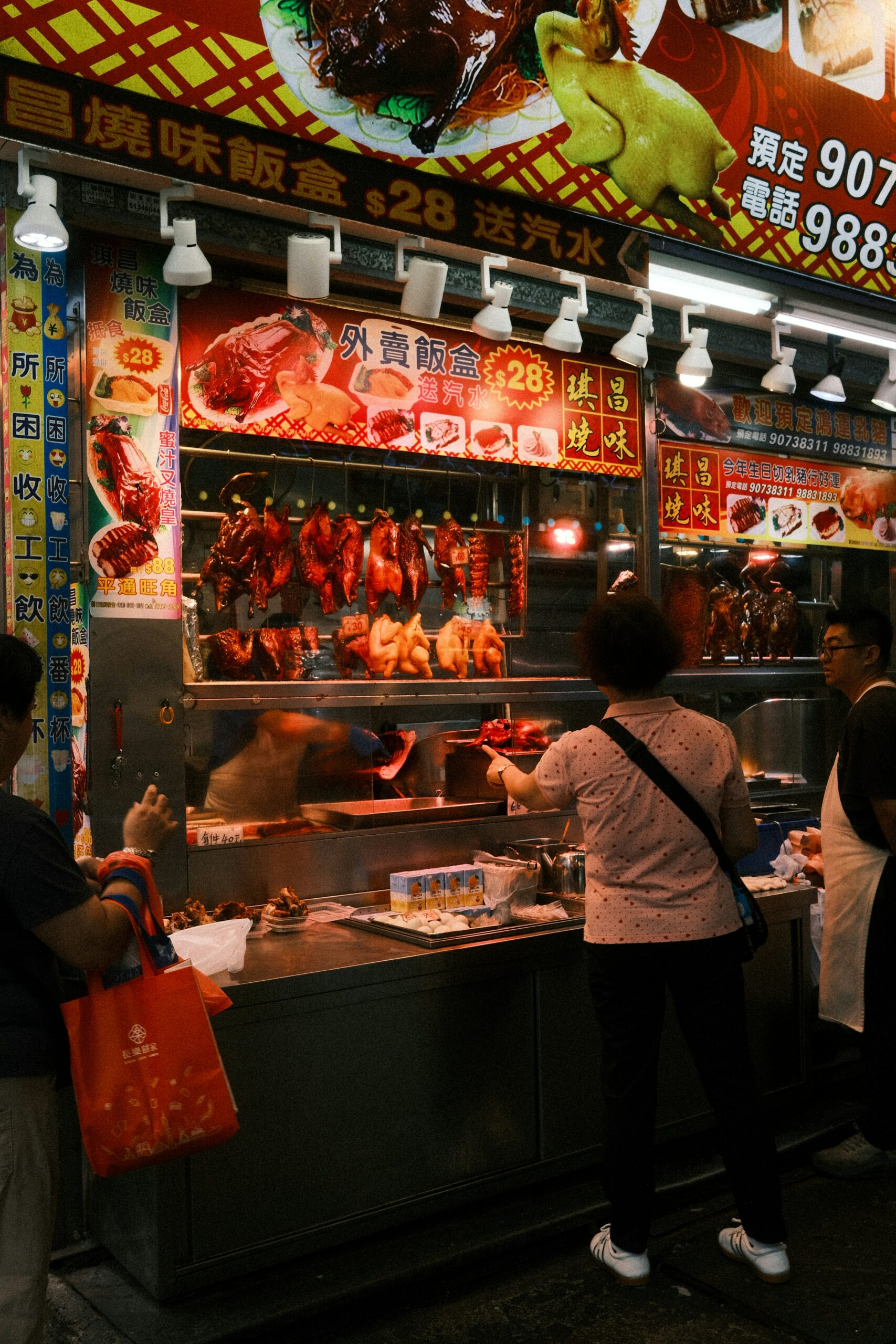
Celebrated Hong Kong culinary expert Lee Ka-ting, affectionately known as “Ding Sir,” recently revisited one of the territory’s most beloved dining traditions—the iconic charcoal-roasted goose of Deep Water Bay (Sham Tseng). Appearing on TVB Plus’s program, Gourmet News Report, Ding Sir shared invaluable tips on savoring this classic Cantonese dish, highlighting the differences between modern convenience and time-honored techniques at a distinguished local institution.
The segment, which aired this week, featured Ding Sir guiding young apprentice Choi King-hang through the nuances of selecting and eating the perfect roast goose from a lauded 60-year-old establishment. The visit tapped into a shared collective memory across generations of Hong Kong residents, recalling an era when the journey to Deep Water Bay for a decadent, freshly cooked goose was a substantial, eagerly anticipated trip, unlike today’s effortless travel.
Charcoal Tradition Defines Deep Water Bay Flavor
The longevity of the featured eatery, Ding Sir explained, lies in its commitment to the traditional charcoal grilling method, an increasingly rare technique that imparts a unique smoky depth to the poultry.
Beyond the cooking style, Ding Sir offered crucial advice on appreciating different cuts of the goose, dispelling the common belief that the drumstick (thigh) is the premium piece.
“While the drumstick offers plenty of meat, it tends to be tougher,” he instructed. “The back of the goose, though offering less volume, provides a rich, concentrated flavor and just the right amount of fat content.”
He further elaborated on the difference between the lower half (下庄 or *ha zong) and the upper half (上庄 or *soeng zong). The lower half, encompassing the drumstick and lower torso, offers a richer, more succulent flavor. This, he noted, is due to gravity: as the goose is hung after preparation, internal juices and fats naturally flow downward, congregating in the lower portions of the bird.
The Optimal Season for Goose
For the best gastronomic experience, Ding Sir pointed to specific times of the year, rooted in physiological cycles of the poultry.
“Traditionally, the optimal time for eating goose is approximately one month before and one month after the Chung Yeung (Double Ninth) Festival and Ching Ming (Tomb Sweeping) Festival,” he revealed.
The explanation is practical: during these periods, mother geese are fattening themselves in preparation for laying eggs. Conversely, geese that have recently completed their egg-laying cycle tend to be leaner, resulting in a less desirable texture and diminished flavor.
Why Rice Noodles Are the Only True Pairing
A perennial debate among connoisseurs revolves around the pairing of roast goose with noodles. According to the expert, rice vermicelli (瀨粉 or *lai fan) or rice sheets (河粉 or *ho fun) are the only acceptable accompaniments, offering a clear reason:
- Alkaline Interference: Ding Sir noted that wheat-based noodles, often prepared using alkaline soda water (lye water), contain residual alkaline flavors that can disrupt and detract from the delicate flavors of the roast goose and its sauce.
He demonstrated the most authentic way to consume the pairing: fully submerging a piece of crispy roast goose into the bowl of lai fan soup.
“Allow the rendered goose fat and deeply flavorful meat juices to permeate the soup base. This process completely transforms the taste of the noodles themselves,” he demonstrated.
Beyond the goose, the article also touched upon the restaurant’s famous charcoal-braised char siu (barbecued pork), noting that the best portions, often derived from the premium pork shoulder butt, are roasted until they develop an enticingly charred crust—a dish so rich it might require “wearing two pairs of trousers to eat,” echoing a well-known quote by local musician Brian of the group 24Herbs.
This continued spotlight on heritage cuisine underscores the cultural importance of maintaining traditional cooking methods, ensuring that future generations can experience the authentic, nuanced flavors that define classic Hong Kong dining.