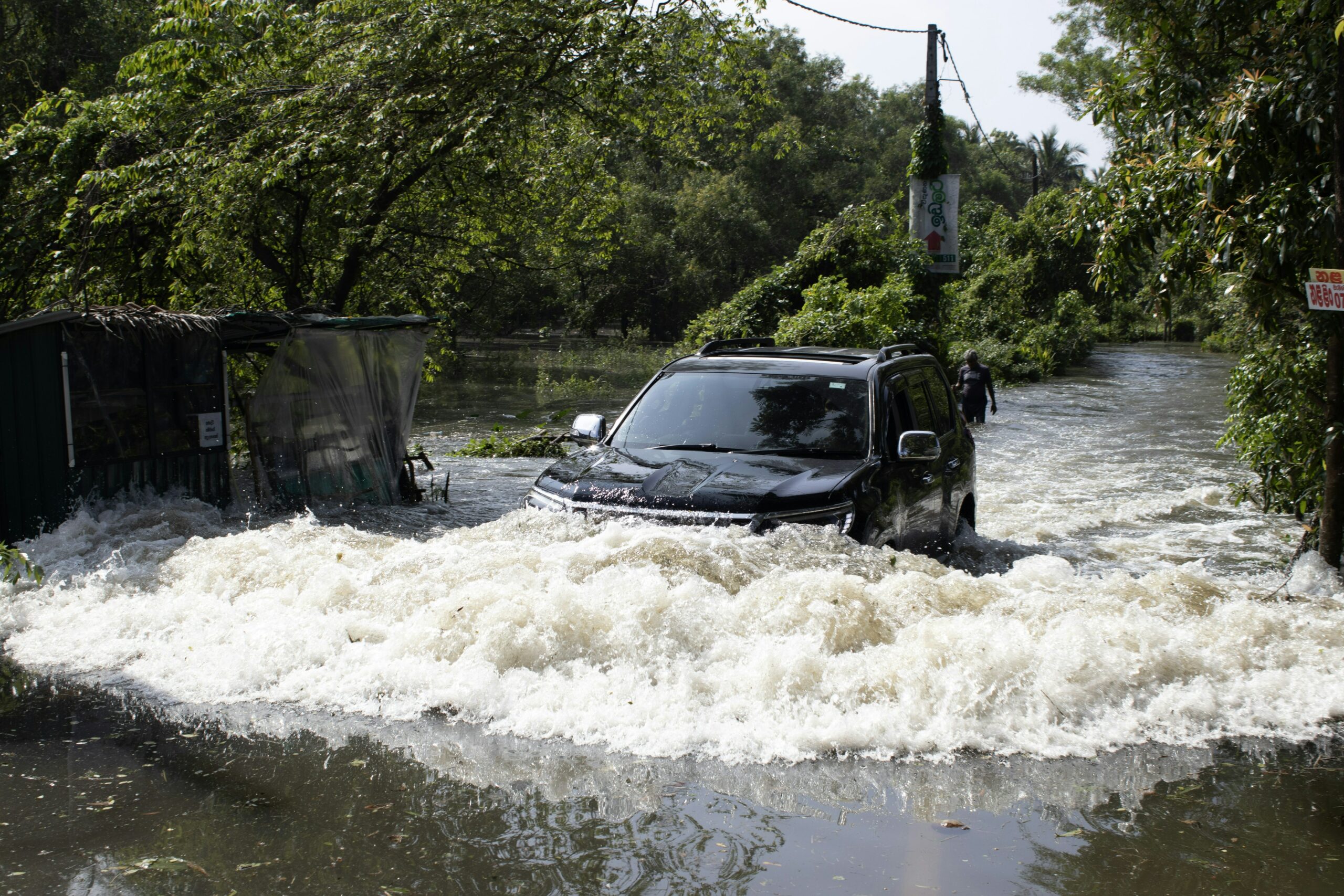
Massive and unprecedented rainfall has triggered widespread flooding and severe disruption across the southwestern region, prompting authorities to declare a local state of emergency and initiate a huge, complex recovery operation. The deluge, which began early Monday and continued for 48 hours, overwhelmed river systems and municipal drainage infrastructure, resulting in submerged homes, cut-off major roadways, and significant power outages affecting tens of thousands of residents. Emergency services report dozens of forced evacuations, while experts calculate the financial toll of the damage could reach hundreds of millions of pounds.
Unprecedented Meteorological Event
Meteorologists confirm that the storm delivered the highest recorded rainfall totals for the month in over a century, attributing the intensity partly to shifting climactic patterns. Local rivers, already swollen from earlier seasonal rain, quickly crested their banks, converting normally quiet tributaries into raging torrents. The suddenness of the flooding caught many off guard, transforming routine commutes into treacherous journeys and leaving some communities entirely isolated as bridges became impassable or were structurally compromised.
“We have never documented precipitation rates this consistently high over this length of time,” stated Dr. Sarah Jenkins, Head Climatologist at the National Weather Institute, speaking at a press briefing Tuesday afternoon. “This wasn’t just typical flash flooding; this was a sustained, regional inundation that the existing infrastructure was simply not designed to handle.”
Urgent Response and Evacuation Measures
In the hardest-hit areas, swift water rescue teams utilized boats and helicopters to extract stranded residents from rooftops and flooded vehicles. Local councils quickly established temporary shelters in schools and community centers, providing essential supplies, warm meals, and medical aid to displaced families. By Wednesday noon, approximately 3,000 people were registered in official shelters, though officials cautioned that the true number of affected individuals was likely far higher.
The most pressing immediate concern remains the restoration of essential services. Utility crews are battling difficult conditions to reconnect power lines and ensure the safety of submerged substations. Water quality is also a critical issue, given the risk of contamination from floodwaters mixing with sewage and ground pollutants. Residents are strongly advised to adhere to “boil water” notices issued across five major districts.
Key Safety Measures for Affected Residents:
- Avoid Floodwater Contact: Floodwaters often contain unseen hazards like chemicals, sharp debris, and pathogens.
- Heed Power Disconnection Warnings: Do not enter submerged areas where electrical lines may be down.
- Document Damage Thoroughly: Take photographs and videos for insurance claims before beginning cleanup.
Long Road to Financial and Structural Recovery
The long-term implications are staggering. Damage assessments are only just beginning, focused initially on critical public infrastructure, including sections of the national motorway network that remain closed due to structural damage and debris. Farmers, whose fields have been completely waterlogged, face devastating crop losses.
The government has pledged immediate funds for first response efforts and announced that it is mobilizing military engineering units to assist local authorities with debris removal and the creation of temporary access routes. While insurance claims are expected to surge, experts caution that many homeowners and small businesses, particularly those not residing in officially designated high-risk zones, may find themselves under-insured for this level of catastrophe.
This catastrophic event underscores a growing global challenge: strengthening resilience against increasingly volatile weather patterns. As recovery efforts stretch from weeks into months, the focus will inevitably shift towards significant investment in flood defenses and climate-adaptive infrastructure planning to protect communities against future, similar-scale weather emergencies.