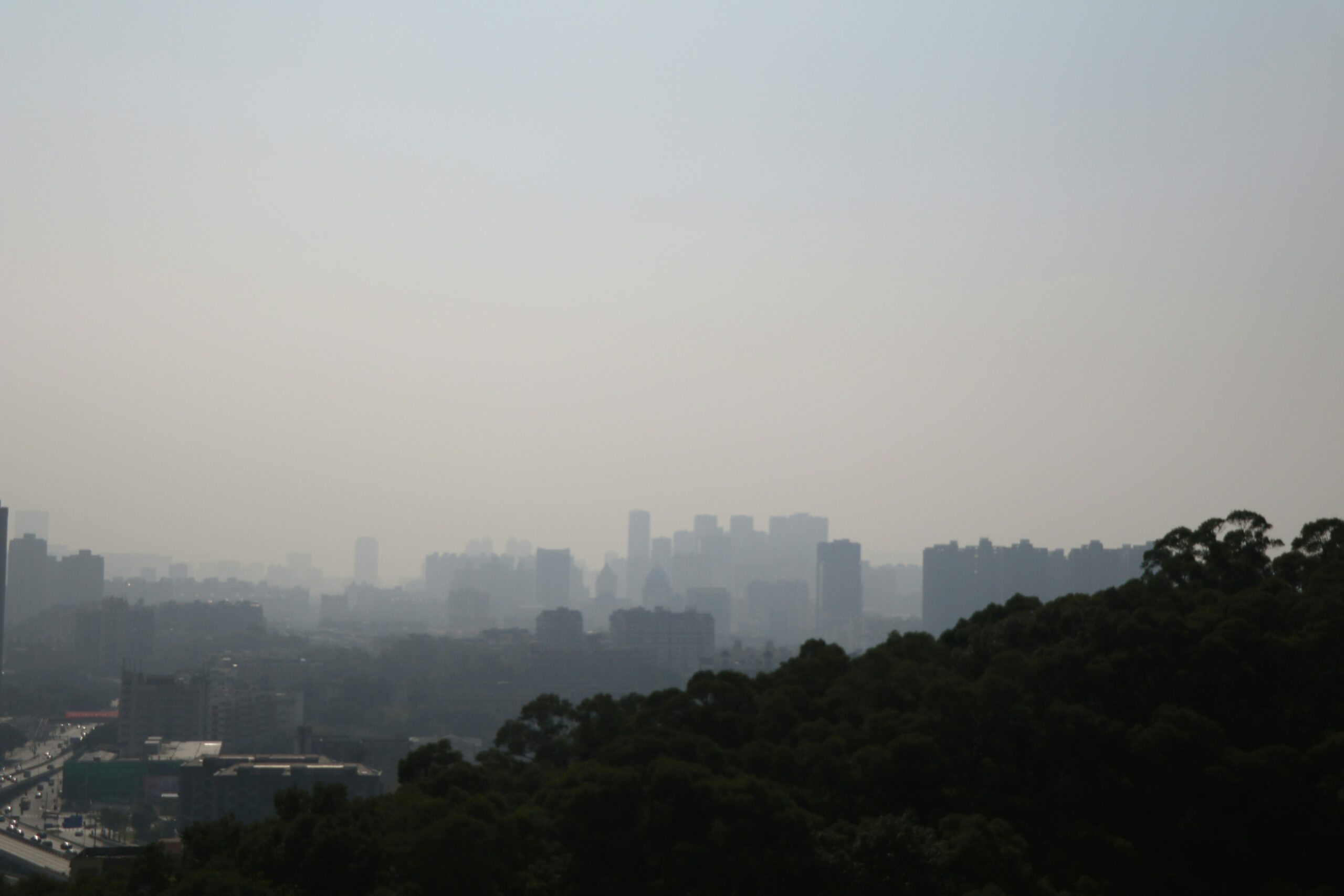
Smoke from increasingly frequent and intense wildfires is rapidly emerging as a significant global public health crisis, exposing billions to toxic air pollution and straining healthcare systems worldwide. This pervasive airborne threat, once largely confined to immediate outbreak zones, now blankets entire continents, prompting urgent reassessment of preventative and intervention strategies.
The Invisible Global Contaminant
The primary danger from wildfire smoke lies in the extremely fine particulate matter it contains, particularly particles measuring less than 2.5 micrometers in diameter (PM2.5). These microscopic toxins are capable of bypassing the body’s natural defenses and penetrating deep into the lungs and bloodstream. Scientific data consistently links exposure to these particles with severe immediate and long-term health consequences.
Recent analysis confirms a sharp correlation between spikes in ambient smoke levels and corresponding increases in emergency room visits for respiratory distress. Children, the elderly, and individuals with pre-existing conditions—including asthma, chronic obstructive pulmonary disease (COPD), and heart disease—are disproportionately vulnerable to these acute effects.
Beyond the well-documented respiratory issues, accumulating evidence highlights the systemic impact of prolonged smoke exposure. Studies are beginning to reveal links between sustained high levels of PM2.5 and an increased risk of cardiovascular events, including heart attacks and strokes. Furthermore, neurological effects, such as cognitive impairment and mental health deterioration, driven by anxiety and chronic exposure, are increasingly points of concern for public health officials.
Protecting Public Health: Essential Steps
While policy makers grapple with mitigating the underlying causes of climate change driving these fires, individuals and communities must adopt robust protection measures to minimize inhalation risks.
Practical Steps for Smoke Safety:
- Monitor Air Quality: Rely on real-time data from official sources (e.g., government environmental agencies) which use the Air Quality Index (AQI) to gauge current danger levels. When the AQI is classified as “unhealthy” or higher, limit outdoor activity.
- Create Clean Air Zones: Use high-efficiency particulate air (HEPA) filters indoors. Simple methods, such as temporarily sealing windows and using centralized heating and cooling systems set to recirculation mode, can significantly improve indoor air quality. Avoid activities that worsen indoor air, such as burning candles, using gas stoves, or vacuuming without a HEPA filter.
- Use Appropriate Masking: Standard cloth or surgical masks offer little protection against PM2.5. If outdoor exposure is unavoidable during periods of poor air quality, use well-fitted N95 or P100 respirators, which are designed to filter out fine particles.
- Hydration and Medical Preparedness: Maintain adequate hydration and ensure vulnerable individuals have access to necessary medications, such as asthma inhalers, before air quality deteriorates.
A New Normal for Global Health
The escalating frequency of multi-region smoke events—from the vast forest fires burning across North America and Siberia to blazes in the Amazon and Australia—signals that wildfire smoke is no longer a localized environmental issue but a persistent atmospheric contaminant affecting global health infrastructure.
Moving forward, public health policy must fully integrate strategies for surviving smoke seasons. This includes investing in community clean-air shelters, enhancing educational campaigns about the subtle signs of smoke-related illness, and ensuring that primary care physicians are equipped to treat the chronic and acute consequences of particulate inhalation. Ultimately, addressing this global threat demands a coordinated public health response mirroring the urgency previously reserved for traditional infectious diseases. The long-term health burden from inhaled pollution necessitates immediate action to safeguard vulnerable populations across continents.