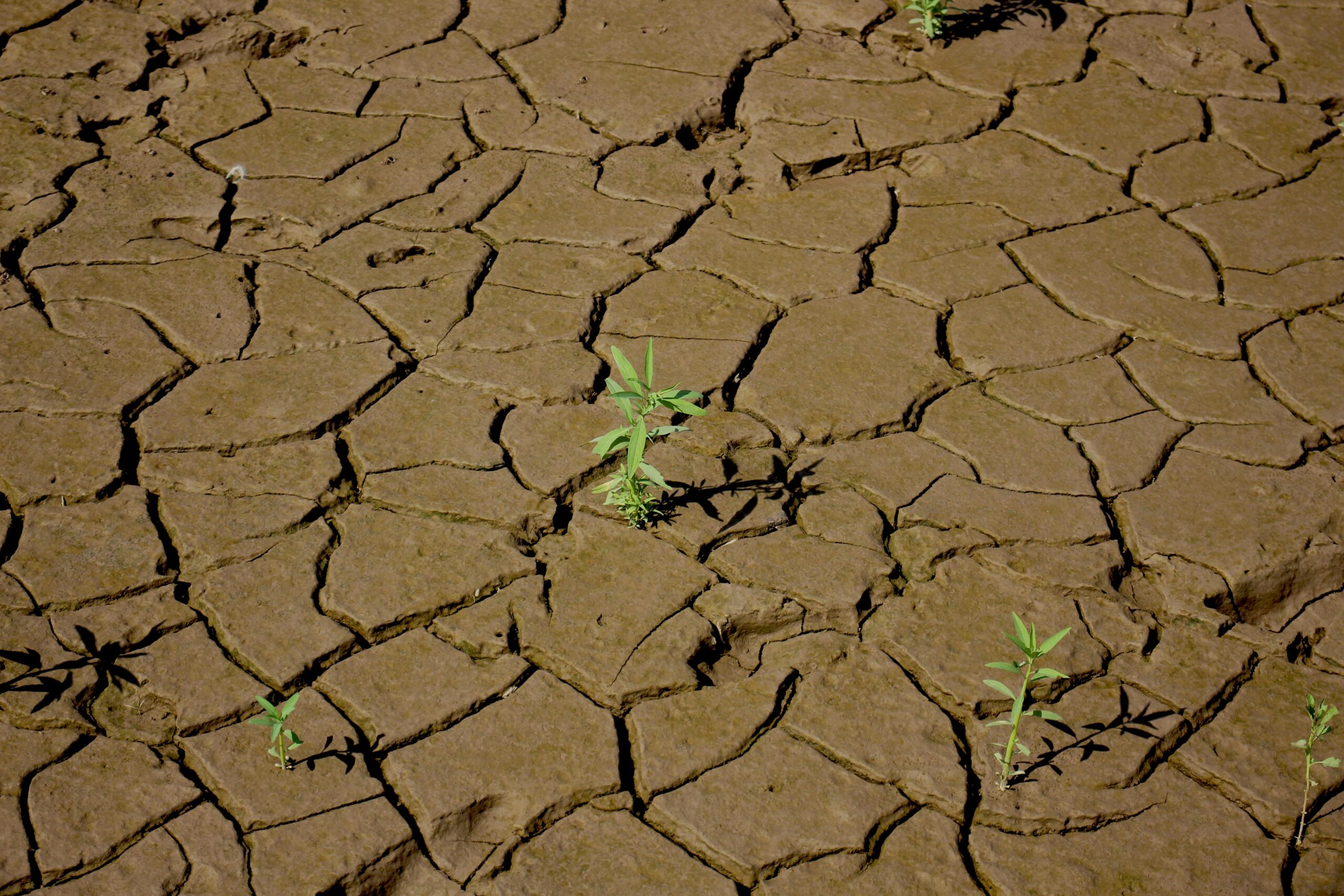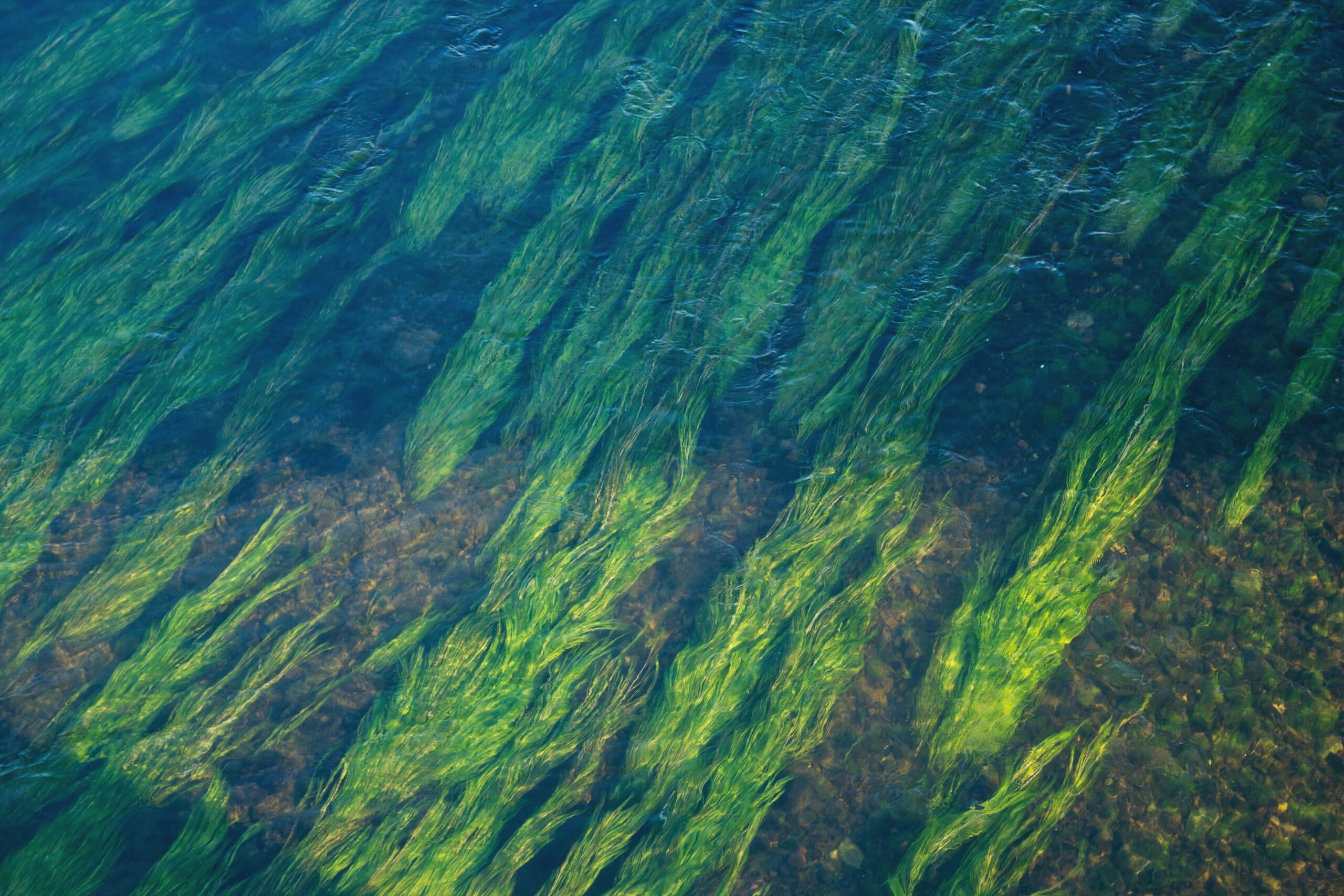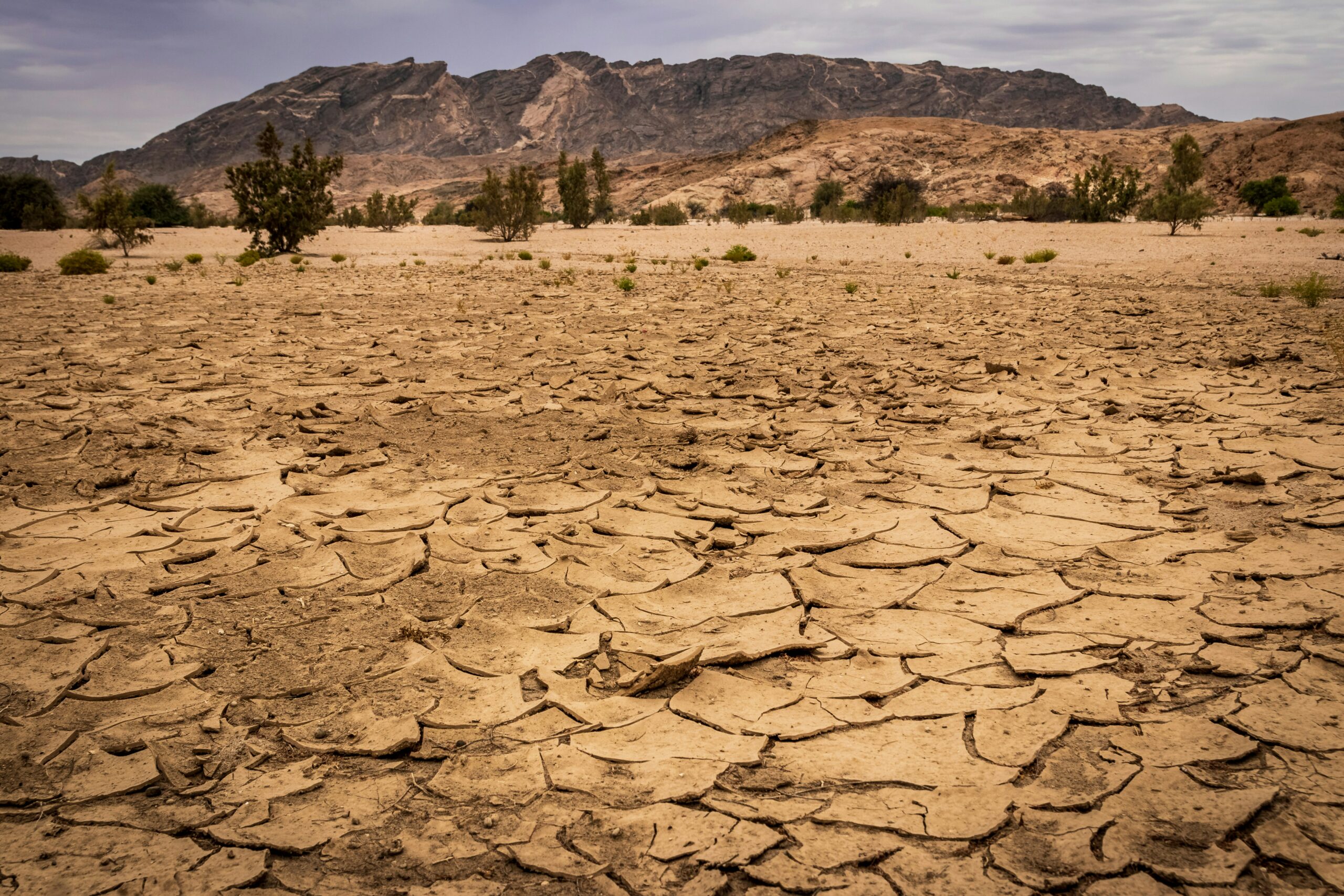
The escalating crisis of water scarcity is now impacting roughly half of the world’s population for at least one month each year, posing severe risks to global stability, food security, and public health. This stark reality, confirmed by recent environmental assessments, highlights a complex interplay of rapid population growth, climate change, and inefficient resource management that is pushing many regions toward ecological and humanitarian thresholds. Experts are urging immediate, coordinated global action to overhaul water infrastructure and adopt sustainable usage practices before acute shortages lead to widespread conflict and massive displacement.
The Scale of the Shortage
While freshwater covers only a small fraction of the Earth, its uneven distribution and increasing demand are creating unprecedented stress. Data reveals that approximately four billion people, predominantly residing in Asia and Africa, face severe water stress periods that disrupt agriculture, industry, and daily life. This is not merely a problem of arid regions; industrialized nations, including parts of the United States and Europe, are experiencing recurrent droughts threatening major metropolitan areas and essential crop production.
The underlying causes are multifaceted. Climate change exacerbates the issue by altering precipitation patterns, leading to prolonged dry spells in temperate zones and erratic, destructive flooding elsewhere. Simultaneously, burgeoning populations require exponentially more water for drinking, sanitation, and food production. Agriculture, which consumes nearly 70% of the world’s freshwater, remains the greatest pressure point.
Economic and Social Fallout
The consequences of pervasive water stress extend far beyond inconvenience. Economically, dwindling water supplies cripple vital sectors. In regions dependent on hydroelectric power, falling reservoir levels impact energy generation, leading to costly blackouts. For farming communities, crop failures due to drought translate into higher food prices and threaten the livelihoods of millions.
Socially, the crisis fuels inequality. Marginalized communities often bear the brunt of shortages, lacking the necessary infrastructure or financial means to access reliable, clean water sources. The World Health Organization repeatedly stresses that access to safe water and sanitation is a fundamental step in promoting public health, yet millions still rely on contaminated supplies, contributing to the spread of preventable diseases such as cholera and typhoid.
Adopting Sustainable Water Futures
Addressing this global challenge requires a paradigm shift from reactive crisis management to proactive sustainability planning. Governments, industry, and individuals must collaborate to implement effective solutions.
- Technological Innovation: Investing in advanced desalination technologies in coastal regions and improving wastewater recycling systems can significantly bolster available supplies. Smart agricultural techniques, such as drip irrigation and drought-resistant cropping, must replace outdated, wasteful flood irrigation methods.
- Policy and Governance: Stronger international and national policies are needed to govern transboundary water sources and ensure equitable allocation. Pricing mechanisms that reflect the true value and scarcity of water can encourage conservation among industrial and private users.
- Infrastructure Overhaul: Many areas suffer from massive water loss due to leaking, aging pipes. Modernizing municipal water infrastructure is crucial to maximizing the efficiency of existing resources.
- Ecosystem Protection: Protecting and restoring vital natural “water towers,” such as wetlands and forests, helps regulate flow, recharge groundwater, and filter pollutants naturally.
The path toward water security is complex, demanding immense political will and significant financial investment. However, global institutions warn that the cost of inaction—measured in human suffering, economic instability, and potential conflict—far outweighs the investment required to secure the world’s most precious resource. Ensuring a future where all people have reliable access to clean water is essential for achieving broader global development goals.