Luleå, Sweden – The planet’s frigid high latitudes, long considered bastions of deep cold, are now experiencing accelerated warming that profoundly threatens global environmental stability and human communities. New research consistently signals that the Arctic and surrounding regions are heating at a rate dramatically exceeding the global average, triggering irreversible changes to essential Earth systems.
Arctic Warming Creates Devastating Ripple Effects
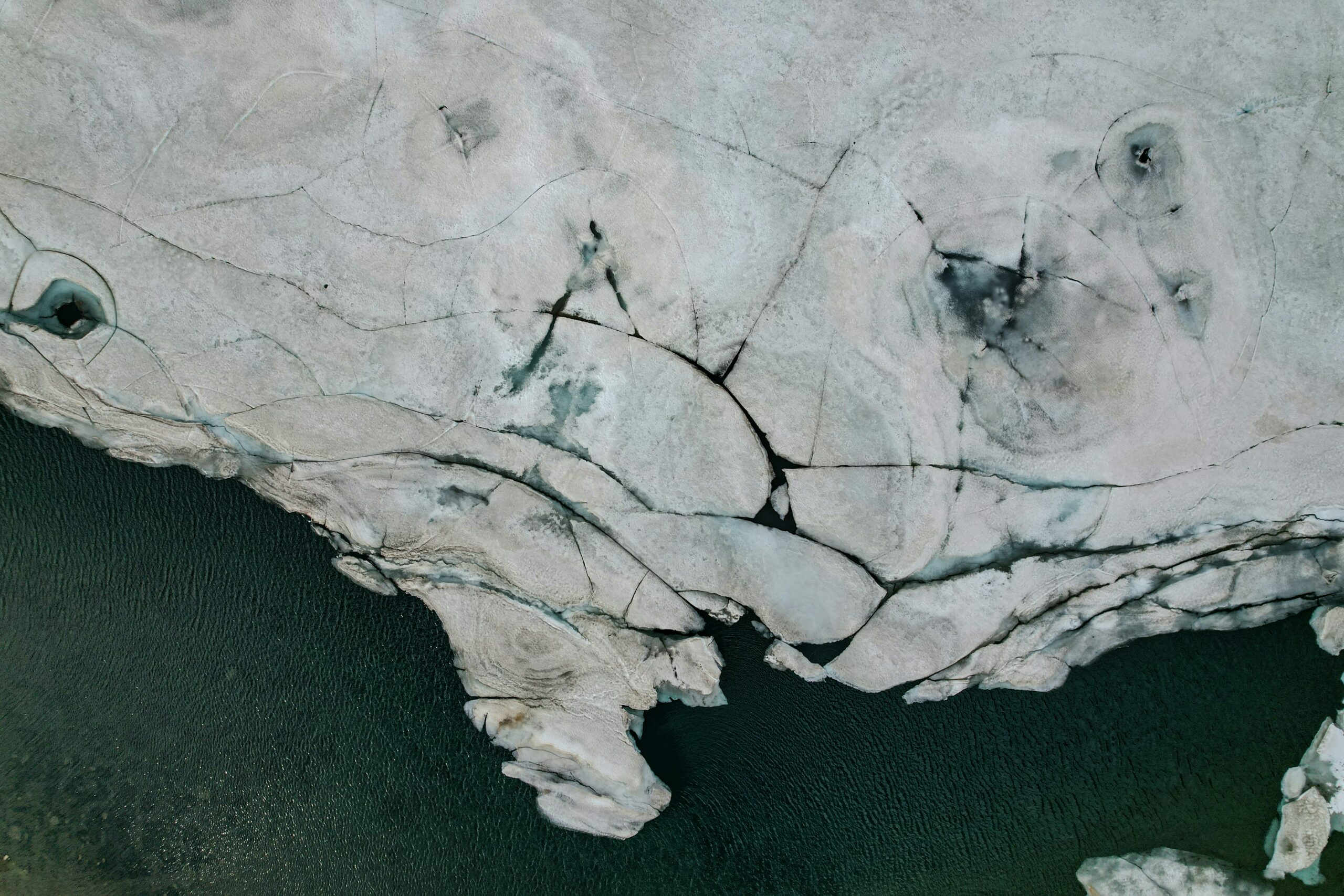
According to analysis from multiple leading climate organizations, temperatures in the Arctic are rising nearly four times faster than the rest of the world. This disproportionate heating is fueling a cascade of destructive events, most visibly the rapid melting of ice sheets and glaciers.
Since the mid-20th century, vast quantities of ancient, multi-year sea ice have vanished, replaced by thinner, seasonal ice that melts more quickly each summer. The Greenland Ice Sheet, a monumental reservoir of frozen water, is losing mass at an unprecedented rate, contributing significantly to rising global sea levels. Coastal communities around the world, from bustling metropolises to small island nations, face increasing dangers from inundation and storm surges as the oceans expand.
Beyond sea-level rise, the warming trend fundamentally destabilizes ecosystems and infrastructure. Researchers are particularly concerned about the thawing of permafrost, permanently frozen ground that locks away enormous stores of carbon dioxide and methane, potent greenhouse gases.
“When permafrost thaws, it transforms from a robust carbon sink into a potential carbon bomb,” explains Dr. Elara Jensen, a climate scientist at the Stockholm Resilience Centre. “Releasing these ancient greenhouse gases creates a self-reinforcing feedback loop, intensifying global warming further, even if we halt all human emissions tomorrow.”
Direct Impact on Northern Communities
The changing climate is not merely an abstract geopolitical problem; it is reshaping the daily lives and long-term viability of communities across the Arctic Circle. Indigenous populations, who have relied on stable ice and frozen ground for millennia, find their traditional hunting and travel routes unreliable and dangerous.
Infrastructure built upon permafrost—including roads, pipelines, homes, and military installations—is sagging, cracking, and collapsing as the ground beneath becomes unstable slurry. Billions of dollars will be required to adapt or relocate essential services in northern Russia, Alaska, Canada, and Scandinavia.
Furthermore, the shift in thermal regimes is dramatically altering vegetation and wildlife patterns. Temperate species are migrating northwards, competing with native Arctic fauna such as polar bears, seals, and reindeer, whose survival is intrinsically linked to the presence of stable sea ice and snow cover.
Urgent Action Required to Slow Feedback Loops
While the warming of the Arctic presents daunting challenges, experts emphasize that mitigating the immediate threat requires aggressive, coordinated global action to reduce fossil fuel use and achieve net-zero emissions targets. Slowing overall global temperature rise is the only way to moderate the feedback loops currently accelerating melting and permafrost release.
Governments and international bodies are prioritizing research into resilient cold-weather infrastructure and supporting indigenous-led conservation efforts to protect crucial habitats. However, the window for impactful intervention is narrowing. The future stability of the world’s oceans and climate systems hinges critically on the fate of the planet’s frozen north.