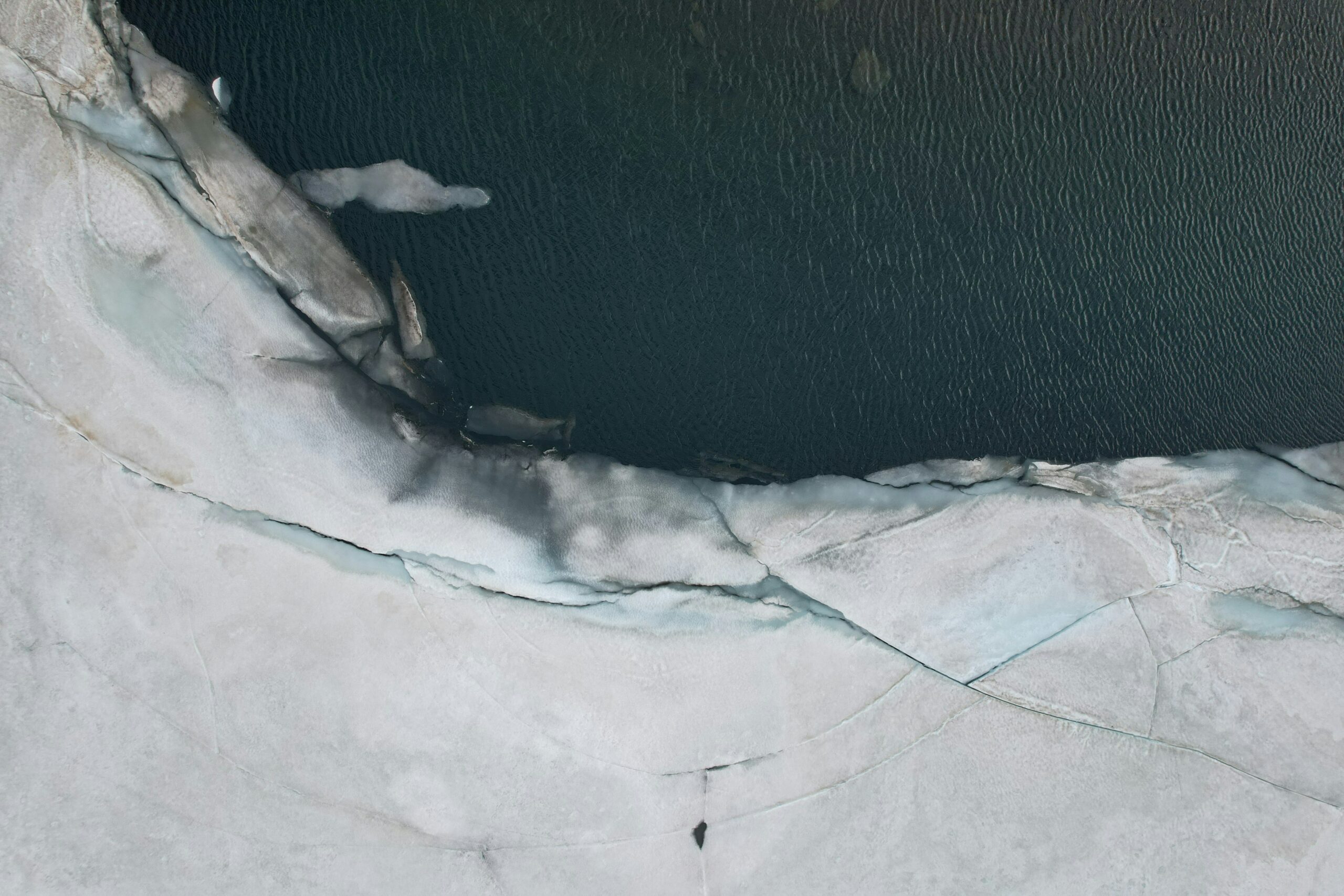
The unprecedented speed at which Earth’s polar ice sheets are diminishing poses a critical threat to global sea levels and immediate coastal communities, according to a major new international scientific review. Researchers from dozens of institutions worldwide have confirmed that the rate of ice loss from both Greenland and Antarctica has surged significantly over the past three decades, primarily driven by rising global temperatures and warming ocean waters, accelerating the timeline for severe coastal flooding worldwide.
The collaborative study, which integrated data from multiple satellite missions and ground observations stretching back to the 1990s, provides the most comprehensive evaluation to date of the planet’s largest ice reserves. The findings illustrate a stark trend: while the ice sheets were relatively stable in the early 1990s, the loss rates have tripled in the last fifteen years. Since precise satellite monitoring began in 1992, the two massive ice sheets combined have shed approximately 7.2 trillion tonnes (about 7,200 gigatonnes) of ice.
Antarctica and Greenland Drive Sea Level Rise
Greenland, the northern hemisphere’s vast ice mass, has been the single largest contributor to the overall loss. Its glaciers are retreating rapidly, primarily reacting to warming summer air temperatures that melt surface snow and ice. The meltwater runs into the ocean, contributing directly to rising sea levels.
Antarctica, the southern hemisphere’s immense ice sheet, presents a more complex picture. While historically less susceptible to surface melting than Greenland, the Antarctic ice loss is overwhelmingly driven by warming ocean currents eroding the undersides of the massive floating ice shelves that fringe the continent. These ice shelves act as buttresses, stabilizing the internal, grounded ice. When the shelves thin or collapse due to contact with warmer deep ocean water, the flow of inland glaciers into the sea accelerates dramatically.
Scientists involved in the review warned that this sustained acceleration surpasses even the more pessimistic scenarios previously modeled by the Intergovernmental Panel on Climate Change (IPCC). This substantial ice flux means that sea level rise projections for the end of the century may need upward revision, impacting planning for coastal protection, infrastructure, and resettlement strategies globally.
Implications for Coastal Planning
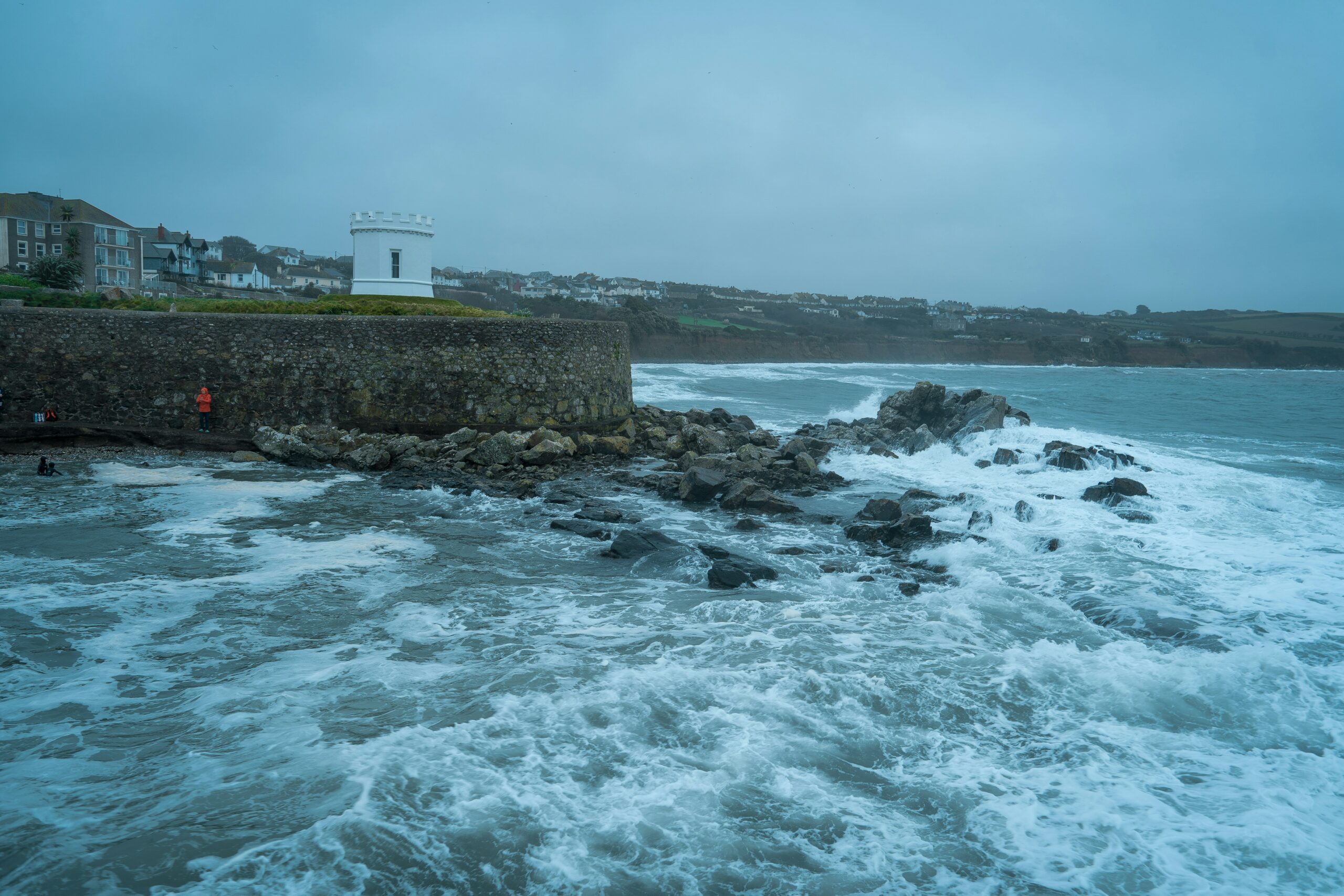
The resulting sea level rise is not uniformly distributed across the globe, but the implications for low-lying and heavily populated coastal regions are dire. Since 1992, the melting ice sheets have added roughly 20 millimetres to the average global sea level. While this may seem minor, the consistent addition contributes to increasingly frequent and severe coastal flooding events during storms and high tides.
For local authorities and governments, these findings deliver a clear imperative: adaptation measures must be scaled up and enacted quickly. This includes strategies ranging from developing strong sea walls and relocating critical infrastructure to restoring natural flood defenses like mangrove forests and vital wetlands.
Key Facts on Polar Ice Loss:
- The combined ice sheets of Greenland and Antarctica are the primary non-thermal contributors to global sea level rise.
- The rate of ice loss has accelerated three-fold since the 1990s.
- Greenland’s loss is primarily driven by air temperature melt; Antarctica’s loss is largely driven by ocean warming underneath ice shelves.
Sustained global efforts to drastically reduce greenhouse gas emissions remain the fundamental long-term solution to slow the melting, but the immediate reality demands proactive adaptation. Failing to urgently address these accelerating trends will leave vulnerable coastal communities exposed to increasingly catastrophic environmental shifts throughout the coming decades.