The planet’s water cycle is accelerating due to human-induced global warming, according to new analysis, driving both intensified rainfall and more severe drought conditions across the globe. This crucial shift confirms long-standing climate model predictions, demonstrating that as the atmosphere warms, its capacity to hold moisture increases, fundamentally altering the timing and magnitude of precipitation events worldwide, demanding urgent attention from policymakers and communities preparing for future climate shocks.
The Mechanism Behind Hydroclimatic Shifts
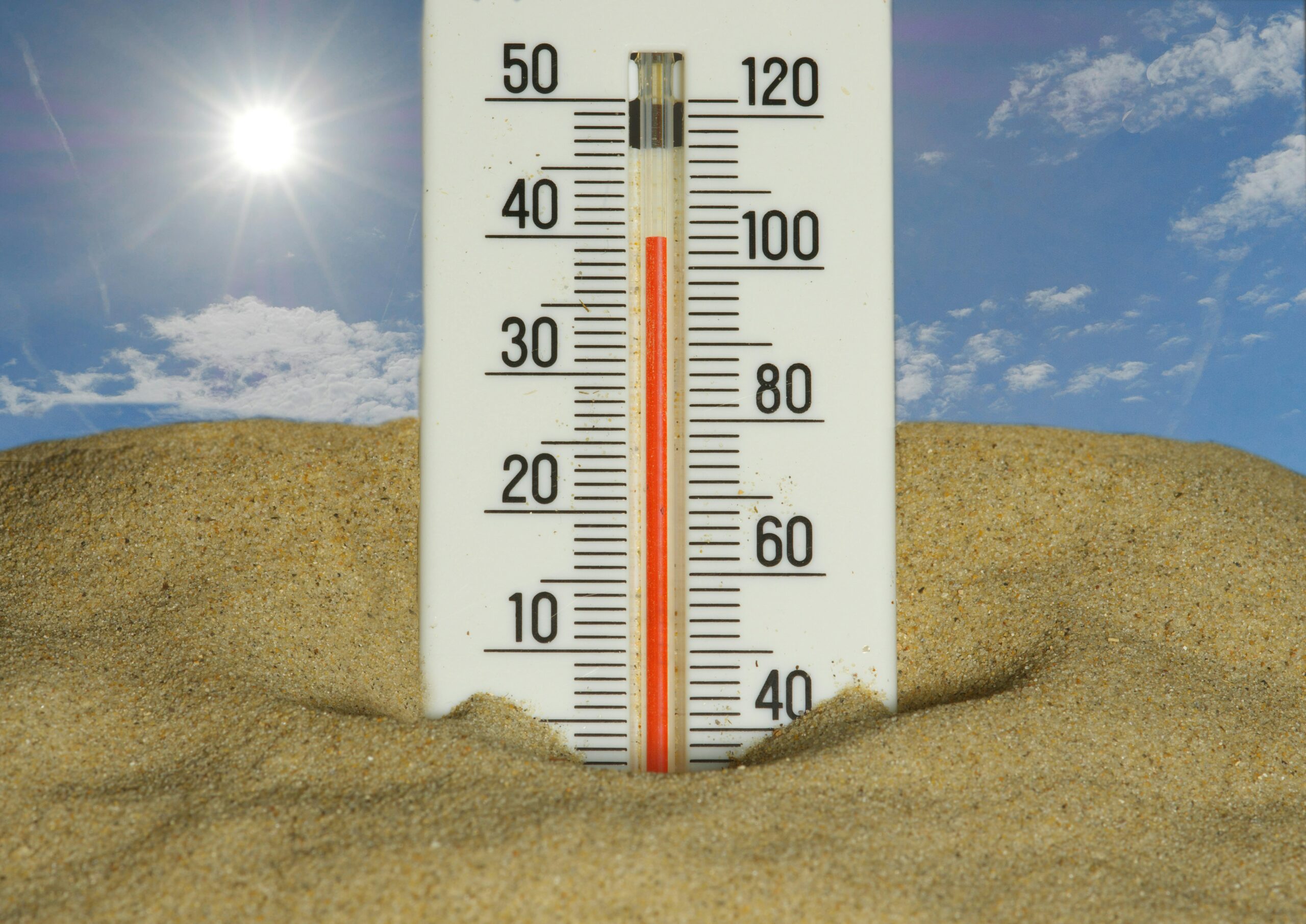
Scientists have long understood that for every degree Celsius the atmosphere warms, it can hold approximately 7% more water vapor—a fundamental thermodynamic principle governed by the Clausius-Clapeyron relation. Recently published research, synthesizing decades of observational data from multiple climate monitoring satellites and ground stations, definitively shows this effect is actively magnifying the transfer of water between the Earth’s surface and the atmosphere.
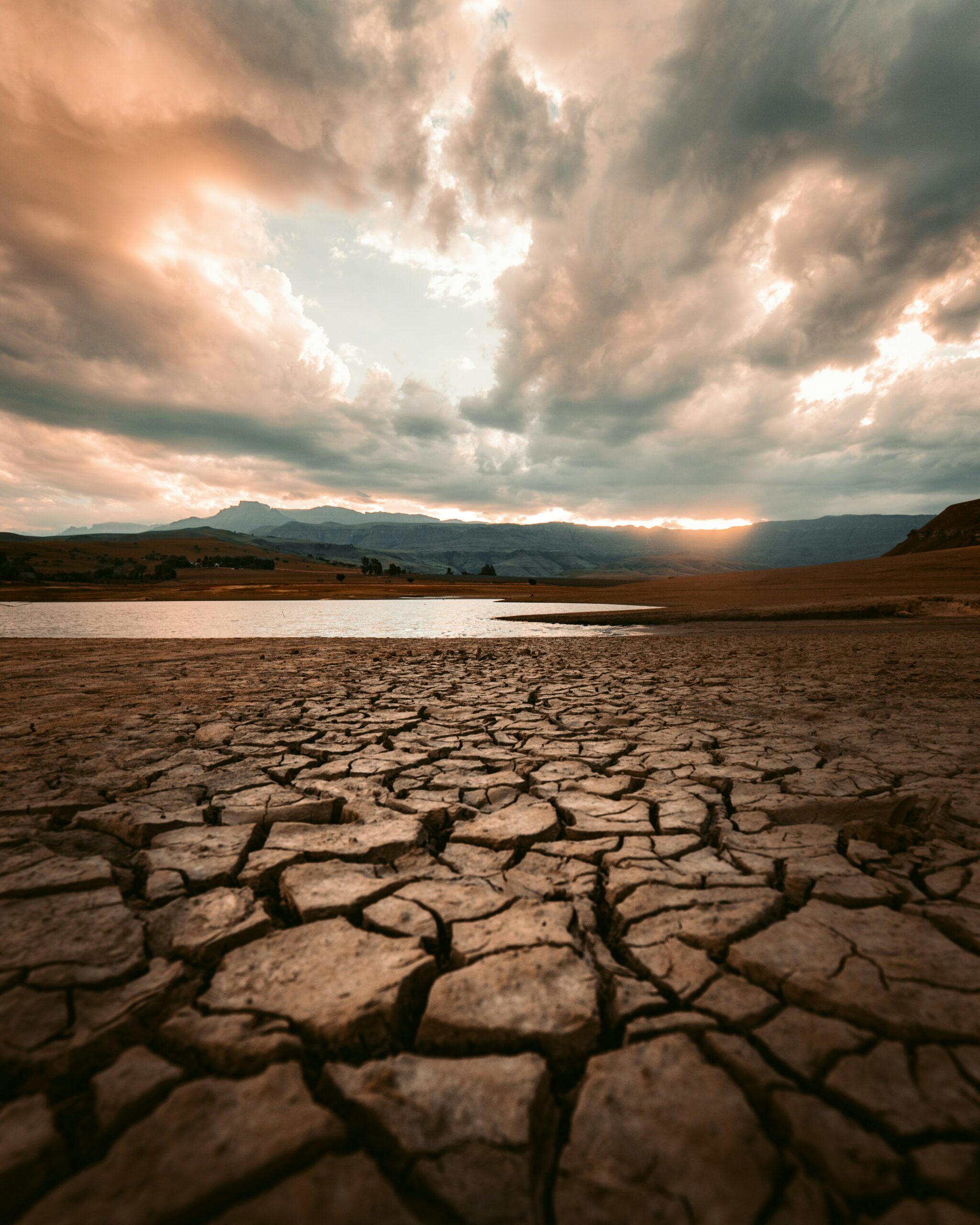
This enhanced atmospheric capacity has a dual impact. In regions experiencing heavy rainfall, more water is available to fall, leading to shorter, more intense downpours and significantly increasing the risk of flash flooding. Conversely, in already dry regions, the warmer air extracts more moisture from soil, vegetation, and surface water bodies through evaporation, exacerbating existing drought conditions and prolonging periods of aridity.
Dr. Eleanor Vance, a lead climatologist on a recent international study, noted the clarity of the evidence: “We are seeing the models play out in real-time. The hydrological cycle is not gradually speeding up; the variance is increasing dramatically. This polarization—where the wet extremes become wetter and the dry extremes become drier—is the defining feature of the climate crisis right now.”
Global Implications for Infrastructure and Agriculture
The implications of an accelerating water cycle are profound, affecting critical global systems. Agricultural stability is particularly vulnerable. More frequent, intense floods devastate harvests and erode fertile topsoil, while prolonged droughts deplete reservoirs necessary for irrigation, leading to crop failures, reduced yields, and increased food insecurity.
Furthermore, water resource management, especially in densely populated river basins, faces unprecedented challenges. Outdated stormwater infrastructure, designed for historic rainfall patterns, is frequently overwhelmed, contributing to urban flooding and the contamination of drinking water sources.
Key Impacts of an Accelerated Water Cycle:
- Increased Flood Risk: Shorter, heavier precipitation events overwhelm drainage systems.
- Prolonged Drought: Enhanced evaporation deepens and lengthens periods of water shortage.
- Shifts in Monsoon Systems: Changes to traditional seasonal rains, impacting billions dependent on agriculture.
- Water Quality Degradation: High runoff increases sediment and pollutant loads in rivers and reservoirs.
Coastal communities must also contend with the synergistic effect of intense rainfall combined with sea level rise, which diminishes the capacity of land to drain floodwaters effectively, compounding local risks.
Building Resilience in a Changing Climate
Addressing the accelerating water cycle requires a two-pronged approach: aggressive mitigation of greenhouse gas emissions to stabilize global temperatures, and focused adaptation strategies to build climate resilience.
For communities grappling with intensified water extremes, experts recommend immediate investments in climate-resilient infrastructure and smarter water management techniques. This includes expanding natural flood defenses, such as restoring wetlands and floodplains, and implementing integrated water resources planning that accounts for future variability, not just past averages.
On an individual level, understanding local risk profiles—whether related to flash flooding or water scarcity—is increasingly vital. Local governments and utility providers are encouraged to communicate these risks clearly and invest in early warning systems for both drought and severe weather. The evidence is clear: the Earth’s vital water systems are undergoing a rapid transformation, demanding immediate and coordinated global action to safeguard livelihoods and resources.