The planet’s intricate water cycle is speeding up dramatically, a development directly linked to rising global temperatures, according to a landmark new analysis of oceanic and atmospheric data. Leading climate scientists report that the increased energy held within a warmer atmosphere is causing greater evaporation and more intense precipitation events, fundamentally altering global weather patterns with significant implications for human societies and ecological systems worldwide.
Understanding the Intensified Water Cycle
The water cycle, a critical engine for life, involves the continuous movement of water above, on, and below the surface of the Earth. As the Earth warms due to greenhouse gas emissions, a fundamental thermodynamic principle—the Clausius-Clapeyron relation—comes into play: the air can hold approximately 7% more moisture for every degree Celsius rise in temperature. This augmented moisture content acts as a powerful accelerator for the entire cycle.
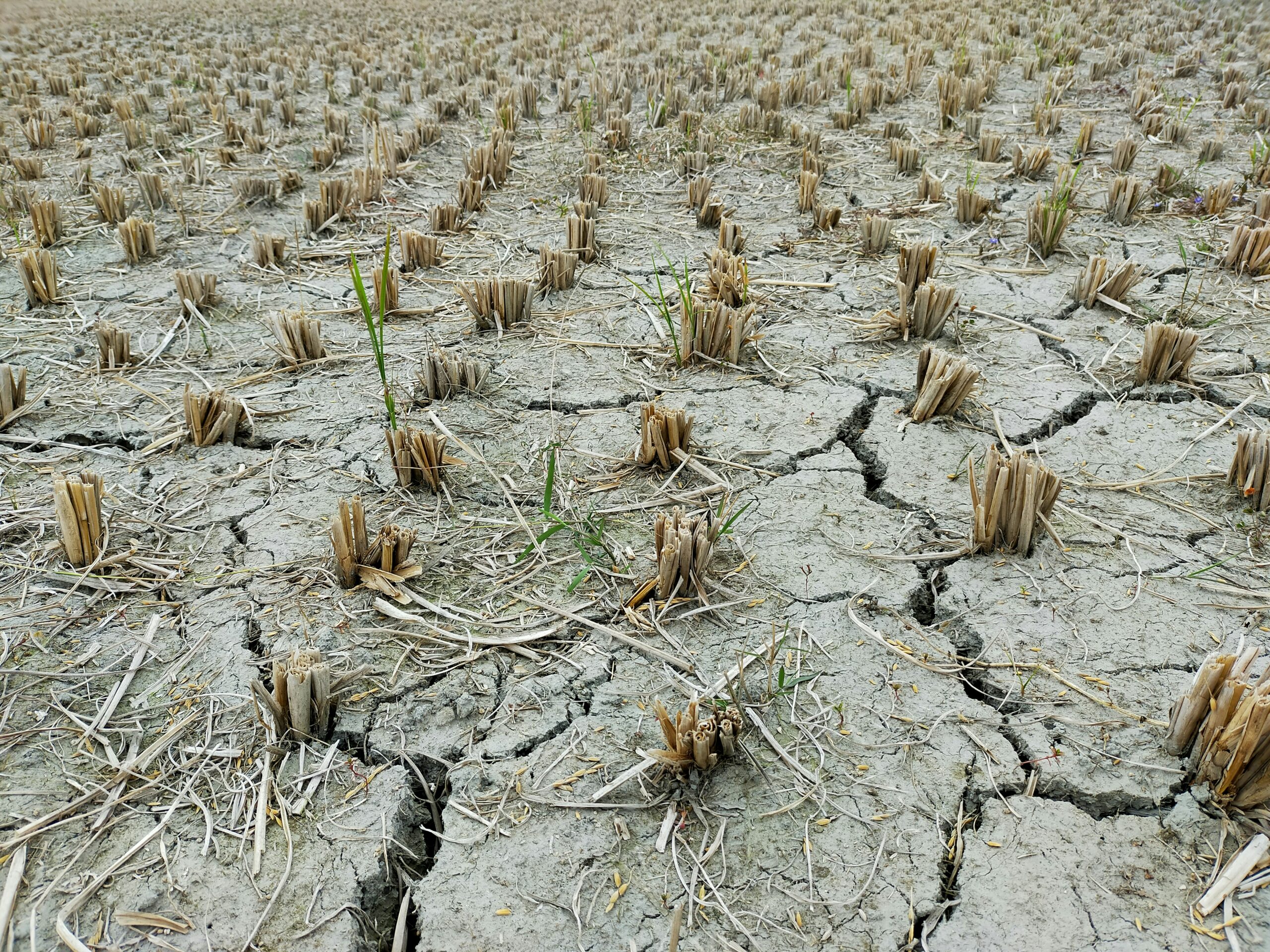
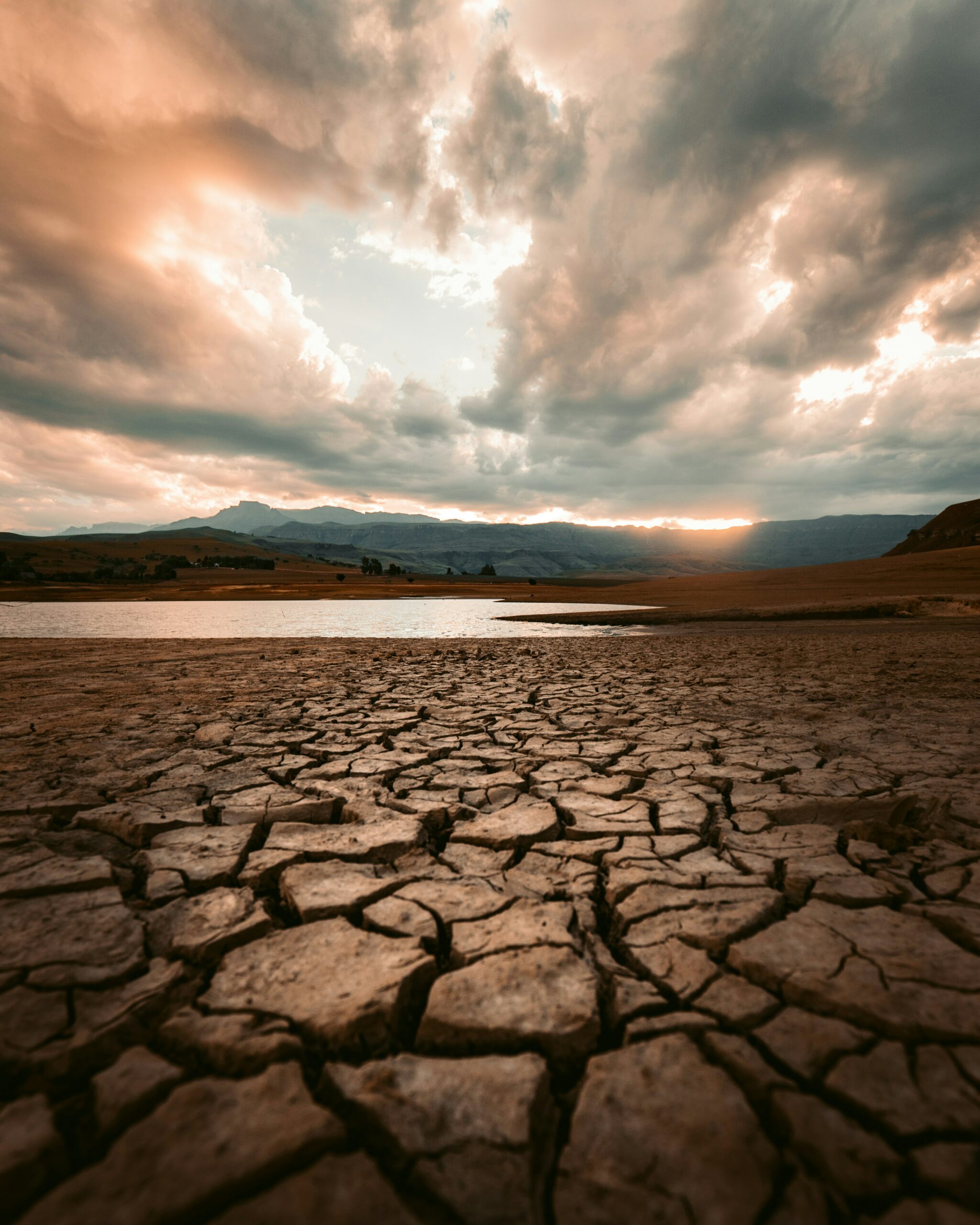
Researchers analyzing decades of satellite observations and ground measurements have found clear evidence of this acceleration. A faster cycle means dry regions are experiencing more rapid and severe water loss through evaporation, exacerbating droughts. Conversely, areas prone to heavy rainfall are witnessing sudden, massive downpours, leading to increased risk of devastating floods. Essentially, climate change is intensifying the extremes of the water spectrum.
Dr. Sarah Chen, a climate dynamicist at the University of Cambridge, explained the shift: “We are moving away from a steady, predictable water system. The atmosphere is now acting like a thirsty sponge that, when saturated, releases its load with unprecedented force. This is not just theoretical—it is evident in the record-shattering flood events and persistent mega-droughts witnessed globally.”
Key Impacts on Global Systems
The consequences of this intensified cycle ripple through multiple sectors critical for human welfare.
- Agriculture and Food Security: Predictable rainfall is essential for crop production. Accelerated evaporation dries out topsoil prematurely, dramatically lowering yields in crucial grain-producing regions. Meanwhile, intense floods can wipe out harvests instantly and contaminate water sources.
- Infrastructure Stress: Current drainage and flood management systems were designed for a less volatile climate. Rapid, high-volume rainfall overwhelms existing infrastructure, leading to billions in damage to roads, bridges, and housing, as recently seen across parts of Asia and Europe.
- Freshwater Scarcity: While rainfall totals might remain stable in some regions, the timing and intensity have changed. Water that falls too quickly often runs off rather than sinking into ground aquifers, limiting the recharge of vital underground freshwater reserves.
Evidence suggests that melting glaciers and ice sheets are also contributing to the cycle’s acceleration by injecting massive amounts of freshwater into the oceans, further influencing sea levels and ocean currents that govern atmospheric circulation.
Adapting to a Volatile Water Future
To mitigate the escalating risks, experts stress the need for significant societal adaptation alongside global emission reduction efforts. Local authorities and governments must urgently reassess infrastructure tolerances against projections for more extreme weather.
Actionable steps emphasized by environmental planners include:
- Integrated Water Management: Moving beyond traditional siloed approaches and adopting holistic strategies that manage water resources from catchment to consumption.
- Climate-Resilient Agriculture: Investing in drought-resistant crops, efficient irrigation technologies, and techniques that enhance soil’s ability to retain moisture.
- Nature-Based Solutions: Utilizing ecosystems, such as restoring wetlands and expanding urban green spaces, to naturally absorb floodwaters and aid groundwater recharge.
The findings underscore that global warming is fundamentally disrupting the life-sustaining pulse of the planet. Experts affirm that navigating this more intense and erratic water future will define a major challenge for the 21st century, requiring immediate, coordinated action to protect vulnerable populations and secure critical resources.