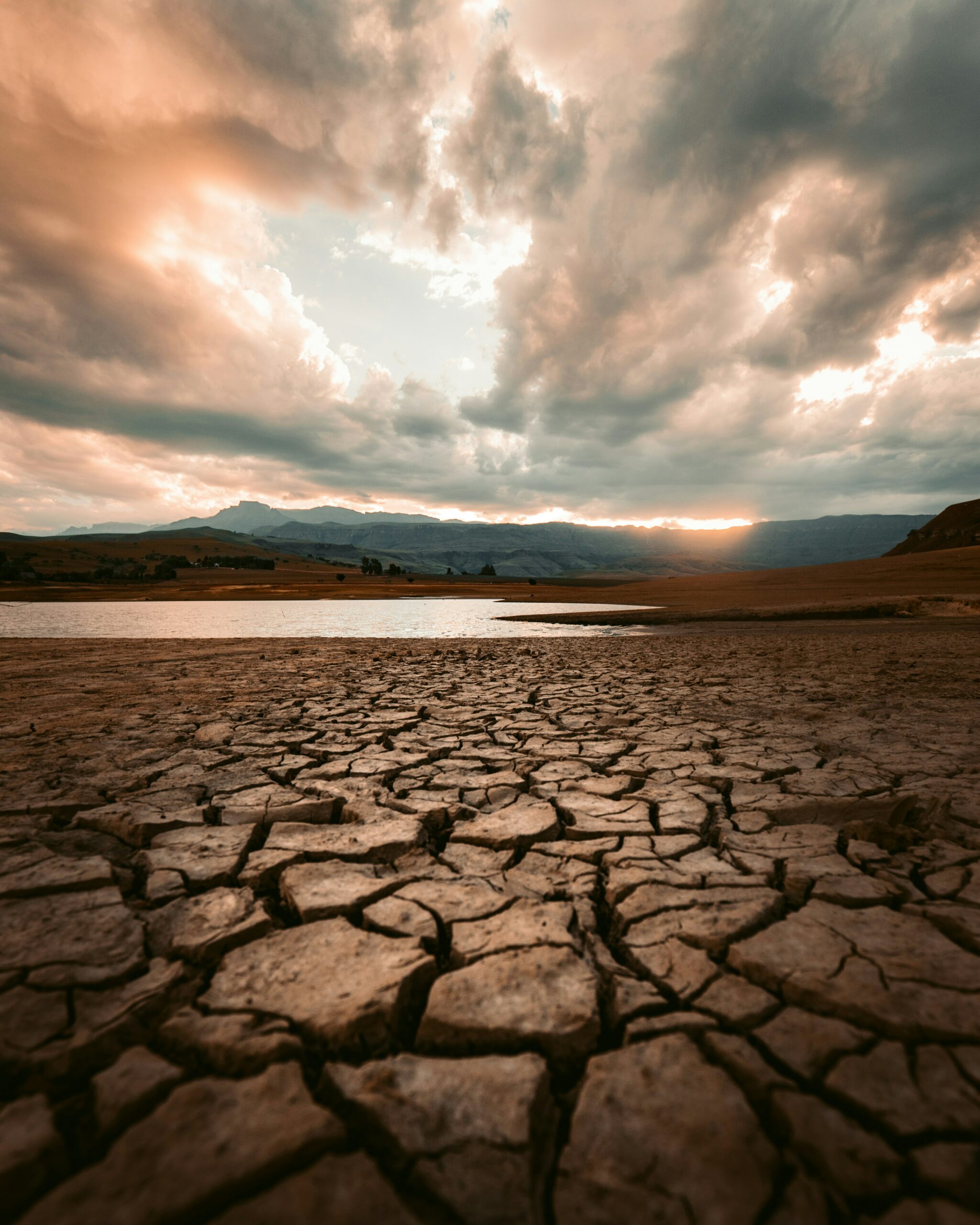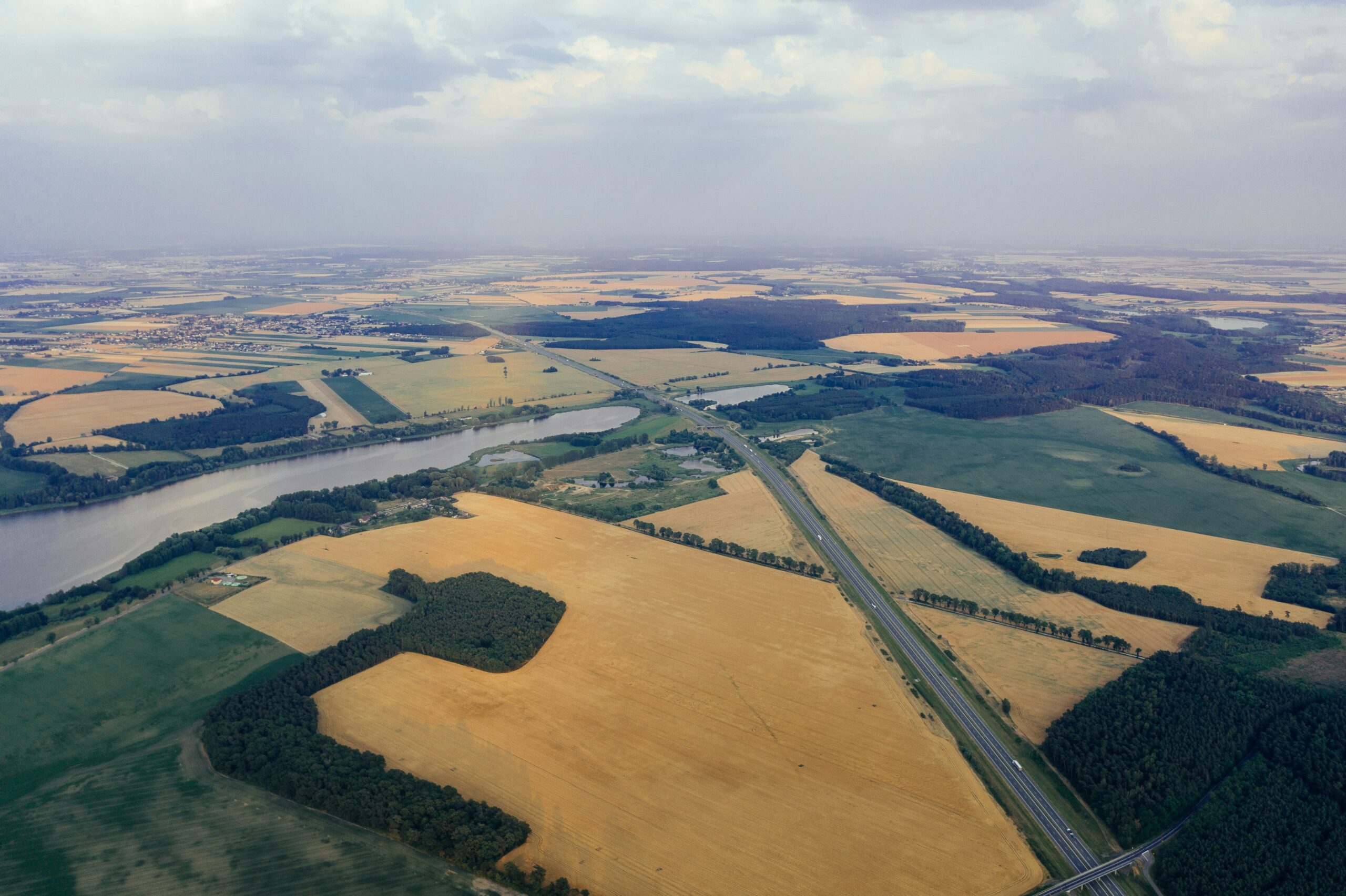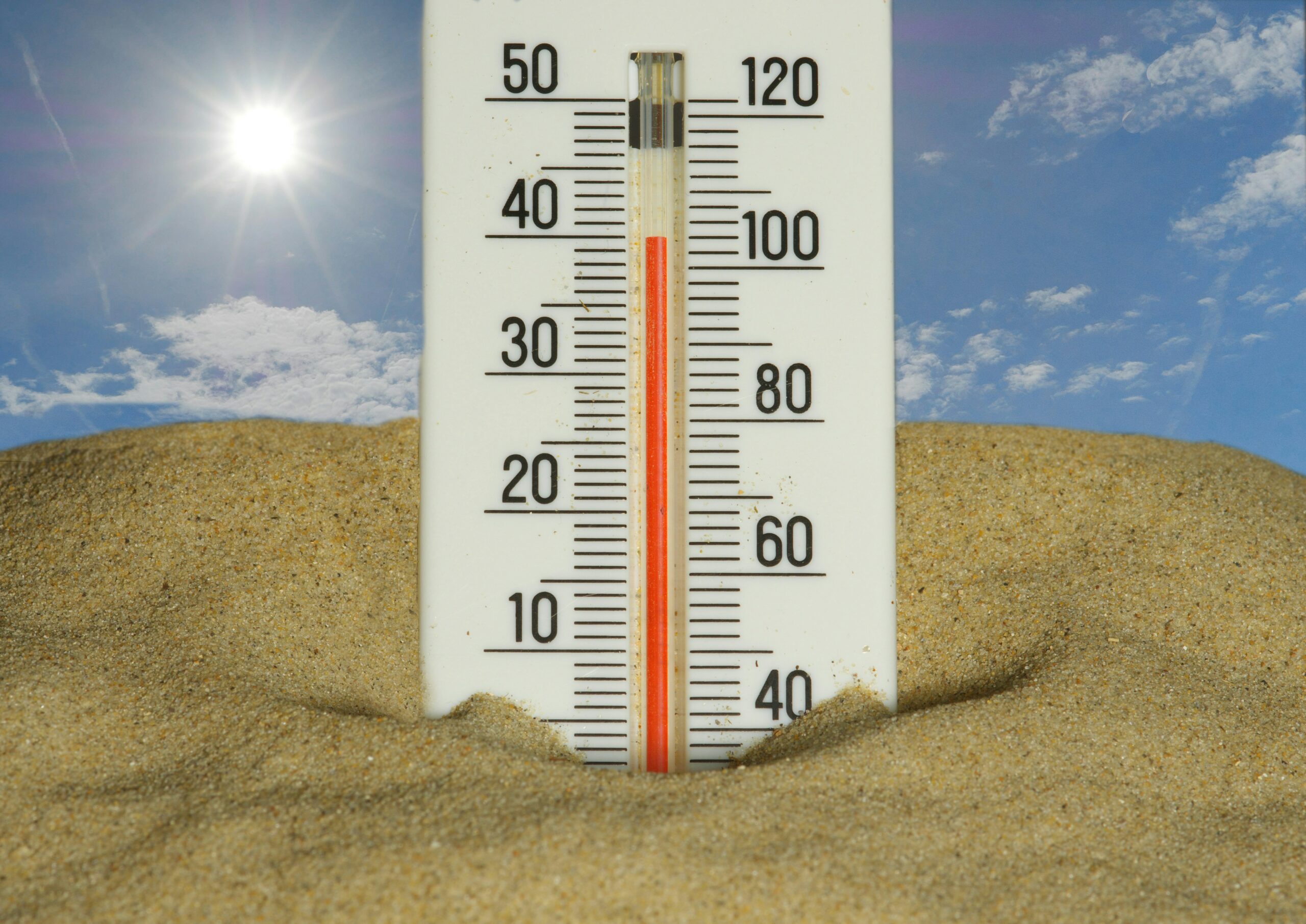
The world experienced its warmest 12-month period on record between June 2023 and May 2024, significantly breaching the critical 1.5°C threshold of pre-industrial levels, signaling an alarming acceleration of the climate crisis, according to recent analysis from Copernicus, the European Union’s leading climate monitoring service. This unprecedented sustained warming is driving increasingly severe extreme weather events across every continent, raising urgent questions about the efficacy of global mitigation efforts and the immediate need for enhanced climate adaptation strategies worldwide.
Sustained Breach of Critical Climate Limits
The period analyzed by Copernicus confirmed that the global average temperature soared to 1.63°C above the 1850-1900 pre-industrial baseline. While month-to-month fluctuations exist, this consistent 12-month breach underscores a critical departure from the goals set during the Paris Agreement, which aimed to limit long-term warming to well below 2°C, and ideally 1.5°C.
Scientists attribute this record-breaking warming primarily to the cumulative effects of greenhouse gas emissions, exacerbated by the recent El Niño weather pattern. The combination created feedback loops contributing to widespread heatwaves, devastating droughts, and exceptional marine heat stress across the Atlantic and Pacific Oceans.
“These numbers are not abstract; they represent real-world suffering and irreversible environmental damage,” stated Dr. Carlo Buontempo, Director of the Copernicus Climate Change Service (C3S). “We are now firmly within a sustained period of warming that requires a paradigm shift in how nations approach energy, policy, and infrastructure planning.”
Widespread Impacts and Mitigation Challenges
The ecological and societal implications of this rapid warming are becoming increasingly visible. In Asia, extreme spring heat shattered temperature records, leading to widespread power outages and dangerously low crop yields. Conversely, regions in Europe and North America faced unprecedented torrential rainfall and flooding, highlighting the chaotic variability inherent in a warmer climate.
The sustained marine heatwaves are causing mass coral bleaching events globally, threatening critical marine biodiversity and the fisheries that support millions of livelihoods. Concurrently, the rate of sea-level rise continues to trend upward, endangering low-lying coastal communities.
Experts emphasize that although the recent El Niño event is naturally contributing to some of the observed warmth, the overwhelming driver remains human activity. This signifies that without immediate and drastic reductions in fossil fuel dependence, the trajectory toward catastrophic warming remains locked in.
Urgent Call for Adaptation and Resilience
The scientific consensus is that while the 1.5°C limit defined by the Paris Agreement refers to a multi-decadal average, the current sustained breach confirms that the world is running out of time to implement effective systemic changes.
Key areas requiring immediate global action include:
- Accelerated Transition to Renewables: Implementing binding targets to phase out coal and rapidly scale solar, wind, and geothermal energy.
- Enhanced Climate Resilience: Investing in robust infrastructure capable of withstanding extreme weather, such as sophisticated flood defenses and resilient agricultural technologies.
- International Financial Support: Ensuring developed nations meet their commitments to fund adaptation and mitigation efforts in vulnerable developing countries.
As global leaders prepare for the next round of climate negotiations, the latest Copernicus data serves as a stark reminder that delay is no longer an option. The coming months will be crucial in determining whether the world can pivot from rhetoric to decisive action to safeguard future climate stability.