Maritime Industry Braces for Disruption as Climate Change Intensifies
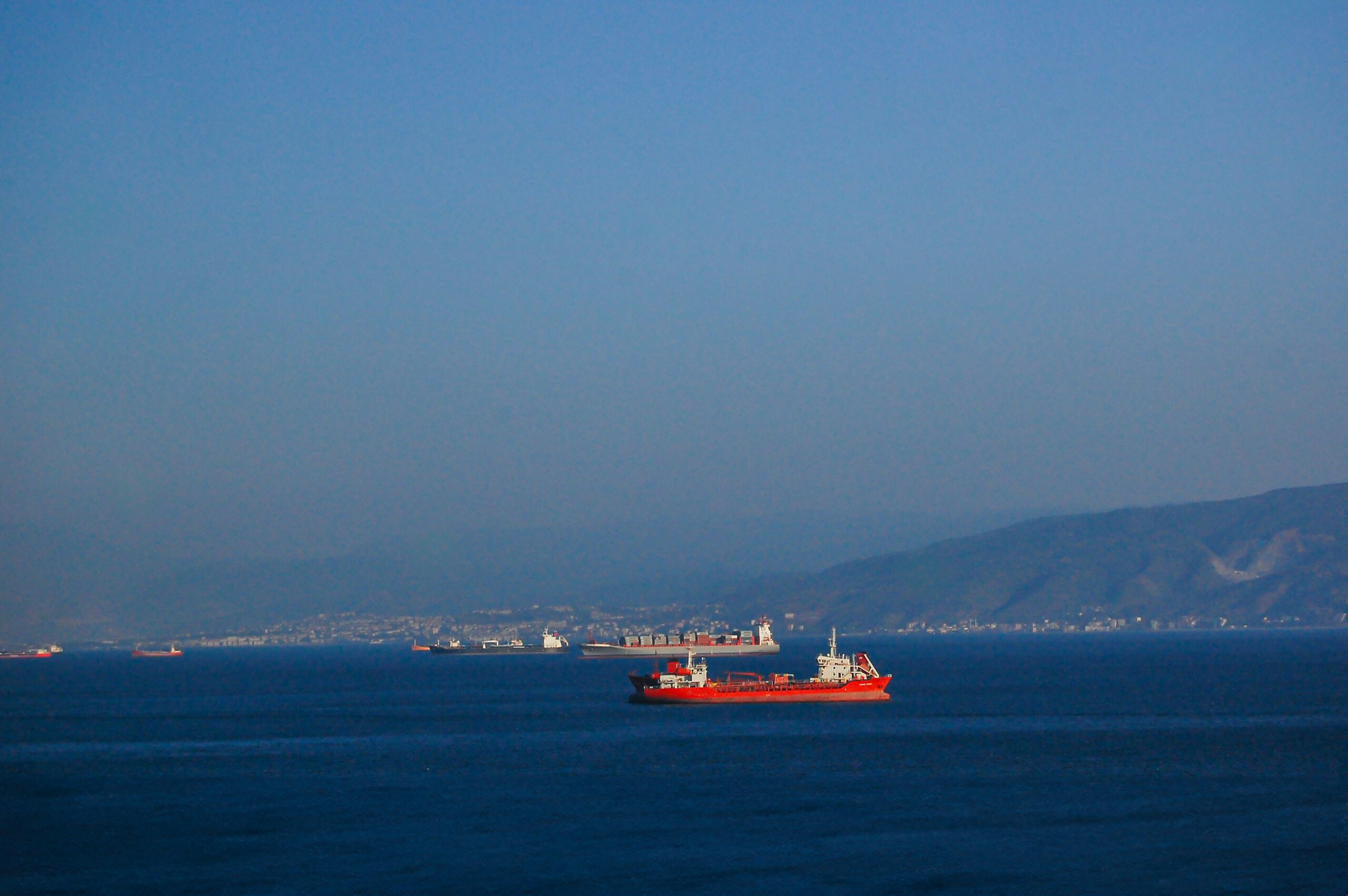
The already volatile global shipping routes passing through the Red Sea are facing an acute new threat: rapidly escalating temperatures driven by climate change, compounding existing geopolitical risks. Experts and industry analysts are warning that severe heat stress poses demonstrable risks to crew health, ship operations, and cargo integrity, potentially causing delays and increasing costs along this critical maritime artery connecting Europe, Asia, and Africa.
The Red Sea, historically prone to high temperatures, is experiencing faster-than-average warming. Data suggests surface water temperatures are regularly reaching hazardous levels, pushing operational limits for vessels. This region is vital for approximately 12% of global trade volume, making any environmental disruption here a powerful ripple in the global economy.
Impact on Crew and Machinery
The most immediate concern is the welfare of seafarers. Long-term exposure to extreme heat, particularly in engine rooms and non-air-conditioned parts of vessels, significantly increases the risk of heat stroke, fatigue, and occupational accidents. Crew members, who often work 10–12 hours a day, are already under immense pressure, and augmented environmental stress reduces efficiency and safety margins.
“The working environment on decks in the summer months is becoming truly brutal,” stated Captain Anya Sharma, a veteran container ship master who recently navigated the zone. “We are mandated to provide extra rest and hydration, but the ambient temperature often renders even standard tasks exhausting. This is no longer just discomfort; it is a genuine safety challenge.”
Furthermore, the mechanical stress on ships is significant. Vessel engines and cooling systems are engineered to operate within specific thermal boundaries. Prolonged exposure to high ambient air and sea water temperatures—used for cooling critical machinery—can lead to power derating, forcing ships to slow down to prevent overheating, or even require emergency shutdowns. These slowdowns translate directly into missed port windows and disrupted supply chain schedules.
Adapting Supply Chain Strategies
Shipping companies and cargo owners are actively reassessing their routes and contingency plans. While geopolitical tensions have already diverted significant traffic around the Cape of Good Hope, vessels still utilising the Red Sea Corridor—often smaller bulk carriers or ships with time-sensitive cargo—must now factor in climate mitigation measures.
Key mitigation strategies being employed include:
- Optimised Scheduling: Planning transits for cooler times of day or routing through less exposed areas where possible, although limited options exist in the strait.
- Enhanced Cooling Systems: Retrofitting or upgrading ship cooling capacity, a costly but increasingly necessary investment.
- Crew Rotation and Training: Implementing stricter work-rest regimes and providing specialised training for identifying and treating heat-related illnesses.
The insurance sector is also taking notice, with some underwriters considering climate risk clauses that account for extreme weather-related delays or equipment breakdown. This potential increase in operational cost is likely to be passed down to consumers, further threatening the temporary deflationary trend seen in container freight rates.
As climate models predict a continuation of aggressive warming in oceanic pinch points like the Red Sea, the maritime industry faces a dual challenge: managing immediate geopolitical threats alongside the systemic, long-term operational hazards posed by environmental change. The operational resilience of global trade hinges on successfully navigating this ever-hotter corridor. Stakeholders agree that adapting infrastructure and protecting human capital are now non-negotiable elements of sustainable global logistics.