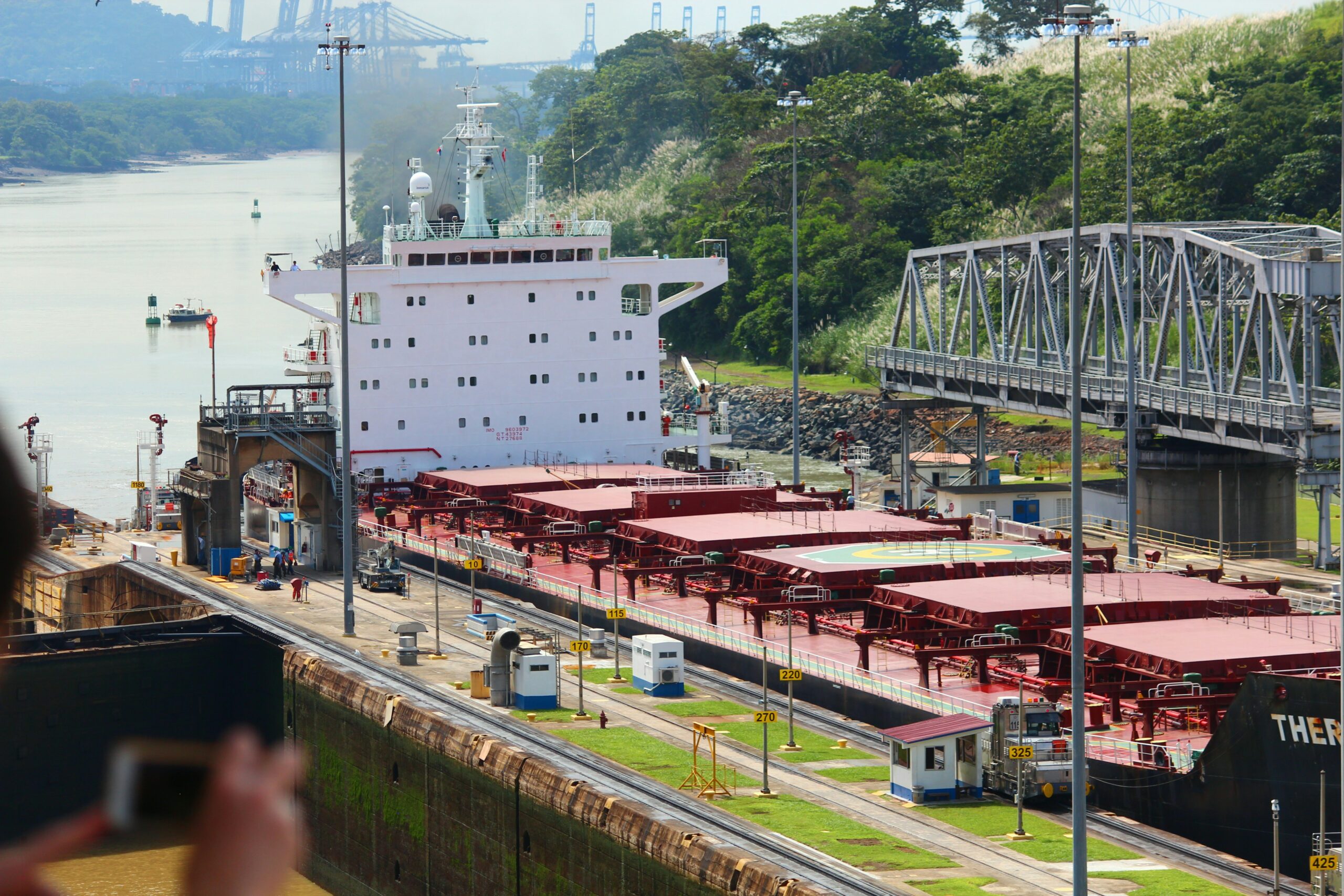
The world’s maritime trade routes are navigating a new challenge as the Panama Canal implements significantly deeper restrictions on daily transit slots, a direct response to persistent, record-low water levels. Starting early next year, the crucial waterway, which facilitates roughly 5% of global marine commerce, will cap daily passages at just 18 vessels, intensifying congestion and fueling concerns about rising shipping costs and delivery delays across multiple sectors.
This unprecedented move, scheduled to take effect in February, marks a substantial decrease from the typical 36 to 38 daily transits. These constraints have been incrementally tightened over the past few months, driven by a severe drought linked to the El Niño phenomenon and climate change impacts. The dwindling water of Gatun Lake, the canal’s primary reservoir that feeds its colossal lock system, has forced administrators to prioritize water conservation over maximum throughput, impacting everything from consumer goods shipped from Asia to South American grain exports.
Escalating Drought Threatens Water Highway
The current operational measures represent the most severe limitations imposed on the 50-mile connector since its opening in 1914. Canal authorities have been forced to progressively reduce the number of booking slots available to maintain minimum drafting levels necessary for safe passage, especially for larger Neopanamax vessels. The shift to only 18 daily slots—down from an initial drought-related reduction to 32, then 25, before the current 22—demonstrates the rapidly deteriorating situation.
Shipping companies are now faced with a complex logistical puzzle. Those without pre-booked slots encounter week-long delays, contributing to a back-up of hundreds of ships awaiting passage. This bottleneck has significantly increased the cost of transit. Auction prices for unreserved slots have recently soared well into the millions of US dollars as desperate shippers bid to avoid protracted waiting times.
Economic Ripples Across Industries
The implications of these restrictions are broad, affecting key industry sectors globally. Retailers relying on timely holiday shipments, energy companies moving liquefied natural gas (LNG), and agricultural exporters shipping commodities all face disruption.
To mitigate the delays, many firms are being forced to explore costly and time-consuming alternative routes. The primary diversions include:
- Suez Canal: Using the longer route through the Middle East, adding significant sailing days and fuel costs, particularly for traffic originating in Asia and heading to the US East Coast.
- Cape Horn: Sending smaller vessels around the southern tip of South America, a route notorious for treacherous weather conditions.
- Intermodal Rail: Utilizing US-based rail networks to move cargo unloaded on the US West Coast across the country, a typically more expensive option than all-water transit.
Experts suggest this protracted supply chain slowdown could ultimately translate into higher consumer prices, particularly as the increased cost of shipping is passed down the value chain.
Future Resilience and Climate Adaptation
This crisis serves as a stark reminder of the vulnerability of major global trade arteries to environmental shifts. The Panama Canal Authority is exploring various strategies—from new water-saving measures to long-term reservoir development—to build resilience against future drought cycles.
For the immediate future, however, the shipping industry must prepare for sustained lower capacity through one of the world’s most indispensable waterways. The current situation demands flexible logistics planning and greater understanding of the intersection between global infrastructure and the escalating impacts of climate change. The industry is watching closely to see if weather patterns will deliver the necessary rain in the coming months to lift the restrictions, but long-term solutions are clearly needed to safeguard this vital nexus of global trade.