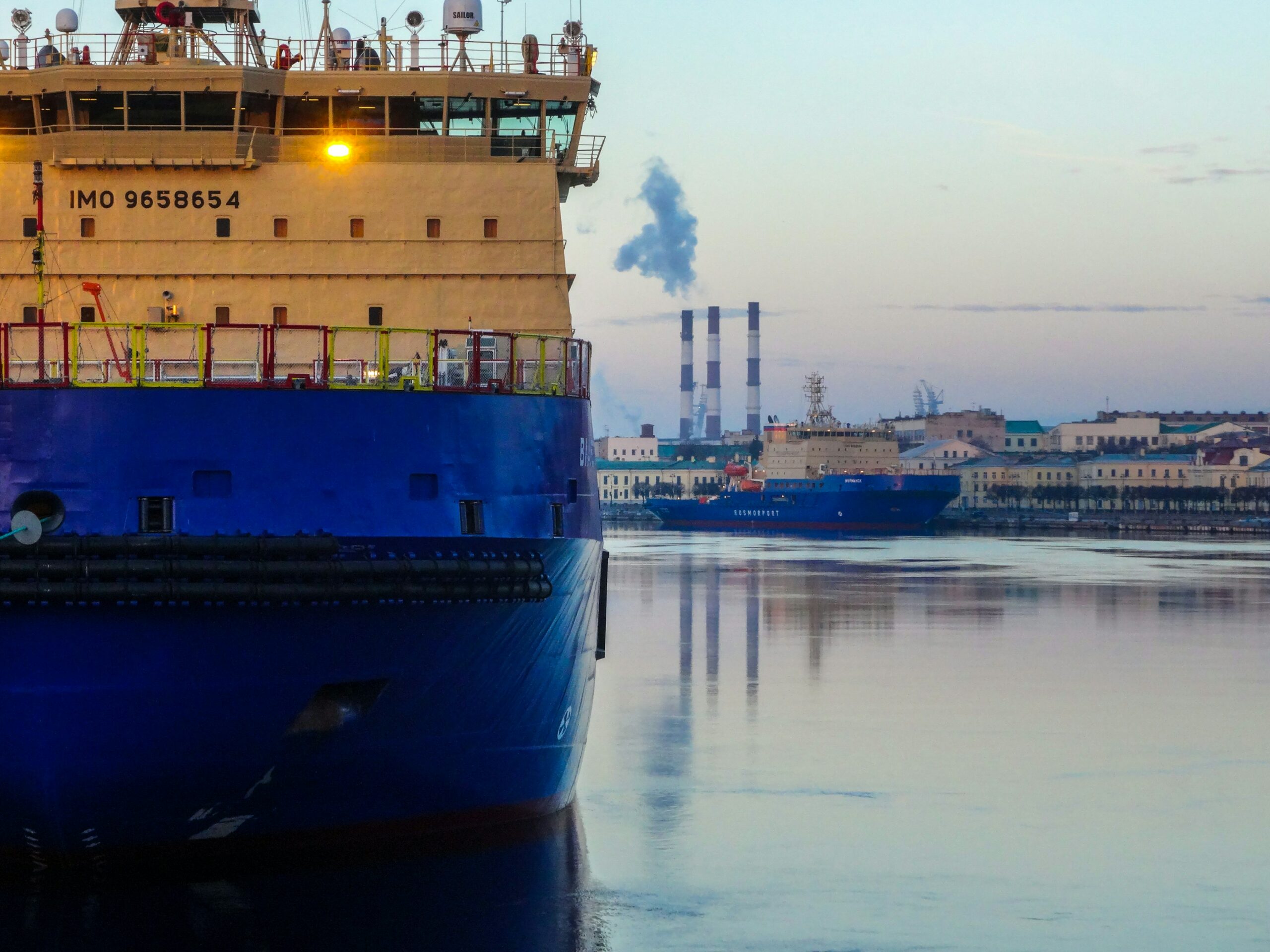
The international maritime sector, a crucial backbone of global commerce, is confronting unprecedented challenges driven by accelerating climate change and increasing regulatory demands to curb emissions. Significant stakeholders are now grappling with how to rapidly transition away from conventional, fossil fuel-dependent operations toward sustainable alternatives while maintaining the efficiency and scale required to transport over 80% of the world’s goods. This transformation mandates huge investments in new technologies, infrastructure overhaul, and policy shifts that will reshape ports, supply chains, and vessel design for decades to come.
The Imperative for Decarbonisation
Shipping is often referred to as the “invisible industry,” yet its environmental footprint is substantial, accounting for nearly 3% of global carbon dioxide emissions. If left unchecked, this contribution could significantly rise as global trade volumes expand. Recognising this threat, the International Maritime Organization (IMO) has set ambitious goals to drastically reduce greenhouse gas emissions by 2050, necessitating a fundamental break from decades of reliance on heavy fuel oil.
This shift presents enormous technical hurdles. Unlike land-based transport, ships require energy density and storage capacity that many current zero-emission fuels cannot provide efficiently or cost-effectively. Key alternative fuels currently under consideration include green ammonia, methanol, and hydrogen, each requiring unique safety protocols, supply infrastructure, and engine modifications.
Navigating the Future Fleet
Major corporations operating the world’s largest fleets are slowly initiating pilot programmes and ordering dual-fuel vessels, but the pace of change remains too slow to meet the mid-century climate targets, according to environmental watchdogs. One of the central debates revolves around “fuel choice uncertainty.” Ship operators are hesitant to commit billions of dollars to new propulsion systems when the global availability and price stability of genuinely sustainable fuels are not yet guaranteed.
This hesitation is creating a potential chasm between regulatory ambition and commercial reality. Investment in shoreside infrastructure—the pipelines, bunkering facilities, and production plants necessary to supply clean fuels at key global ports—lags far behind the planned introduction of green vessels. Experts suggest that coordinated state-level investment and international financial mechanisms are essential to de-risk this transition for private investors.
Port Modernisation and Supply Chain Resilience
The climate challenge extends beyond the ships themselves. Ports, which serve as the indispensable nexus of global trade, require fundamental modernisation. This includes electrifying shoreside operations, adopting automated cargo handling, and preparing berth facilities for new fuels. Crucially, ports must also enhance their resilience against increasingly severe weather events, such as stronger storms and rising sea levels, which can halt operations and cause significant global supply chain disruption.
For consumers, the cumulative effect of these changes will inevitably translate into higher freight costs, at least initially. However, industry analysts highlight that failing to address climate change now will result in far greater economic costs down the line, driven by regulatory penalties and climate-related damage. The long-term efficiency and stability gained from a sustainable shipping network are deemed crucial for ensuring reliable global commerce.
The path forward requires genuine international cooperation, pooling research and development resources to accelerate technological breakthroughs. Furthermore, clear, enforceable global pricing mechanisms for carbon emissions are widely advocated as a tool to incentivise early adoption of cleaner technologies. The global maritime industry is currently at a critical junction, requiring swift, decisive action to ensure it remains the efficient, pivotal channel of global trade while simultaneously mitigating its significant impact on the planet.