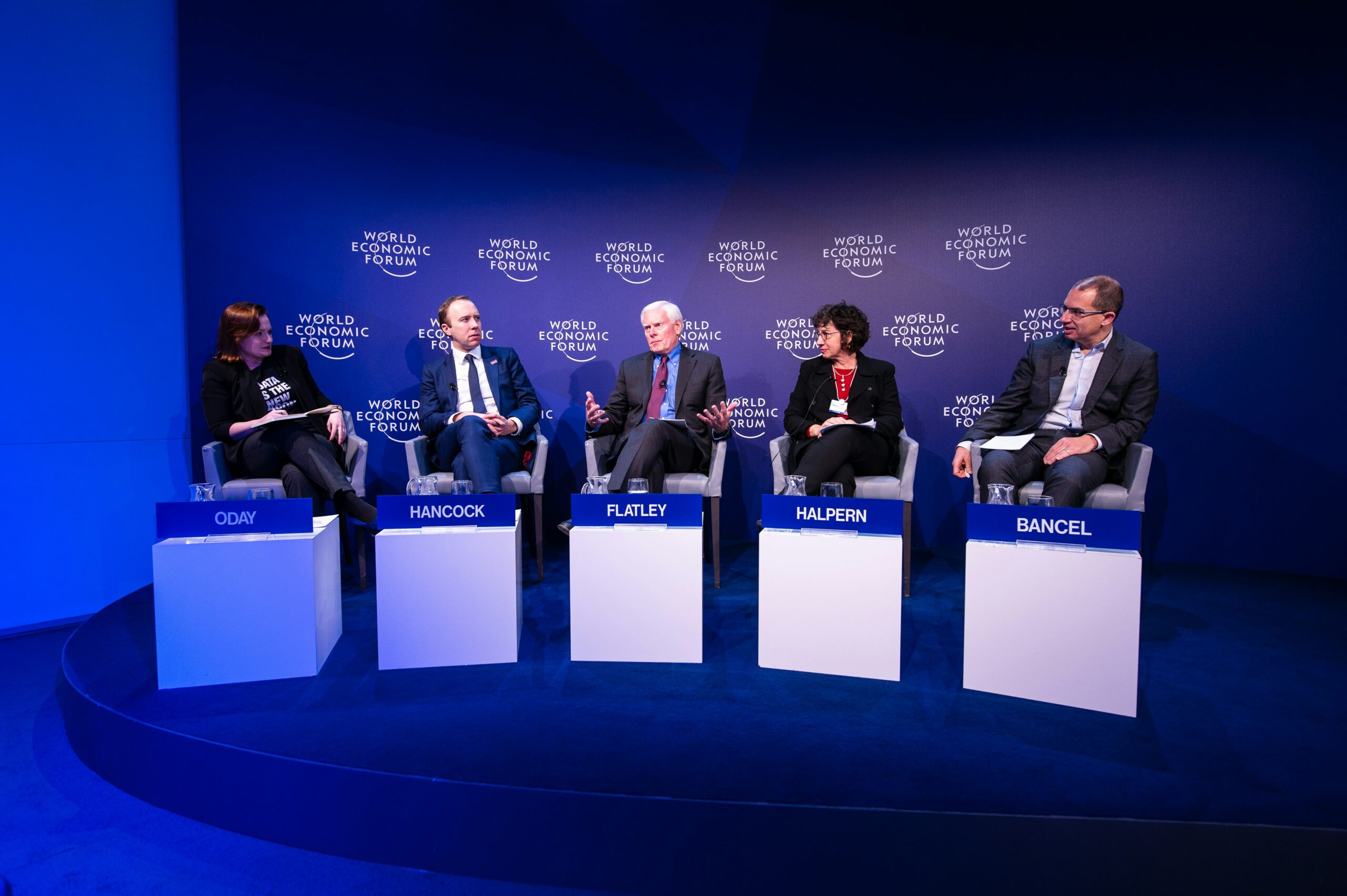
Diplomats and world leaders convened in Seoul this week for a pivotal summit focused on establishing concrete international guidelines and collaborative frameworks to manage the rapidly evolving challenges posed by Artificial Intelligence (AI). Hosted jointly by the United Kingdom and South Korea, the event succeeded the first AI Safety Summit held at Bletchley Park, signalling a renewed push toward unified global AI governance. Discussions centred around balancing innovation and security while addressing risks ranging from deepfakes and autonomous weapons to employment disruption and societal bias.
From Safety Pledges to Practical Implementation
The Seoul summit represents a critical transition point, moving the discussion beyond high-level safety declarations to practical implementation plans. A core focus was the adoption of an “International AI Safety Report,” which consolidates findings and methodologies for risk assessment across diverse technological stages and applications. Participants stressed the need for agility, acknowledging that current regulatory frameworks struggle to keep pace with AI’s exponential development.
One significant outcome was the agreement among nations to prioritize transparency and shared understanding in AI development. This includes establishing globally recognized standards for testing the safety of advanced AI models before they are deployed commercially. Global cooperation is deemed essential because the risks associated with frontier AI, such as novel cyber threats or destabilization from misinformation, inherently transcend national borders.
Bridging the Divide Between Innovation and Regulation
For many governments, the primary challenge remains fostering robust economic growth driven by AI innovation while simultaneously mitigating catastrophic risks. The summit addressed the persistent “global regulatory divide,” where major AI developers operate under varying regional oversight, potentially creating loopholes that could undermine safety efforts.
Participants called for the creation of regional centres of excellence dedicated to AI safety research and capacity building, particularly in developing nations. Such efforts aim to ensure that the benefits of AI are widely shared, preventing a scenario where cutting-edge technology exacerbates existing inequalities.
A key topic of debate involved the roles and responsibilities of major technology companies. While several AI firms voluntarily participated in discussions and pledged commitment to safety principles, governments are increasingly discussing mandatory obligations, particularly concerning the sharing of failure points and vulnerabilities identified during model development.
The Future of International AI Frameworks
The conclusions drawn from the summit outline a path toward a more structured international framework. This approach emphasizes building upon existing international bodies, such as the United Nations and the Organisation for Economic Co-operation and Development (OECD), rather than immediately creating an entirely new entity.
Next steps include formulating working groups focused on specific, high-risk areas, including defining acceptable military applications of AI and establishing protocols for quickly identifying and responding to sophisticated deepfake campaigns during electoral periods.
The consensus reached in Seoul underscores the growing global recognition that AI is not merely a technological matter but a geopolitical one, requiring sustained diplomatic effort. As AI systems become more powerful and integrated into vital global infrastructure, the success of these collaborative governance efforts will dictate the future stability and safety of the interconnected world. The next major discussion forum is anticipated within the coming year, setting the stage for continuous evaluation of global AI protocols.