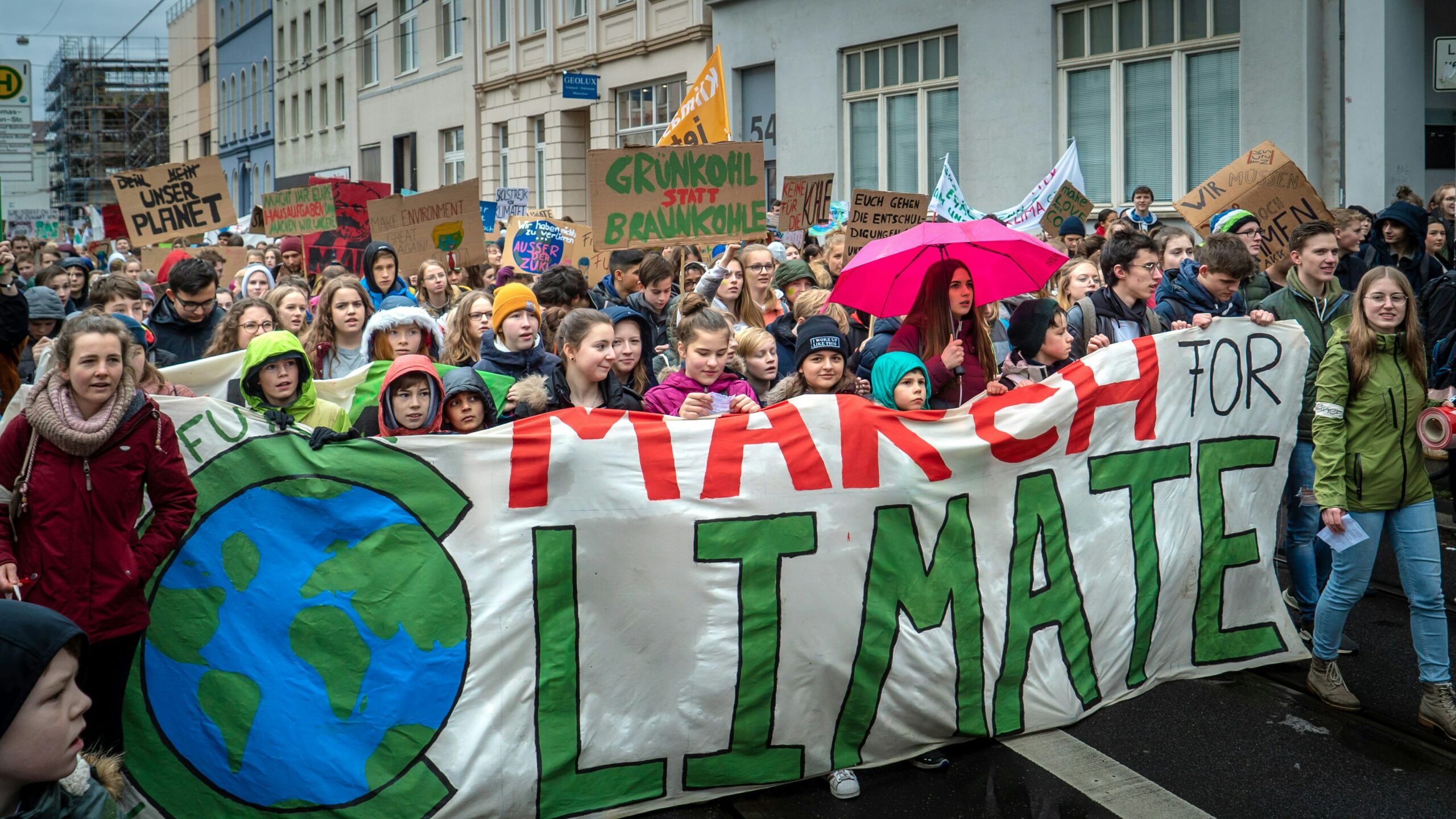
Government officials, scientists, and industry leaders are gathering this week in Bonn, Germany, for the latest round of crucial international climate negotiations aimed at accelerating action ahead of the annual United Nations summit, COP29. The talks, formally known as the Subsidiary Body meetings, focus on refining the global strategy for meeting commitments under the Paris Agreement, particularly the urgent need to slash greenhouse gas emissions and bolster financial support for developing nations struggling with climate impacts. Delegates face mounting pressure to overcome geopolitical tensions and establish a clear, unified path to limit global warming to 1.5 degrees Celsius above pre-industrial levels, a benchmark that scientists warn is rapidly slipping out of reach.
Parsing the Climate Finance Challenge
A central sticking point in the Bonn agenda is climate finance. Wealthier nations have repeatedly fallen short of their collective pledge to mobilise $100 billion annually by 2020 to aid developing countries in their transition to cleaner energy and adaptation efforts. This lack of financial commitment erodes trust and hinders the crucial collaboration required to achieve global climate targets. Discussions this week will centre on establishing a new, significantly higher financial goal—a “New Collective Quantified Goal on Climate Finance” (NCQG)—which negotiators hope will be finalised at COP29 in Azerbaijan later this year. Experts suggest the actual need, driven by infrastructure investment and disaster relief, is likely in the trillions.
“The discrepancy between what is promised and what is delivered is undermining the entire framework,” stated Dr. Anya Sharma, a climate policy analyst observing the talks. “Developing nations need predictable, large-scale funding not just to mitigate their own emissions but simply to survive the increasingly extreme weather that richer nations predominantly caused.”
Closing the Emissions Gap Before 2030
Beyond finance, delegates are scrutinizing the effectiveness of current national climate blueprints, known as Nationally Determined Contributions (NDCs). Current NDCs, even if fully implemented, collectively put the world on track for warming well above the 1.5°C threshold. The focus in Bonn is therefore on developing a framework that compels countries to submit bolder, more comprehensive emission reduction plans by 2025.
Key areas under deliberation include:
- Renewable Energy Deployment: Accelerating the global transition away from fossil fuels and tripling renewable energy capacity by 2030, a goal affirmed at the previous COP.
- Adaptation Planning: Strengthening global mechanisms to help vulnerable communities prepare for and withstand severe climate impacts, such as droughts, sea-level rise, and heatwaves.
- Transparency and Accountability: Improving reporting standards to ensure countries accurately track and verify their progress toward achieving existing targets.
The meeting serves as a vital technical checkpoint, translating high-level political declarations into concrete regulatory language and action plans. Failure to build consensus here will dramatically increase the difficulty of securing landmark agreements in Baku later this year.
Implications for Global Stability
The stakes extend far beyond environmental policy. Climate change is increasingly recognised as a primary driver of global instability, affecting food security, migration patterns, and public health. Successful negotiations are seen as essential for bolstering global security and equitable development.
As the talks continue, the international community is watching for clear signs that major economies are prepared to demonstrate the necessary ambition and political will. The outcomes of the Bonn negotiations will determine whether the world can successfully pivot from aspirational goals to tangible, widespread action required to secure a climate-safe future.