The world stands at a critical juncture, facing a confluence of crises that threaten to push tens of millions into acute food insecurity. From the ongoing conflict in Ukraine to persistent climate change impacts and lingering economic instability, global leaders are desperately seeking unified strategies to avert a humanitarian catastrophe fuelled by skyrocketing commodity prices and disrupted supply chains. Recent assessments underscore the urgency, revealing that regions already struggling with poverty and internal displacement are bearing the heaviest burden, demanding immediate, coordinated action beyond current aid commitments.
Complex Crises Fuel Global Hunger Epidemic
The primary driver behind the escalating global food crisis is a destructive interplay between geopolitical instability and environmental shocks. The war in Ukraine, often referred to as a global breadbasket, continues to severely limit the export of vital agricultural commodities—wheat, maize, and sunflower oil—driving international prices upward and disproportionately impacting low-income, import-reliant nations in Africa and the Middle East.
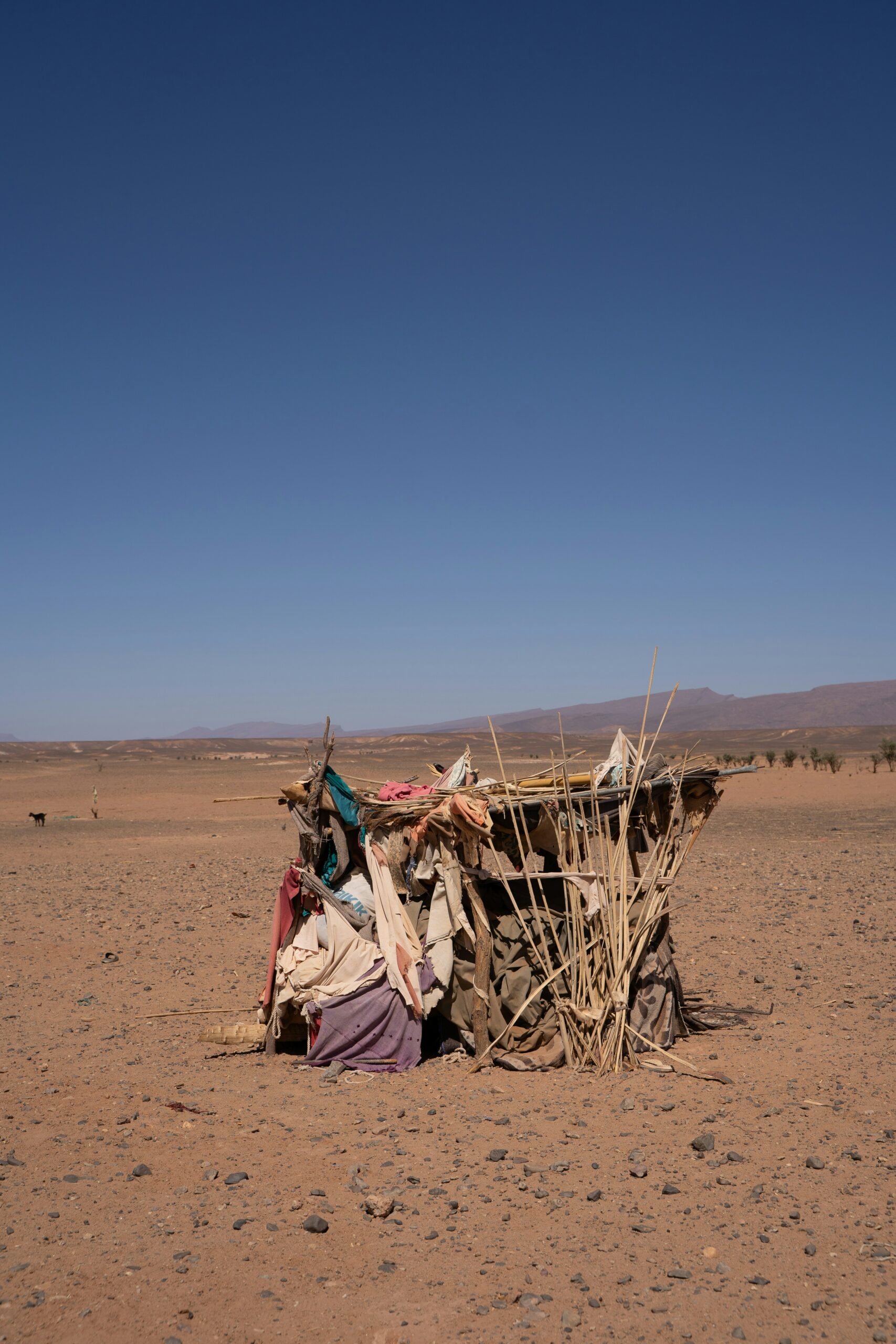
Simultaneously, erratic weather patterns exacerbated by climate change have ravaged harvests across multiple continents. Persistent droughts in the Horn of Africa and South Asia, coupled with extreme flooding in other regions, have decimated livelihoods and depleted strategic grain reserves. This combination of supply shocks coincides with record inflation and the rising cost of energy, making essential inputs like fertilizer unaffordable for smallholder farmers, thereby hindering future production.
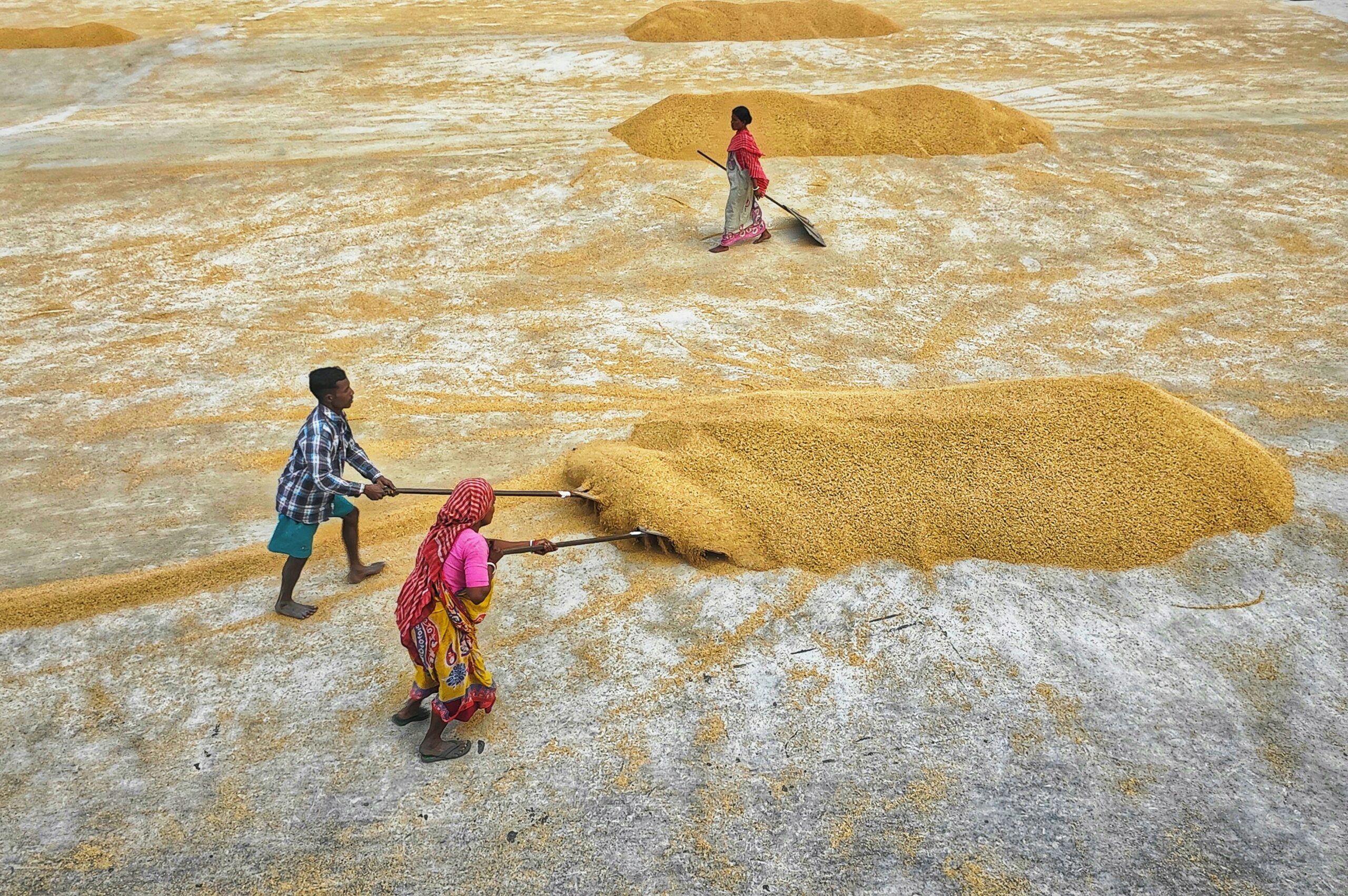
Current data from international humanitarian organisations paint a grim picture: the number of people facing severe hunger has reportedly more than doubled since the start of the Covid-19 pandemic, reaching levels not seen in decades. This crisis is quickly shifting from one of lack of availability in some areas to one of unaffordability globally.
Scaling Up Resilience and Aid Efforts
Experts caution that a piecemeal approach will prove insufficient. Long-term stabilisation requires fundamental shifts in global food systems, focusing on resilience, diversification, and localized solutions.
“We cannot simply treat the symptoms; we must address the systemic vulnerabilities that permit global shocks to metastasise into widespread hunger,” stated Dr. Anya Sharma, a leading economist specialising in global development. “This means investing heavily in climate-resilient agriculture, supporting local food markets, and ensuring social safety nets are robust enough to catch the most vulnerable when prices inevitably spike.”
Key areas requiring immediate attention and investment are paramount for reversing the downward trend:
- Humanitarian Funding: Bridging the significant funding gaps for emergency food aid programmes, particularly in conflict zones and drought-hit areas.
- Trade Facilitation: Establishing and guaranteeing safe corridors for essential grain and fertilizer exports to stabilise futures markets and lower costs.
- Climate Adaptation: Deploying resources for agricultural practices that withstand extreme weather, such as drought-resistant crops and efficient irrigation technologies.
- Debt Relief: Assisting the most fiscally constrained nations to afford critical food imports without sacrificing long-term development investments.
The Broader Implications
The escalating food crisis is not confined to hunger statistics; it carries significant geopolitical and social ramifications. Food insecurity is frequently a precursor to civil unrest, mass migration, and destabilisation in fragile states. Ensuring global food security is therefore synonymous with securing greater political stability and reducing potential conflict.
International governance bodies, including the United Nations and the World Bank, are urging coordinated multilateral action. While short-term aid remains essential, the focus must immediately pivot to building sustainable local food systems that can withstand future global shocks. Failure to act decisively now risks cementing an era of widespread famine, reversing decades of progress in combating poverty and inequality worldwide. Addressing this profound challenge requires unprecedented international political will and sustainable financial commitments to safeguard the future for vulnerable populations across the globe.