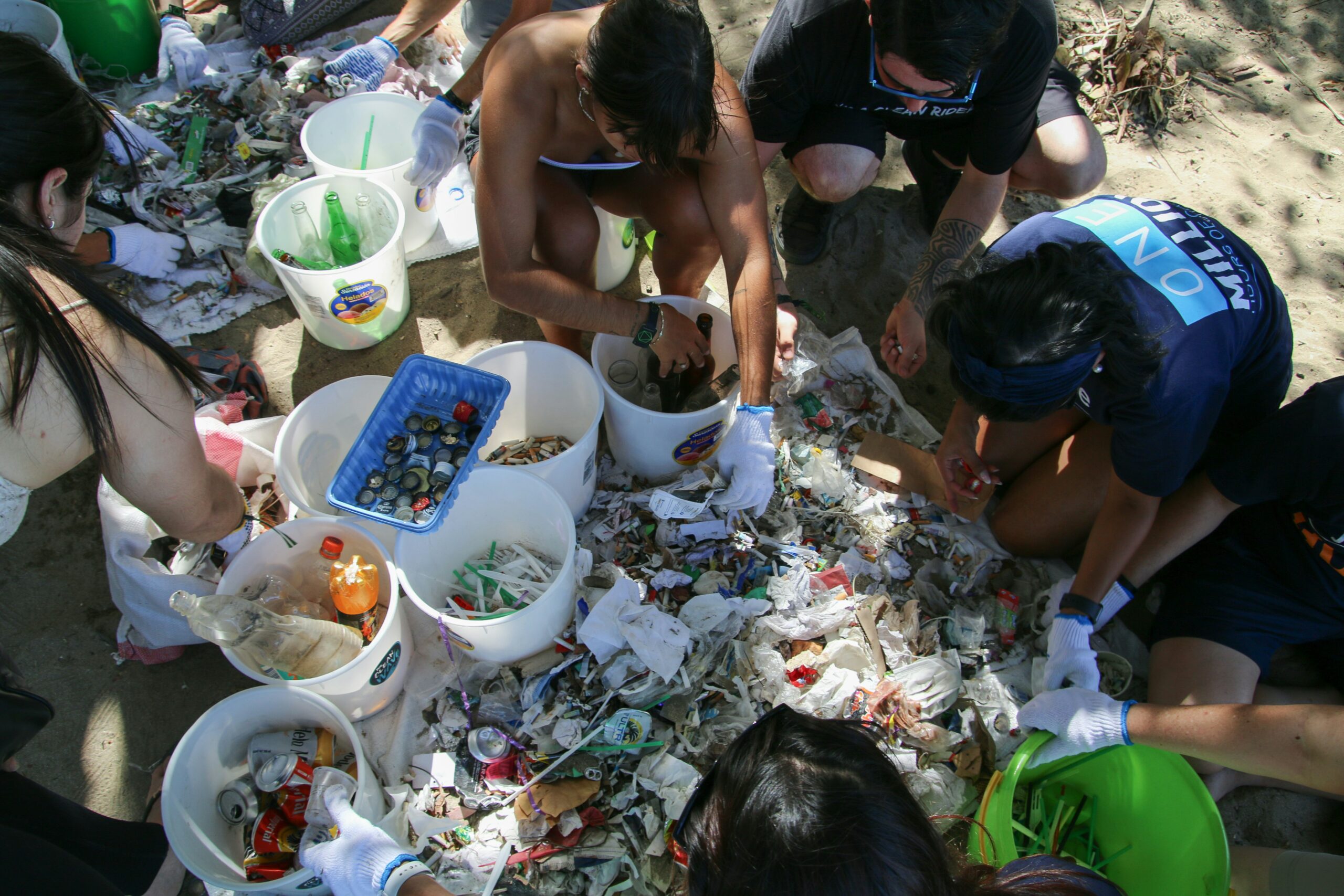
Governments, industry giants, and environmental advocates are embarking on an unprecedented global effort to drastically reduce plastic pollution, addressing the crisis from material production to waste management. The initiative, announced this week at a forum focused on sustainable development, centers on creating a legally binding international framework coupled with immediate, voluntary industry actions intended to curb the estimated eight million tonnes of plastic entering the oceans annually. Experts warn that without immediate, coordinated intervention, the volume of plastic waste is projected to triple by 2060, posing severe threats to ecosystems, human health, and the global economy.
The Twin Pillars of International Action
The backbone of this renewed effort is the ongoing negotiation of a Global Plastics Treaty under the auspices of the United Nations Environment Programme (UNEP). This treaty is designed to establish universal standards for the entire plastic lifecycle, moving beyond simply managing existing waste to tackling “upstream” issues like virgin plastic production and challenging problematic single-use items.
Dr. Anya Sharma, a leading environmental negotiations expert involved in the talks, stated that success hinges on accountability. “We need a common rulebook,” she explains. “Voluntary commitments alone haven’t stemmed the tide. This treaty must introduce mandatory reporting, standardized labeling, and clear targets for national plastic reduction action plans.”
Parallel to the treaty, several major multinational corporations—including Coca-Cola, Unilever, and PepsiCo—have renewed commitments to increasing the use of recycled content in packaging and expanding refill and reuse systems. This industry-led push aims to demonstrate scalable operational changes immediately, even as political agreements are finalized.
Innovation and Infrastructure Gaps
A critical barrier to meaningful progress is the global disparity in waste management infrastructure. While many developed nations prioritize advanced recycling technologies, nearly half of the world’s population lacks access to reliable waste collection services. This gap underscores the need for substantial financial investment and technology transfer to developing nations.
The new initiative proposes funneling hundreds of millions of dollars into Extended Producer Responsibility (EPR) schemes in emerging economies. EPR policies shift the financial and physical burden of managing post-consumer products from local municipalities to the manufacturers who introduce those products to the market.
Key Actionable Steps for Consumers and Businesses
For businesses, the shift demands innovation in material science—prioritizing truly circular alternatives and redesigning products for longevity and easy recycling. For consumers, the message focuses on mindful consumption and participation in emerging reuse models.
- Prioritize Reuse: Opt for refillable containers for common goods like toiletries, cleaning products, and beverages.
- Support Policy: Encourage local and national representatives to back ambitious treaty targets and robust domestic recycling infrastructure investments.
- Demand Transparency: Hold brands accountable for meeting their sustainability targets and choosing sustainable packaging alternatives.
The Road Ahead
Although the sheer scale of the plastic pollution problem is daunting, this joint global undertaking signals a significant turning point, recognizing that fragmented national efforts are insufficient. The next major milestone—the finalization of the UN Plastic Treaty—is expected within the next 18 months. Success will redefine global manufacturing practices, safeguard marine biodiversity, and ultimately contribute to a more sustainable planetary health trajectory. Achieving these ambitious goals requires sustained political will, corporate investment, and fundamental changes in consumer behaviour worldwide.