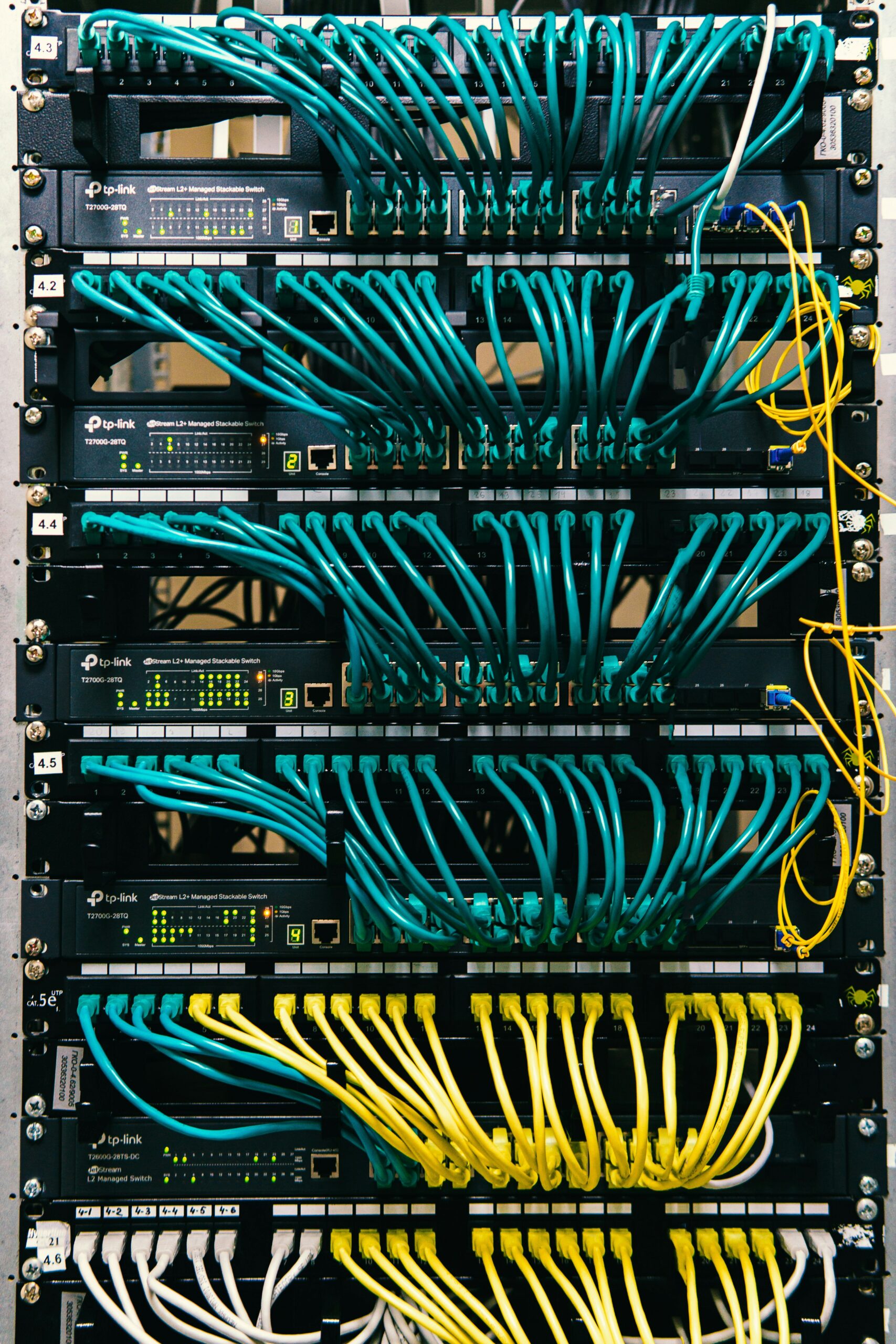
The world is quickly running out of available Internet Protocol version 4 (IPv4) addresses, prompting a critical global push toward adopting the next-generation addressing standard, IPv6. While this shift has been gradual, experts warn that the complete depletion of the legacy IPv4 system necessitates immediate action from internet service providers, governments, and businesses to ensure continuous connectivity and prepare for the demands of the modern digital landscape.
A Scarcity Crisis in Digital Addressing
Every device connected to the internet—from smartphones to servers—requires a unique numeric label, or IP address, to communicate. IPv4, introduced in the 1980s, offered approximately 4.3 billion unique addresses. While this number seemed vast at the time, the explosion of personalized and networked devices (the Internet of Things, or IoT) has rapidly consumed this finite resource. Regional registries responsible for allocating these addresses have for several years operated on emergency reserves, fundamentally running out of new blocks to distribute freely.
This scarcity creates substantial logistical and economic hurdles. Businesses launching new online services often face high costs to acquire repurposed or leased IPv4 addresses, which are traded on a diminishing secondary market. This system, known as Network Address Translation (NAT)—where multiple devices share a single public IPv4 address—is often used to mask the shortage, but degrades performance, complicates peer-to-peer connectivity, and is increasingly unsustainable as the number of online devices proliferates.
The Imperative for Transition to IPv6
The solution lies in Internet Protocol version 6 (IPv6), which was designed explicitly to address the shortcomings of its predecessor. Unlike IPv4’s 32-bit structure, IPv6 uses a 128-bit structure, providing an astronomically larger pool of addresses—enough to assign billions of unique addresses to every person on Earth, practically eliminating the threat of scarcity.
“The move to IPv6 is not merely an technical upgrade; it’s essential infrastructure planning for the next fifty years of the internet,” explains Dr. Lena Chen, a chief network architect specializing in internet governance. “Nations that delay this transition risk slower network speeds, complex maintenance, and an inability to fully participate in emerging digital ecosystems that rely on ubiquitous addressing, like smart cities and advanced IoT networks.”
Governments and large technology firms, recognizing these risks, have already made significant strides. For instance, major mobile networks and content delivery networks have reached high deployment rates for IPv6, allowing customers accessing their services to use the newer protocol. However, progress remains uneven globally. Smaller networks and legacy internal systems, especially those in developing economies or older corporate infrastructures, often lag behind due to the perceived complexity and cost of the transition.
How Stakeholders Must Respond Now
The process of transitioning requires networks to operate in a dual-stack environment, supporting both protocols simultaneously until legacy systems are retired. This approach ensures continuity and minimizes disruption for end-users.
For organizations and policymakers, the focus should be on mandatory implementation deadlines and educational initiatives. Key actions include:
- Auditing Infrastructure: Determining which hardware, operating systems, and applications are not yet IPv6-compatible.
- Prioritizing Procurement: Ensuring all new network equipment purchases support IPv6 by default.
- Mandating Standards: Requiring internet service providers (ISPs) and cloud services to offer IPv6 connectivity to all new clients.
Failure to fully adopt IPv6 threatens to create a fragmented internet, where seamless global connectivity is compromised and costs associated with maintaining the outdated IPv4 system continue to grow. The long-term scalability and security of the digital world rely heavily on closing the chapter on IPv4 exhaustion and embracing the virtually limitless capacity of IPv6.